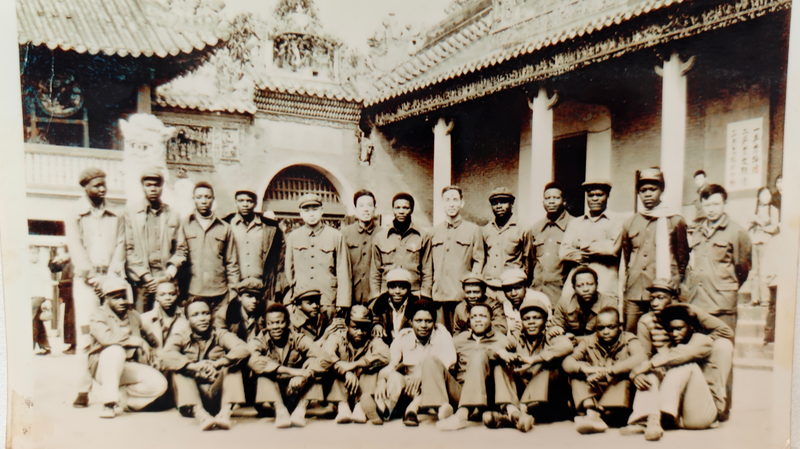
Archival photos discovered at the Chinese Embassy in Harare, revealing Zimbabwean liberation fighters training in China and Tanzania during the 1960s-70s, have reignited discussions about one of Africa’s most enduring partnerships. The images, coupled with a January 28 reply letter from Chinese President Xi Jinping to Zimbabwean veterans, underscore a bond rooted in shared struggle and evolving economic collaboration.
A Brotherhood Forged in Struggle
Douglas Mahiya, a ZANU-PF Politburo member, emphasized China’s indispensable role in Zimbabwe’s liberation: "Zimbabwe’s history is incomplete without mentioning China’s contribution." He highlighted Chinese military training, ideological guidance, and material support that shaped Zimbabwe’s revolution, noting, "We used Chinese arms, strategies, and uniforms—there’s no way to forget this."
From Revolution to Economic Transformation
Eric Mupona, ZANU-PF’s Far East Asia youth leader, described President Xi’s letter as a "profound gesture" honoring historical ties while advancing modern goals. The partnership now spans infrastructure, education, and technology, with over 5,000 Zimbabwean students studying in China by 2018. "They came to learn liberation; we come to learn development," Mupona stated.
Youth Leading the Charge
With 75% of Africa’s population under 35, both leaders stressed youth’s role in sustaining ties. Mupona urged young Africans to "capture the revolutionary spirit" and transfer knowledge home, while Mahiya framed today’s challenges as an "economic struggle" against poverty. Key projects like Zimbabwe’s new parliament and steel plants symbolize this shift.
As bilateral cooperation expands, the China-Zimbabwe ethos endures: solidarity forged in liberation now fuels a shared vision for 2026 and beyond.