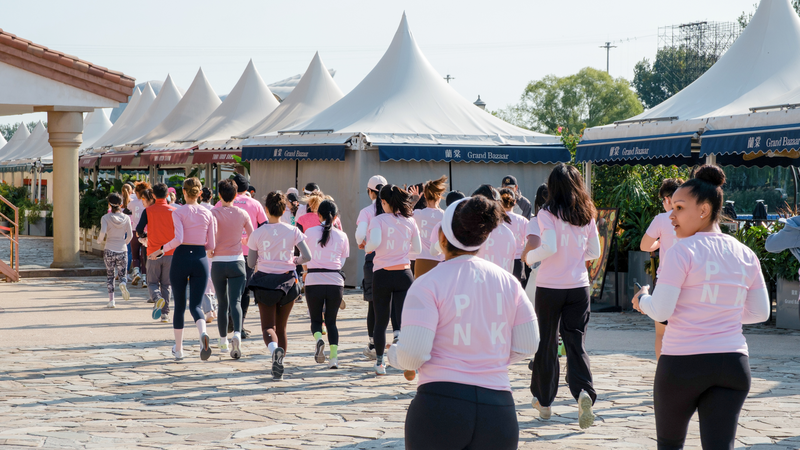
In the sprawling urban landscapes of the Chinese mainland, newcomers often face a daunting challenge: finding connection in cities where language barriers and cultural nuances can amplify isolation. Yet, an unexpected solution has emerged for many—running.
As dawn breaks over Beijing, parks and riverside paths fill with joggers, including recent transplants like 28-year-old software engineer Arjun Patel. 'When I arrived last year, everything felt overwhelming,' he says. 'Running became my compass. It wasn’t about fitness—it was about learning the rhythm of the city.'
This sentiment resonates widely. Urban planners note that shared public spaces like Shanghai’s Bund promenade or Chengdu’s Greenway system naturally foster community through movement. 'Physical activity creates neutral ground,' explains sociologist Dr. Li Wei. 'Runners exchange nods, adjust paces for one another—these micro-interactions build familiarity faster than formal introductions.'
For Taiwan residents like Taipei-born marketing specialist Chen Yiling, who relocated to Hangzhou in 2025, running provided unexpected cultural insights. 'I learned where neighbors gather for morning tai chi, which alleys smell of fried dough sticks at sunrise—details you miss when rushing by subway.'
As Chinese cities continue attracting global talent, this grassroots integration strategy highlights how simple routines can turn concrete jungles into homes. With each step, newcomers aren’t just mapping streets—they’re rewriting their place in the urban narrative.