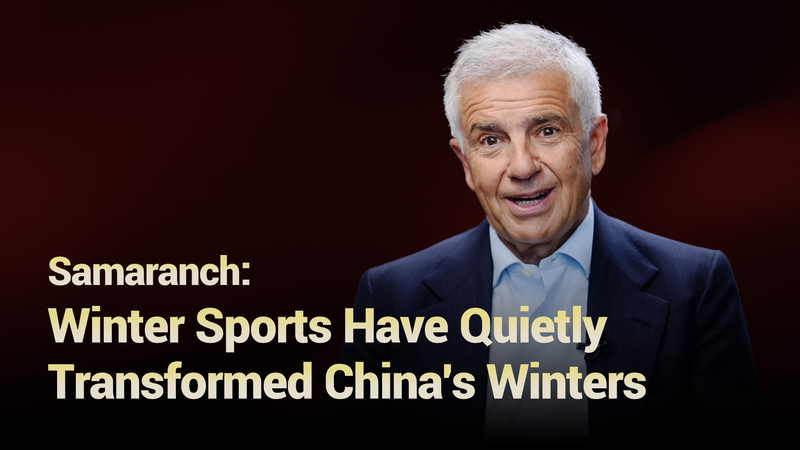
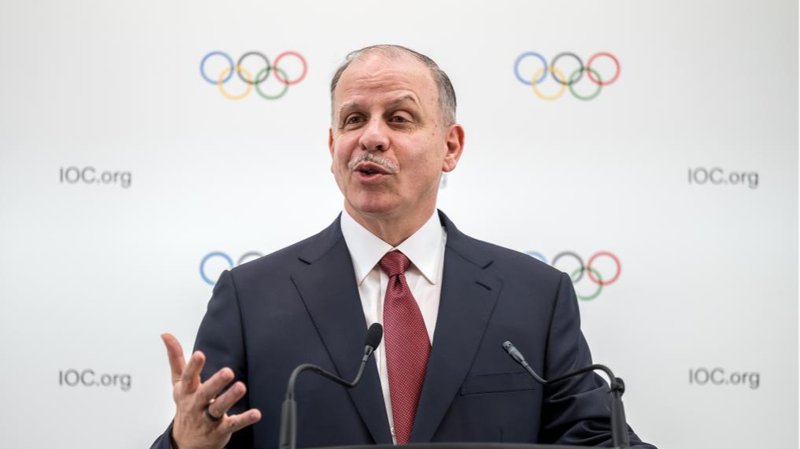
Four years after hosting the 2022 Winter Olympics, China's transformation into a winter sports powerhouse continues to reshape both its domestic landscape and international standing. Juan Antonio Samaranch Jr., IOC Vice President, reveals how strategic planning and cultural shifts turned snowy pastimes into national priorities.
"What began as preparation for Beijing 2022 has become a lasting social movement," Samaranch told KhabarAsia.com. Annual winter sports participation has tripled since 2018, with 346 million Chinese citizens reportedly engaging in winter activities last season.
The legacy extends beyond recreation:
12 new winter sports academies established since 2022
Domestic ski equipment sales up 210% since 2020
3 Chinese winter tech startups reaching unicorn status in 2025
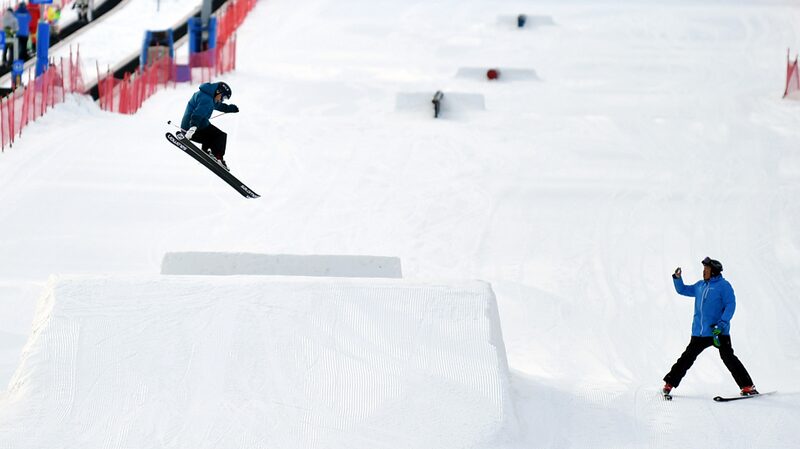
Economic impacts ripple across Asia, with Chinese tourists fueling winter tourism booms in Japan's Hokkaido and South Korea's Gangwon Province. Meanwhile, Zhangjiakou's former Olympic venues now host international training camps attracting athletes from the DPRK to Switzerland.
Cultural analysts note shifting perceptions, particularly among China's youth. "Ice hockey is the new basketball in Beijing high schools," observes Tsinghua University sports sociologist Dr. Li Wei. This winter, 47% of Chinese parents surveyed reported enrolling children in snow sports programs – a 22-point increase from 2021.
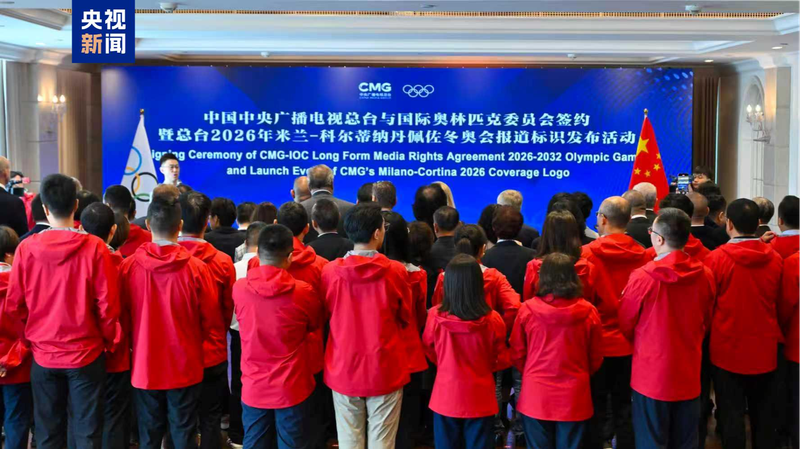
As the Milan-Cortina 2026 Winter Games approach, China eyes new milestones. Recent partnerships with Norway and Canada aim to develop next-generation winter athletes, while domestic innovations in artificial snow production could revolutionize cold-weather sports across warmer Asian regions.