From AI Dominance to Space Ambitions: China's Strategic Leap
As the world enters 2026, China's technological transformation under Vision 2030 continues to redefine global innovation paradigms. The country's 10th-place ranking in the 2025 Global Innovation Index – its highest position yet – underscores its growing influence across critical sectors.
AI Leadership and Industrial Integration
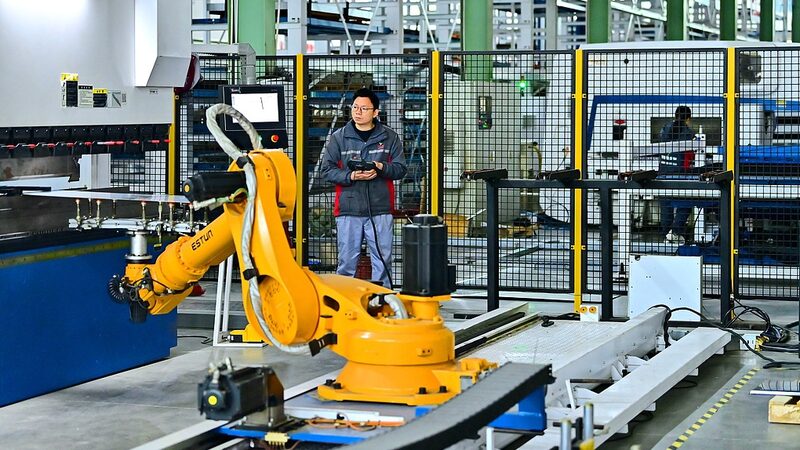
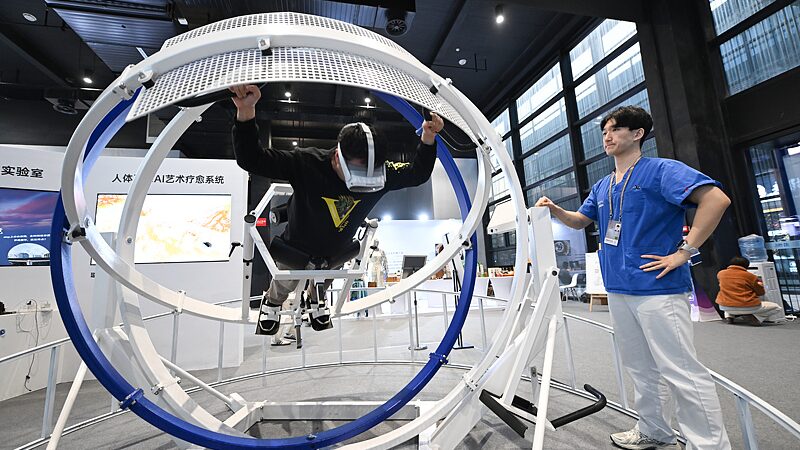
With over 200 domestic large AI models now operational, Chinese enterprises are implementing artificial intelligence across manufacturing, healthcare, and urban management systems. The 'AI+' initiative has driven integration with smart infrastructure, supported by a core AI industry valued at $142 billion in 2025.
Orbital Infrastructure and Global Collaboration
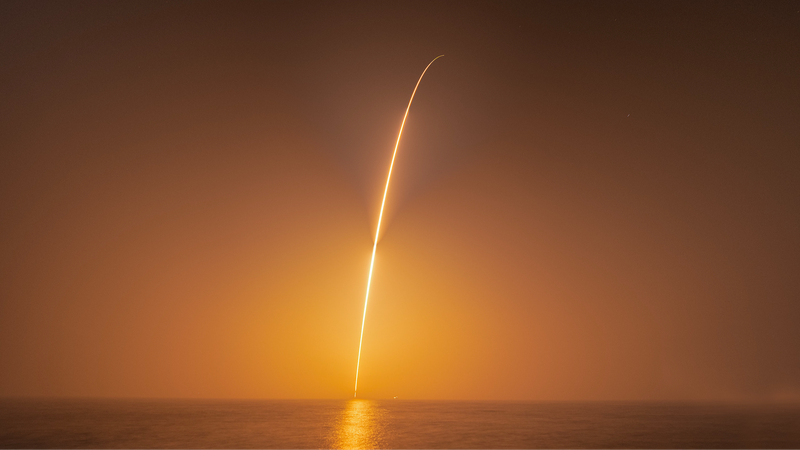
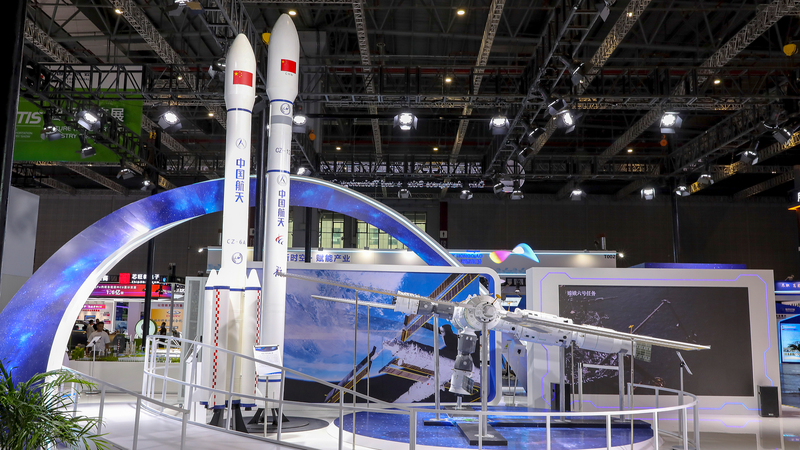
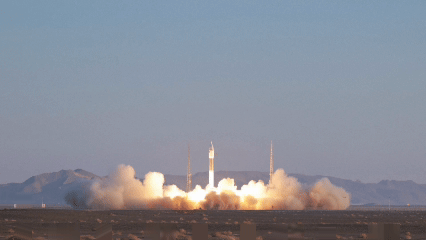
China's commercial space program reaches new heights with plans for a 203,000-satellite constellation by 2030. Recent Long March rocket launches from Hainan Province demonstrate growing capabilities in satellite deployment, potentially enabling a $170 billion space industry chain.
Governance and International Partnerships
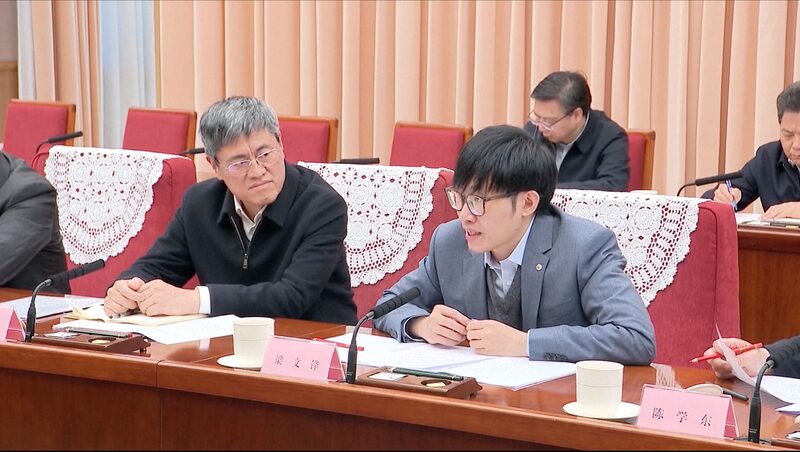
Building on President Xi Jinping's 2023 Global AI Governance Initiative, China released the Global AI Governance Action Plan in July 2025. This framework promotes multilateral cooperation in AI ethics and security, with 78 countries and organizations currently participating in related dialogues.
Investing in Tomorrow's Innovations
State-backed R&D investment hit $154 billion in 2025, fueling advancements in quantum computing and clean energy. Upcoming scientific missions including the Tianwen-2 asteroid sampling project and Chang'e-7 lunar water exploration highlight China's expanding fundamental research capabilities.
As global challenges like climate change intensify, China's technological roadmap positions it as a crucial partner in developing cross-border solutions through open innovation and strategic international cooperation.