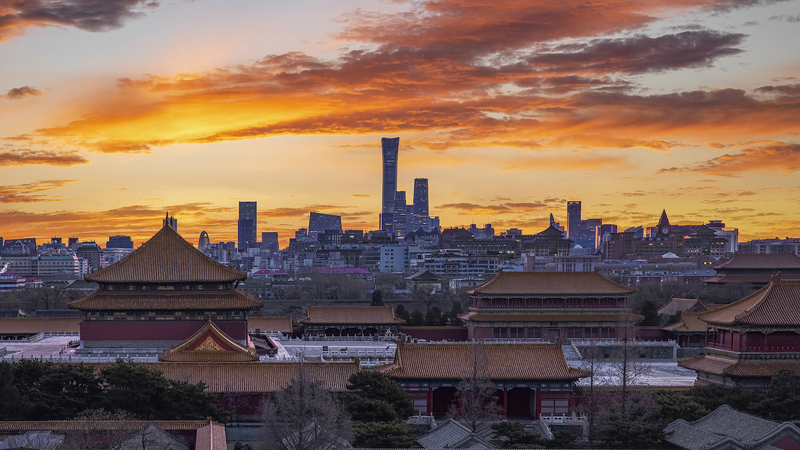
The Chinese mainland has taken a decisive step toward regional integration with the recent approval of a comprehensive spatial coordination plan for the Beijing-Tianjin-Hebei metropolitan area. The blueprint, valid through 2035, aims to optimize resource allocation and strengthen economic synergies across northern China's key development zone.
Strategic Urban-Cluster Development
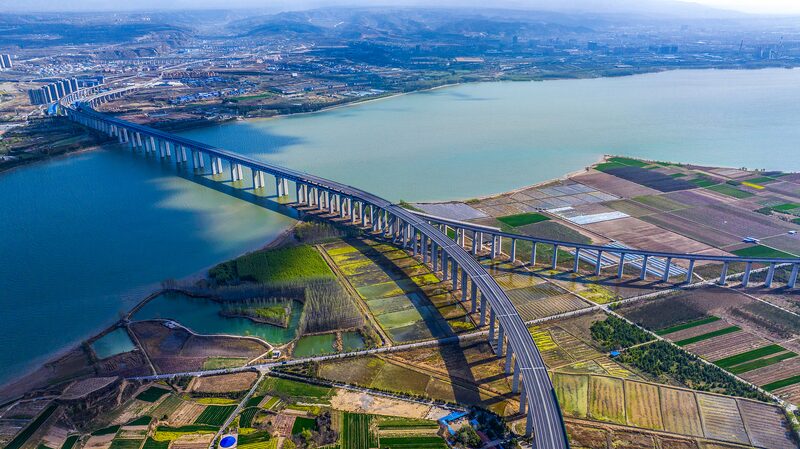
Approved by the Communist Party of China Central Committee and the State Council, the plan establishes new mechanisms for cross-jurisdictional coordination in transportation networks, industrial layout, and ecological protection. Key infrastructure projects include high-speed rail expansions and smart logistics hubs designed to reduce intercity commute times by 25% by 2030.
Innovation-Driven Growth Model
The strategy prioritizes Beijing's role as a scientific innovation hub while expanding Tianjin's advanced manufacturing capabilities and enhancing Hebei's green industries. A government spokesperson stated: "This three-pronged approach will create Asia's next innovation corridor while addressing regional development imbalances."
Sustainability Commitments
Environmental safeguards form a core component, with 30% of the metropolitan area designated as ecological conservation space. The plan introduces strict air quality management protocols and mandates renewable energy adoption for all new industrial parks.