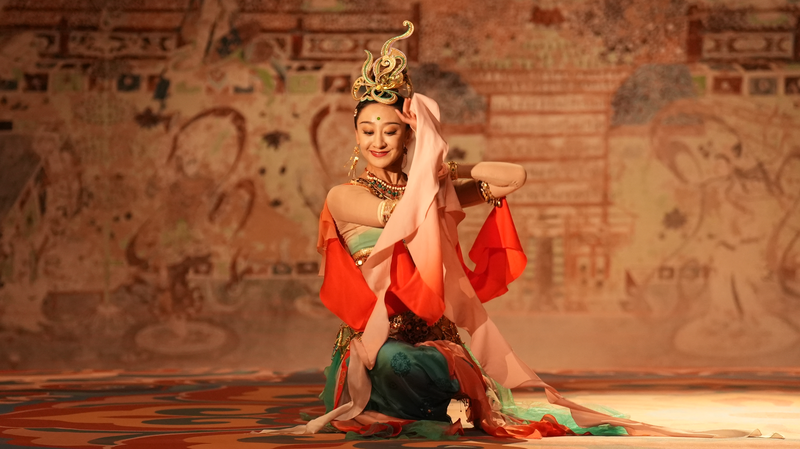
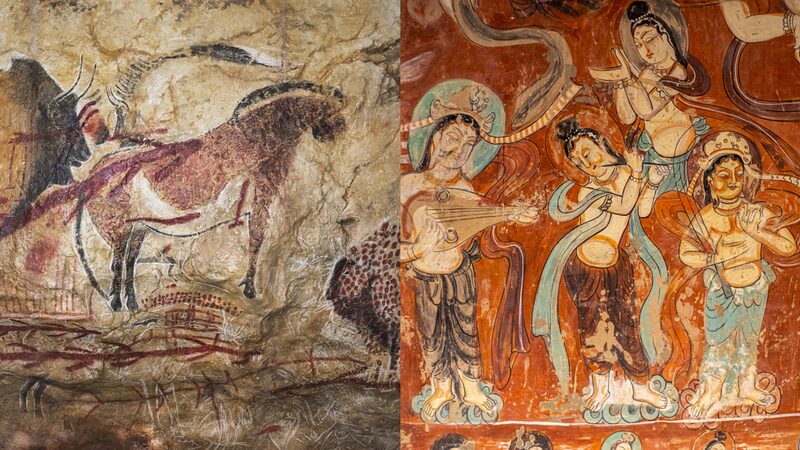
In the heart of Dunhuang, a historic hub along the Silk Road, the Huxuan dance – a vibrant symbol of cultural fusion – is experiencing a renaissance. Once immortalized in the Mogao Caves’ 1,000-year-old murals, this whirling dance form is now being reimagined for contemporary audiences, bridging ancient artistry with modern performance.
A Living Archive of Exchange
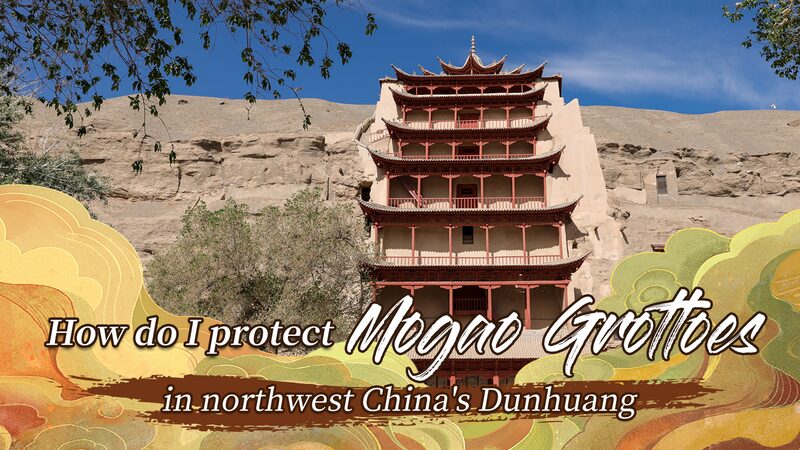
The Mogao Caves, a UNESCO World Heritage site, preserve not just Buddhist narratives but also the social fabric of eras shaped by Silk Road exchanges. Central to this legacy is the Huxuan dance, introduced during the Tang Dynasty (618-907) through interactions with Central Asia. Characterized by rapid spins and flowing silks, it epitomized the Tang era’s openness to cross-cultural dialogue.
Threads of Tradition Reborn
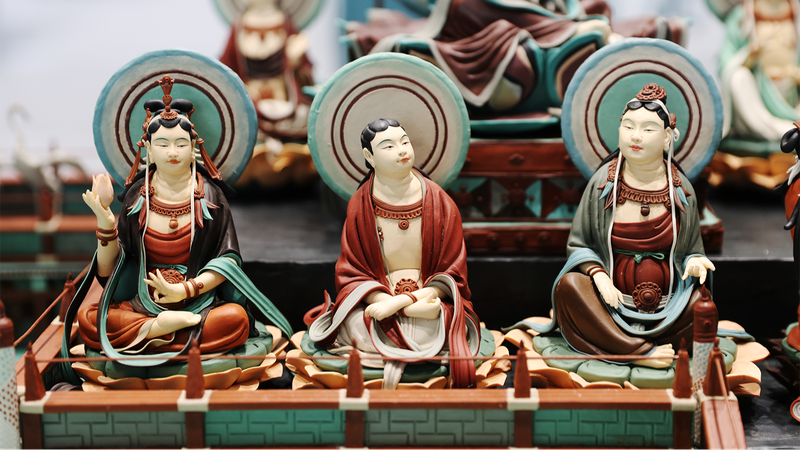
Today’s performers meticulously replicate mural-inspired costumes using Dunhuang’s signature pigments: burnt red, stone green, and lapis lazuli blue. Dancers weave silk-adorned choreography that mirrors the cave paintings’ dynamism, transforming historical motifs into kinetic storytelling. "Every spin honors the artists who painted these movements centuries ago," notes a lead performer from a recent production.
Silk Road Resonance in 2026
As global interest in cultural preservation grows, the Huxuan dance’s revival underscores Asia’s enduring role as a crossroads of creativity. For scholars, it offers fresh insights into Tang-era aesthetics; for audiences worldwide, it provides a tangible link to the Silk Road’s shared heritage.