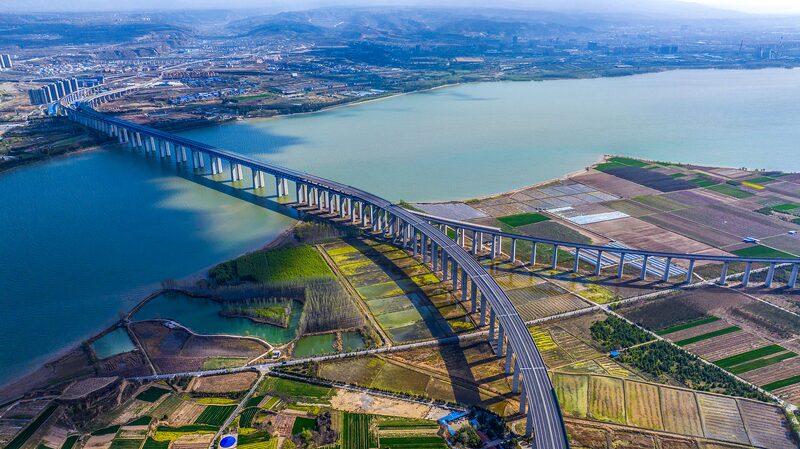
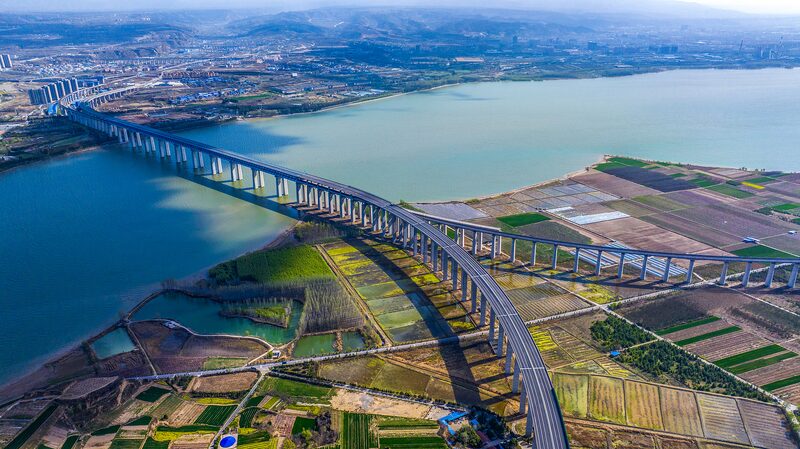
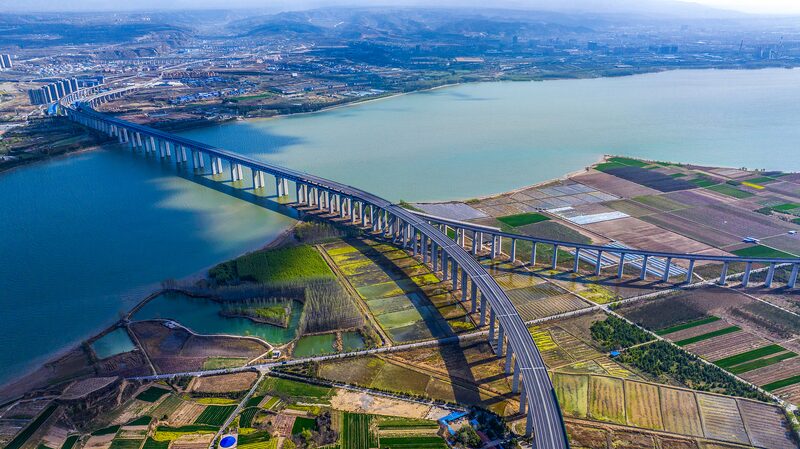
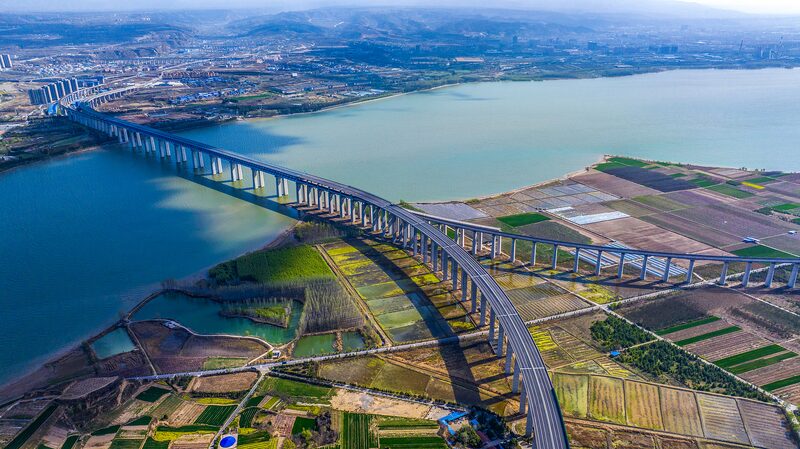
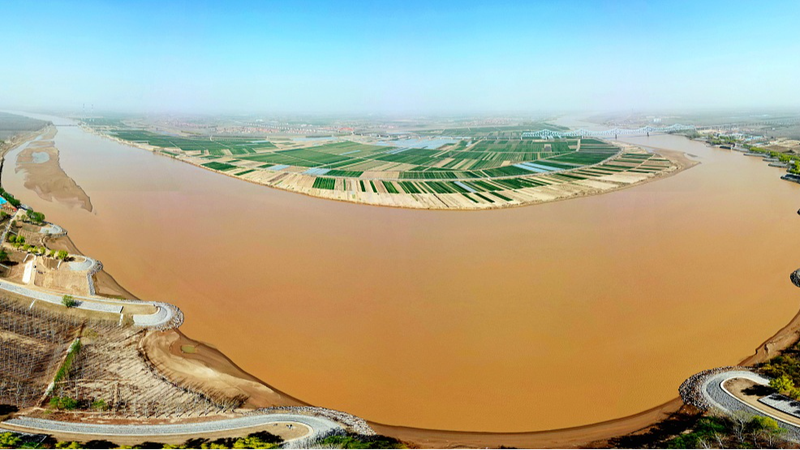
As the world marks the 30th World Wetlands Day on February 2, 2026, the Chinese mainland is spotlighting its efforts to integrate traditional ecological knowledge with modern conservation strategies under this year’s theme: "Wetlands and traditional knowledge: Celebrating cultural heritage."
Bridging Past and Present
Wetlands in Asia, from the Yangtze River Basin to coastal mangroves, have long served as hubs for sustainable farming, fishing, and water management practices. These ecosystems are now at the heart of China’s updated conservation action plan, which emphasizes preserving both biodiversity and intangible cultural heritage tied to these landscapes.
Traditional Wisdom in Modern Policy
Communities near wetlands have historically developed resource management systems that align with natural cycles. In 2026, China is scaling up initiatives to document and apply these practices, such as ancient rice-fish co-culture techniques, to combat modern challenges like soil degradation and habitat loss.
Global Implications
With over 60% of global wetlands lost since 1900, China’s focus on ecological corridors and community-led restoration offers a model for Asia. Recent projects in Jiangsu and Yunnan provinces have revived migratory bird habitats while supporting eco-tourism—a balance resonating with the UN’s Sustainable Development Goals.