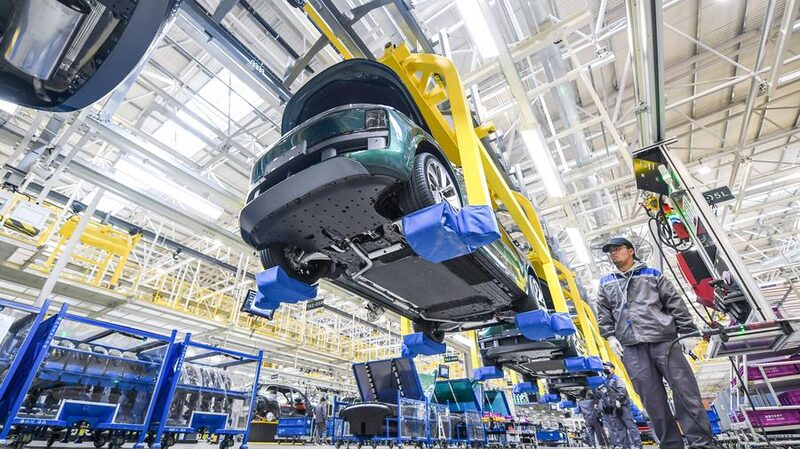
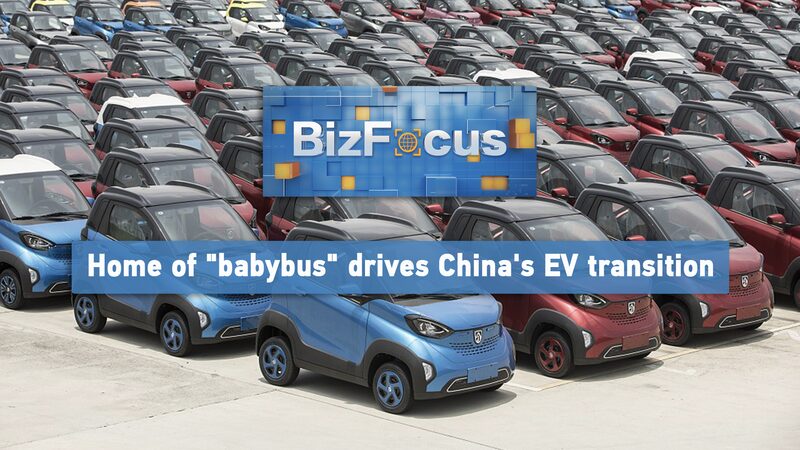
On the streets of Montevideo, a quiet revolution in sustainable transportation is unfolding. Chinese-made electric buses and passenger vehicles now dominate Uruguay's roads, marking a pivotal shift in the South American nation's green transition. With one in three new cars sold in 2025 being Chinese new energy vehicles (NEVs), this partnership is redefining urban mobility while advancing climate goals.
"Chinese NEVs combine cutting-edge technology with affordability," explained Ignacio Paz of Uruguay's Automobile Trade Association, noting that brands like BYD and MG drove an 8% surge in total vehicle sales last year. The trend aligns with Uruguay's renewable energy leadership—97% of its electricity comes from wind, hydro, and solar sources—creating an ideal ecosystem for electric mobility.
Government incentives introduced in 2025 accelerated adoption through tax exemptions and charging infrastructure expansion. Ride-hailing driver Miguel Martínez exemplifies the economic benefits: "My monthly fuel costs dropped from $350 to $100 after switching to an electric car."
As Uruguayan President Yamandú Orsi begins his first state visit to China today, both nations aim to deepen collaboration. "China's solar technology can complement our renewable matrix," Orsi stated, highlighting potential partnerships in photovoltaics and green industrial chains.
With over 200 Chinese electric buses already operational and solar projects on the horizon, this comprehensive strategic partnership—established in 2023—demonstrates how climate cooperation can drive both economic growth and sustainable development.