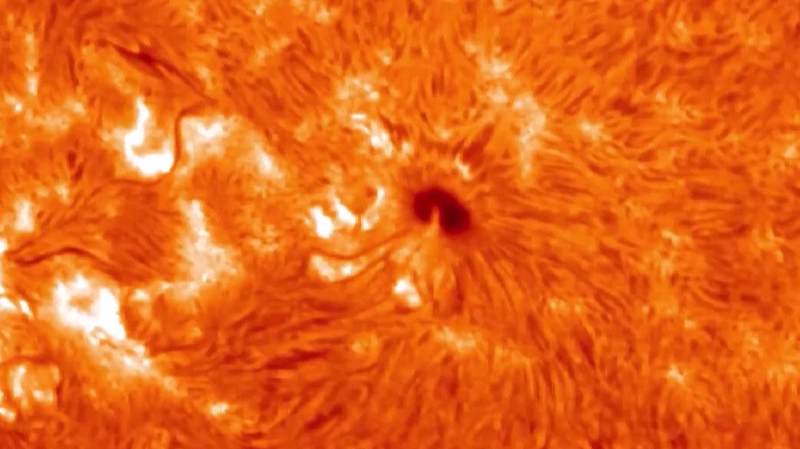
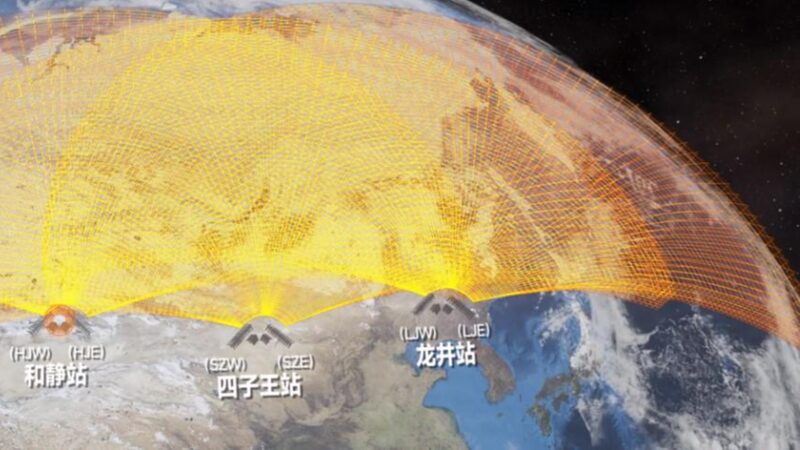
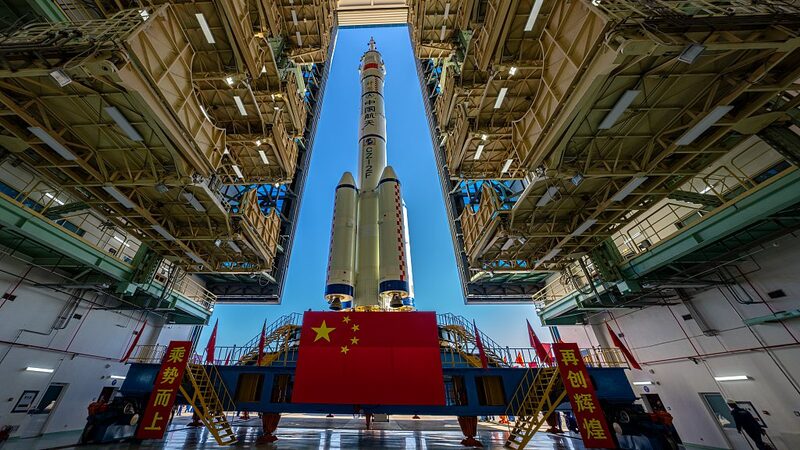
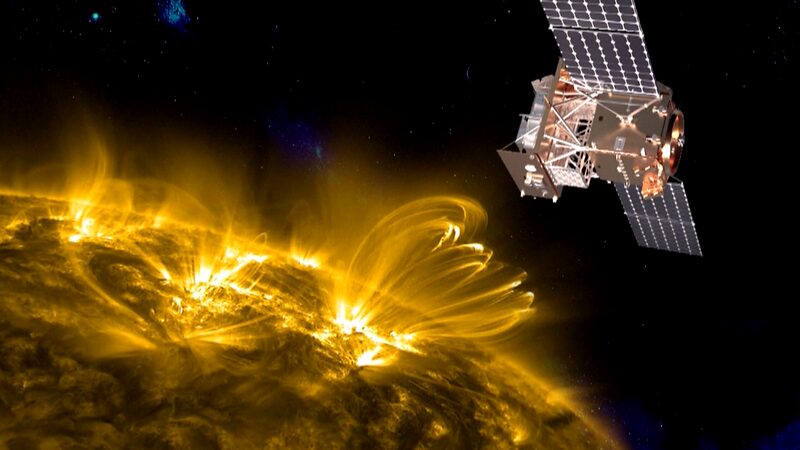
China is poised to make space exploration history this decade with its planned 2028-2029 launch of Xihe-2, the world's first solar probe destined for the Sun-Earth L5 Lagrange point. This ambitious mission promises to revolutionize our understanding of solar activity and improve space weather forecasting capabilities critical for Earth's technological infrastructure.
A New Frontier in Solar Observation
Developed through collaboration between Nanjing University, the China Meteorological Administration, and the Shanghai Academy of Spaceflight Technology, Xihe-2 will conduct high-precision magnetic field measurements and three-dimensional analysis of solar eruptions. Professor Fang Cheng, a lead designer, emphasizes the probe's unique capacity to monitor space weather events like solar flares 4-5 days earlier than current systems.
Strategic Positioning for Scientific Breakthroughs
The L5 point's stable gravitational position 150 million kilometers from Earth enables continuous solar monitoring with minimal orbital adjustments. Solar physicist Wang Jingxiu notes this vantage point will provide unprecedented data for predicting geomagnetic storms that can disrupt satellites and power grids.
Building on Past Success
This mission follows China's first solar satellite Xihe, launched in 2021, which conducted groundbreaking H-alpha spectral imaging. The new seven-year mission represents a quantum leap in capabilities, with chief designer Li Chuan stating it will 'fundamentally change our perspective on solar-terrestrial interactions.'
As global interest in space weather prediction grows, Xihe-2 positions China at the forefront of solar research, offering potential benefits for satellite operators, power grid managers, and aviation safety worldwide.