In 2026, a cultural shift toward solitude is redefining urban life across the Chinese mainland, as millions embrace solo living and quiet independence. What was once perceived as loneliness has evolved into a celebrated lifestyle choice, driving innovation in consumer markets and urban planning.
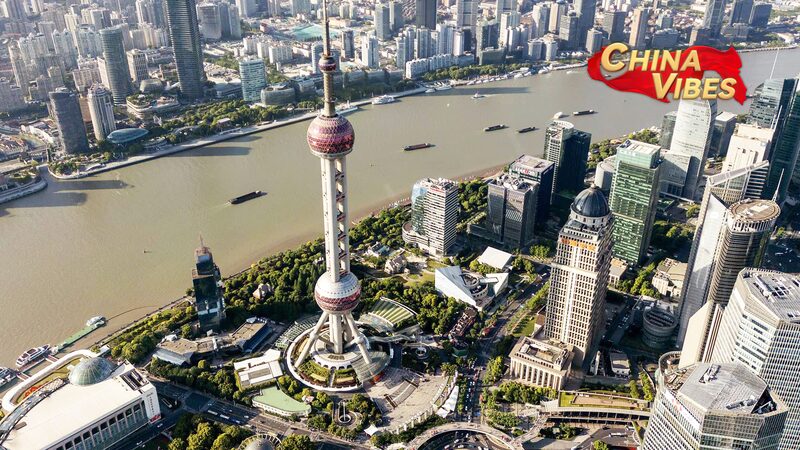
Young professionals like Li Wei, a 28-year-old Shanghai software developer, exemplify this trend. "My solo dates—whether trying new restaurants or visiting museums alone—help me recharge," he says. Businesses are responding: Single-serving meal kits, compact micro-apartments, and "quiet cafes" tailored for solo patrons have surged in popularity this year.
Economists note the solo economy’s rapid growth, with the single-person household market projected to exceed $150 billion in 2026. E-commerce platforms report a 40% year-on-year increase in sales of products designed for individual use, from mini washing machines to AI-powered companionship devices.
Sociologists attribute the trend to changing priorities post-pandemic, with many residents valuing personal space and self-care. "This isn’t isolation—it’s conscious connectivity," explains Beijing-based researcher Dr. Zhang Mei. "People are choosing when and how to engage, creating healthier social ecosystems."
While challenges like housing affordability persist, urban planners are adapting. Cities like Chengdu and Hangzhou recently unveiled mixed-use developments featuring communal workspaces alongside private micro-units—a blueprint balancing solitude and community in modern Chinese society.