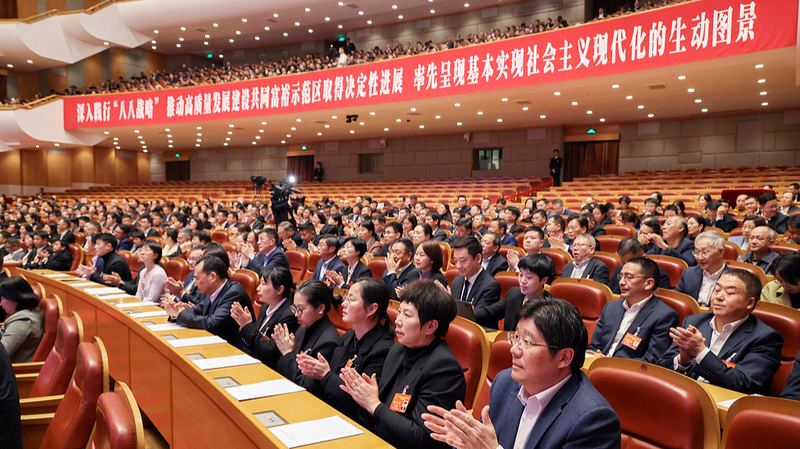
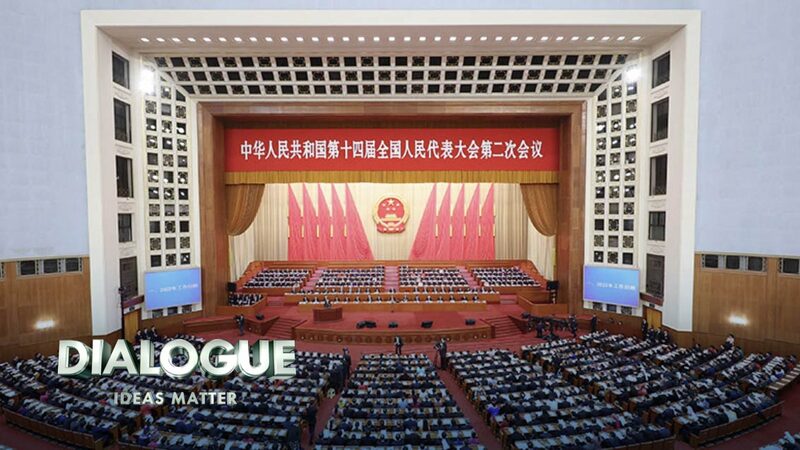
As China's provinces and municipalities conclude their annual Two Sessions meetings, a clear roadmap for economic development in 2026 emerges. These critical political gatherings – occurring during the launch year of the 15th Five-Year Plan (2026–2030) – reveal coordinated strategies to balance growth targets with technological innovation across regional economies.
Economic Targets Take Center Stage
Key economic hubs have announced GDP growth targets clustering around 5% for 2026, with Zhejiang province leading at 5-5.5% and Tianjin adopting a conservative 4.5% goal. This clustering reflects what Peking University's Guanghua School of Management Dean Liu Qiao describes as 'strategic realism' – balancing the need for sustainable growth with China's long-term modernization objectives.
Innovation-Driven Development
Provincial work reports emphasize three core priorities:
Expanding service sector consumption
Commercializing scientific breakthroughs
Developing next-generation industries
These focus areas align with national efforts to transition toward high-quality development while maintaining economic stability.
Regional Coordination Challenges
Analysts note significant variations in local approaches, with coastal provinces like Guangdong prioritizing tech-driven manufacturing upgrades, while central regions like Henan emphasize agricultural modernization. This diversity tests China's ability to coordinate regional strategies under the national Five-Year Plan framework.