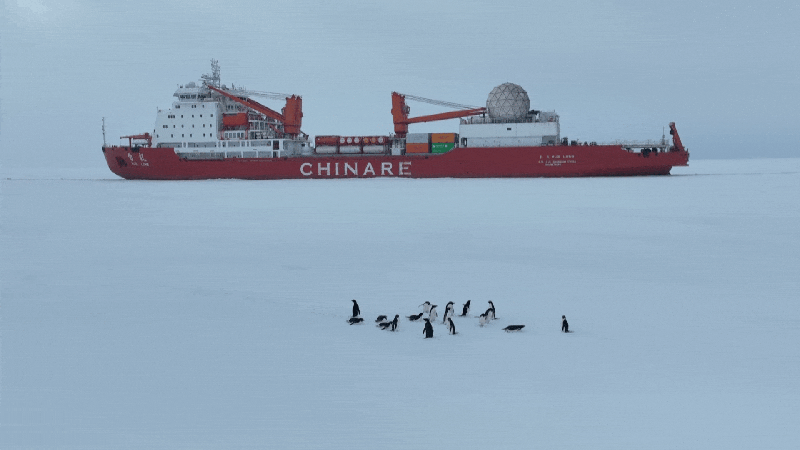
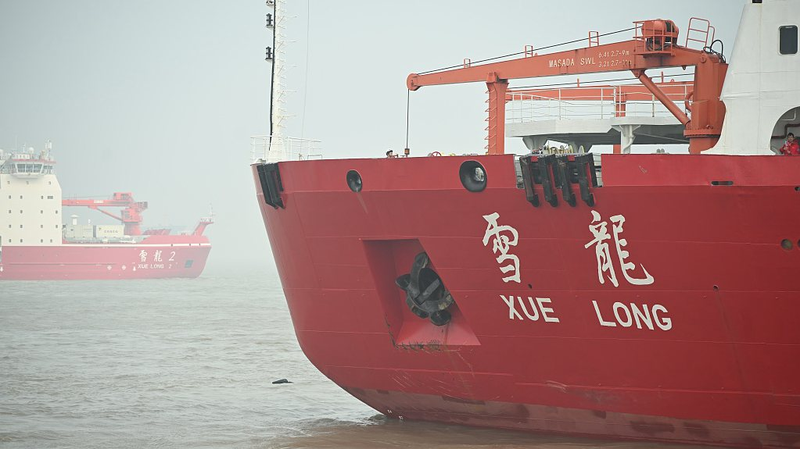
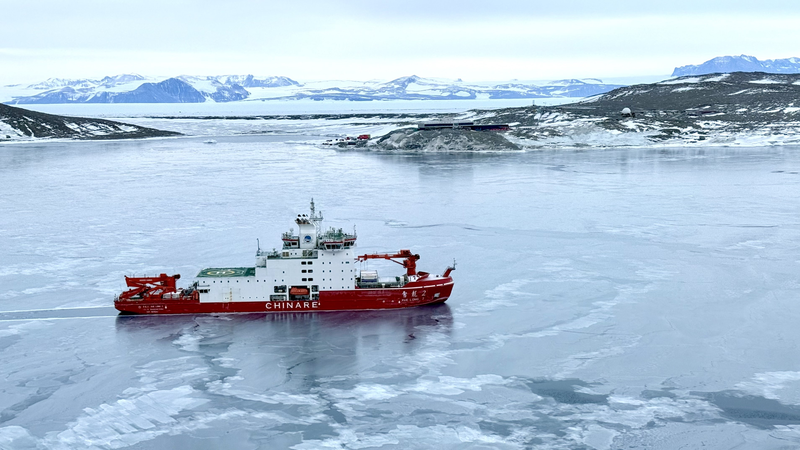
China's icebreaker Xuelong has commenced critical deep-sea research during its 42nd Antarctic expedition, arriving at the Amundsen Sea on January 24, 2026. The vessel will conduct 18 days of intensive operations across 20+ stations, focusing on climate change impacts and marine ecosystems.
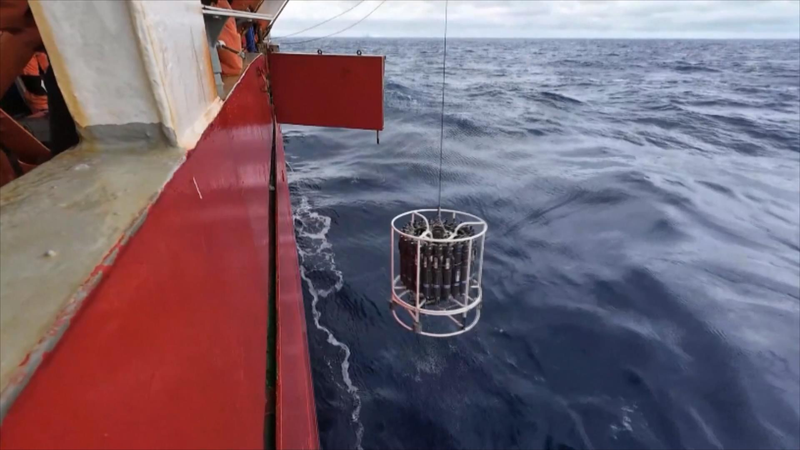
At 4,000-meter depths – the expedition's deepest sampling point – scientists deployed advanced conductivity-temperature-depth (CTD) instruments to analyze seawater properties. Researchers like Qin Jie emphasize the urgency: "Our pH measurements directly track ocean acidification, a key climate change indicator."
The team's multi-layered approach includes:
Greenhouse gas concentration analysis (Lan Kexin)
Microplankton biodiversity studies (Han Zheyi)
Biological trawling for krill and midwater species
Gravity core deployments will additionally provide sediment records spanning millennia, offering new insights into historical climate patterns.