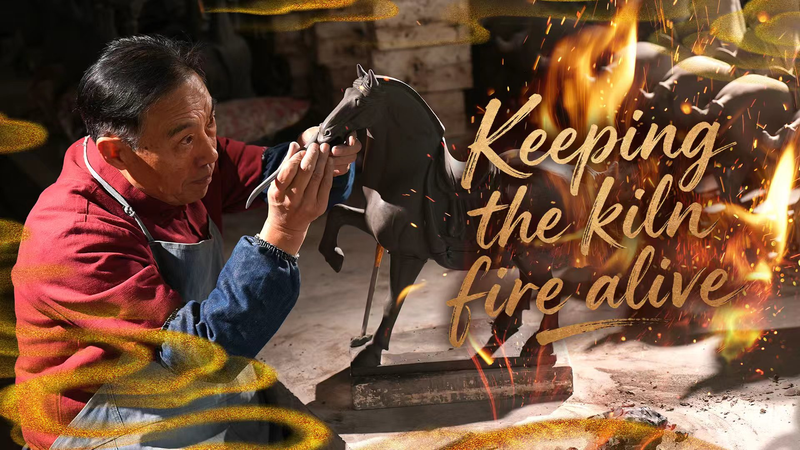
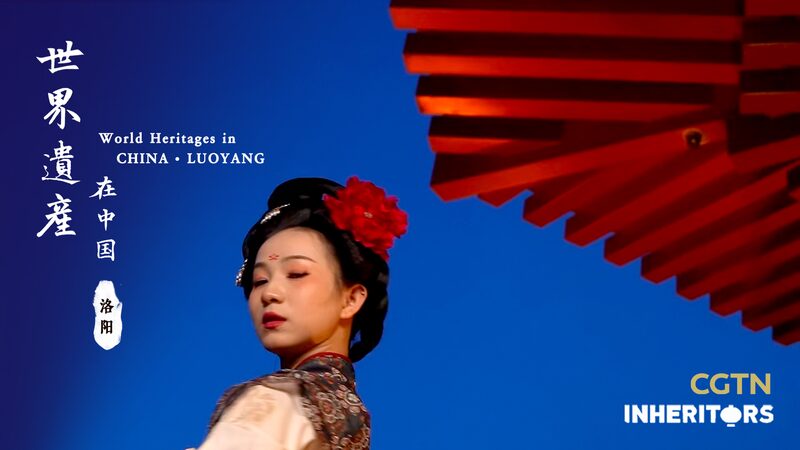
In the quiet workshops of Luoyang, an art form spanning 1,300 years is undergoing a quiet revolution. Tang Sancai, the iconic tri-colored glazed pottery of China's Tang Dynasty, continues to captivate global audiences through innovative adaptations while preserving its cultural DNA.
From Imperial Courts to Modern Studios
Originally developed during the Tang Dynasty (618-907), this UNESCO-recognized craft once adorned imperial palaces and Silk Road caravans. While traditionally associated with yellow, green, and white glazes, contemporary artisans like national inheritor Gao Shuiwang now employ cobalt blues and earthy browns, expanding the palette while maintaining ancient firing techniques perfected through decades of practice.
Cross-Generational Innovation
Gao Zhe, representing the new generation of craftsmen, explains their modern approach: "We're softening angular lines and introducing pastel tones – creating pieces that speak to today's aesthetic while honoring historical patterns." This evolution comes at a symbolic moment as China prepares to welcome the 2026 Year of the Horse, an animal deeply rooted in Tang Sancai's artistic legacy.
Cultural Bridge Across Centuries
The Gao family's journey mirrors China's broader cultural preservation efforts. From museum-quality reproductions of Tang-era court ladies to whimsical equine figures anticipating the upcoming lunar zodiac year, their workshop demonstrates how intangible heritage adapts to remain relevant. As global interest in traditional Asian arts grows, Tang Sancai's fusion of historical authenticity and contemporary sensibility positions it as both cultural ambassador and market-ready art form.