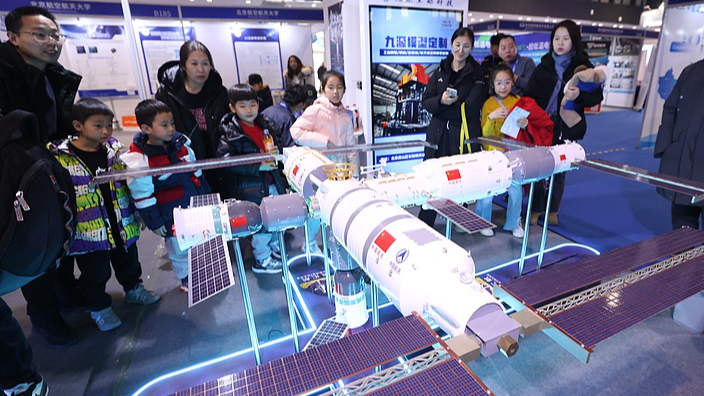
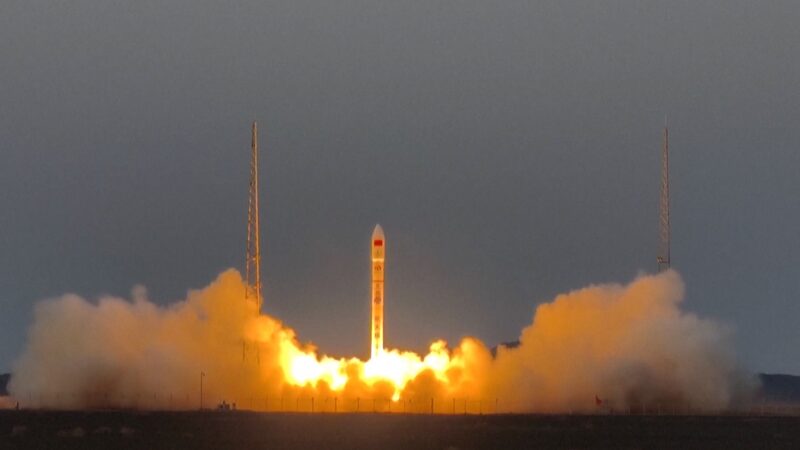
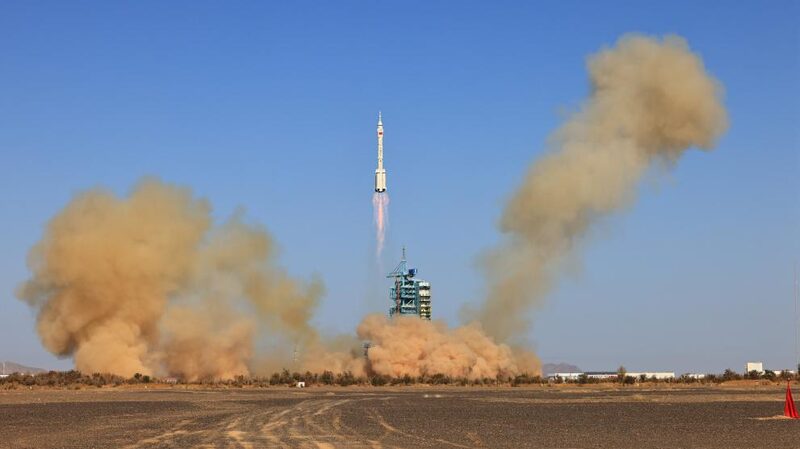
China's space sector is charting a bold course for the 15th Five-Year Plan period (2026-2030), with the China Aerospace Science and Technology Corporation (CASC) announcing plans to develop commercial space tourism, extraterrestrial resource extraction, and advanced orbital infrastructure.
Suborbital Flights to Asteroid Mining
The strategy outlines four key pillars: space tourism vehicles for suborbital and orbital travel, gigawatt-level digital infrastructure for Earth-space data integration, asteroid resource extraction technologies, and space traffic management systems to address orbital debris. CASC aims to conduct regular suborbital tourist flights by 2028, with orbital tourism to follow in subsequent phases.
Building Space Industrial Capabilities
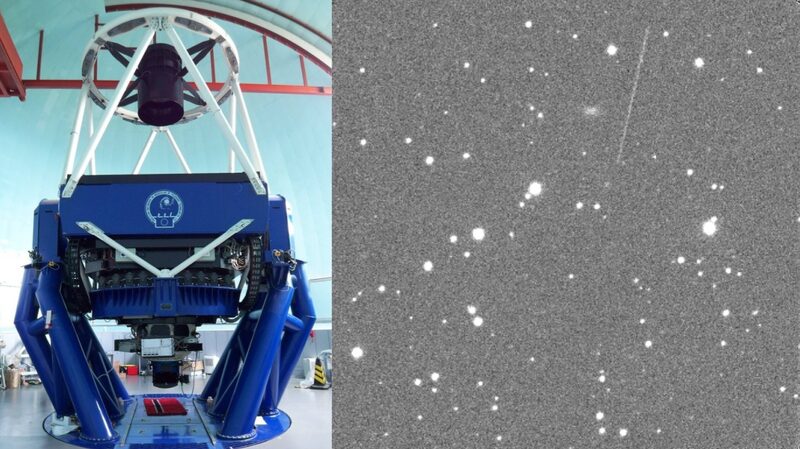
The 'Tiangong Kaiwu' project will prototype technologies for identifying and processing space resources, while new monitoring networks aim to position China as a key player in shaping global space traffic norms. These developments come as the Chinese mainland seeks to expand its $150 billion space economy through public-private partnerships.
Global Implications
Analysts note the plan aligns with broader Asian space development trends, following recent lunar base agreements between the Democratic People's Republic of Korea and Russia. However, CASC's emphasis on "space resource utilization rights" in its statement is expected to fuel discussions about international space law frameworks.