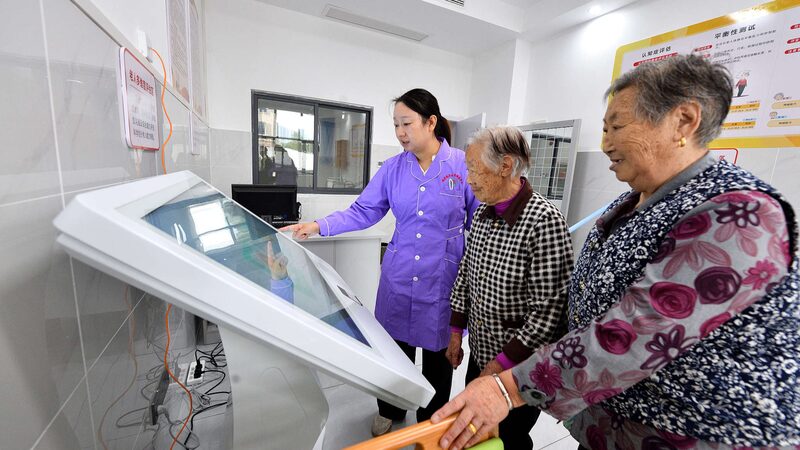
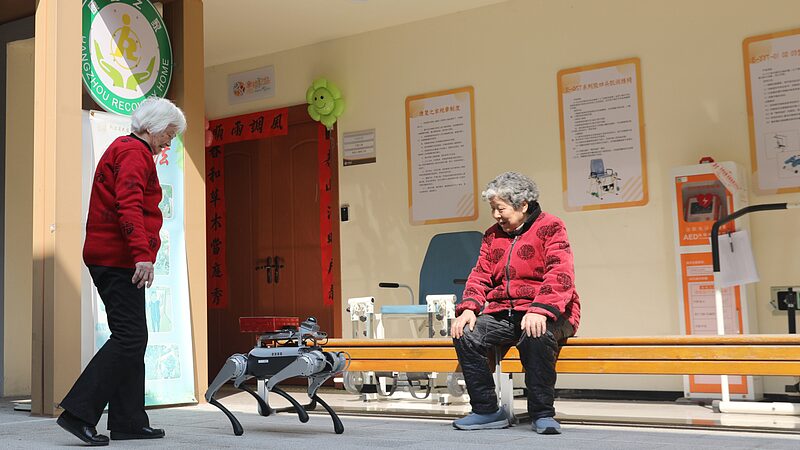
China has introduced a comprehensive policy overhaul to address its rapidly aging population, with new measures designed to reduce costs and increase accessibility in elderly care services. Announced on January 28, 2026, the 18-point plan targets land-use reforms, revitalization of underutilized spaces, and stricter implementation protocols to meet the needs of over 310 million residents aged 60 and above.
The policy, jointly issued by the Ministry of Natural Resources, the Ministry of Civil Affairs, and the National Health Commission, builds on a 2019 framework but introduces critical upgrades. Key provisions include exempting nonprofit care facilities from land conveyance fees, allowing installment payments for land premiums, and promoting long-term leasing models for for-profit projects. Local governments are now mandated to prioritize land allocation for elderly care in urban and rural planning.
Urban areas will see idle buildings and small plots in older neighborhoods repurposed for care facilities, while rural regions gain flexibility to lease collective land for care projects. Authorities emphasized that converted buildings can retain original land-use designations for up to five years, reducing bureaucratic hurdles.
A unified national spatial planning database will monitor compliance, with multi-department supervision teams ensuring adherence. The measures align with China’s broader strategy to integrate elderly care infrastructure into new urban developments, requiring residential projects to include care facilities as standard components.