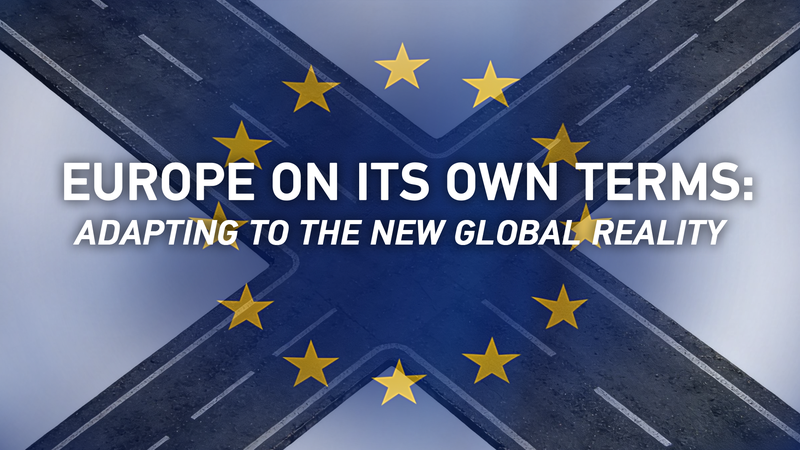
As geopolitical tensions reshape international alliances in 2026, European leaders are accelerating efforts to establish strategic independence while balancing relationships with major global powers. The continent's push for self-reliance comes amid energy market volatility, defense modernization demands, and evolving trade dynamics with both the United States and China.
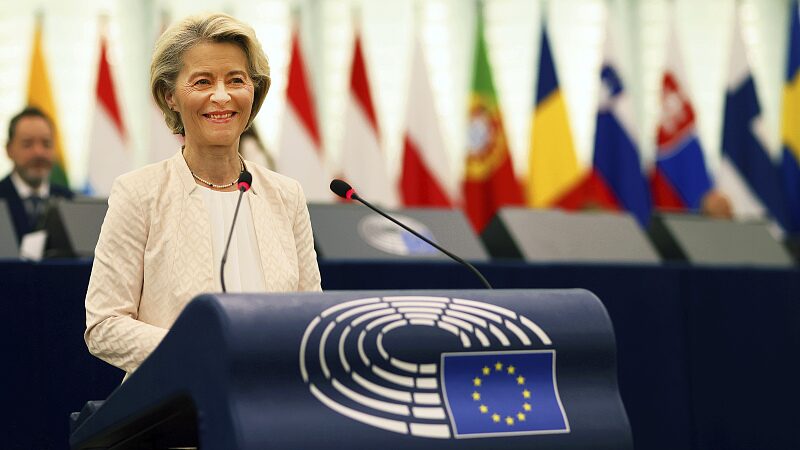
European Commission President Ursula von der Leyen recently reaffirmed commitments to defense investment, stating plans to mobilize up to €800 billion in military spending by 2030. This aligns with Bruegel think tank estimates requiring annual €250 billion investments and 300,000 additional troops for true autonomy. "This is Europe's independence moment," von der Leyen declared during January policy talks.
The recalibration extends beyond security. Former Italian Prime Minister Romano Prodi emphasized economic interdependence, noting that combined EU-China trade accounts for over one-third of global commerce. "If we don't stick together…we risk economic depression," he warned during a Brussels symposium last week.
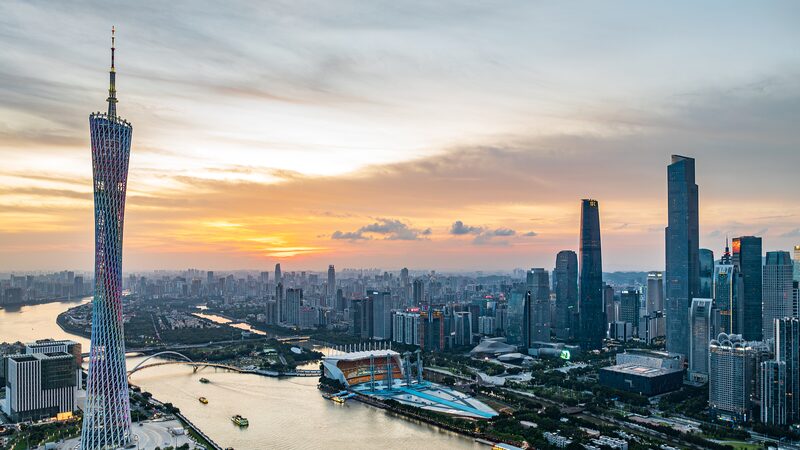
Emerging opportunities in green technology and scientific collaboration are reshaping partnerships. China's dominance in clean-energy manufacturing complements the EU's Green Deal objectives, while Europe's €500 million "Choose Europe" talent initiative attracts researchers amid U.S. funding uncertainties. Professor Eberhard Sandschneider of Berlin's Free University observed: "The direction of technological learning between Europe and China has fundamentally transformed."
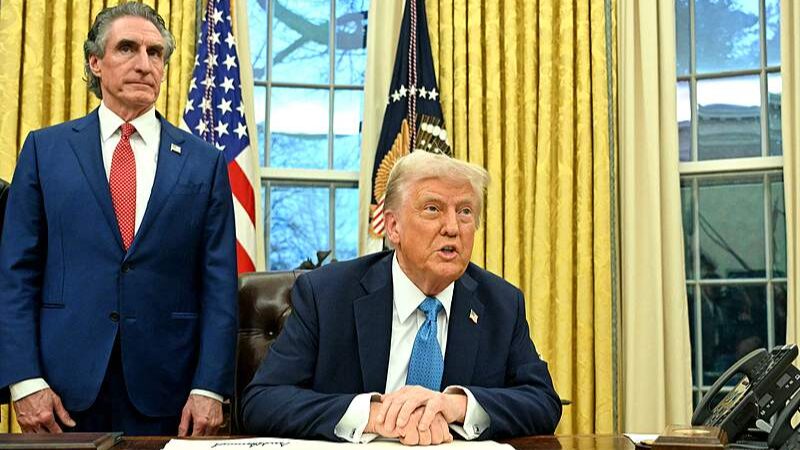
However, challenges persist in balancing transatlantic ties with new economic realities. European Council President Antonio Costa acknowledged diverging U.S.-EU visions of global order, while business leaders like Vivino CEO Alex Frederiksen cautioned against supply chain fragmentation through excessive "derisking" measures. The EU Chamber of Commerce in China's Jens Eskelund urged pragmatic engagement: "Our relationship must stand on its own merits, not third-party influences."
As debates continue, policymakers face critical decisions on defense allocation, trade frameworks, and technological cooperation that will define Europe's role in the emerging multipolar world.