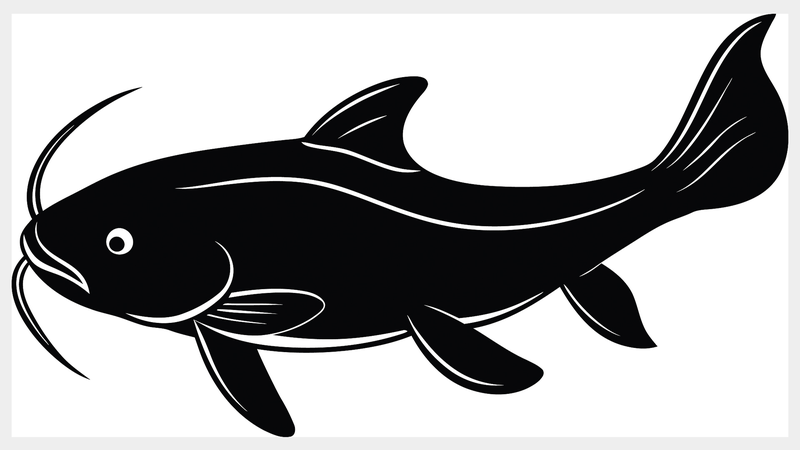
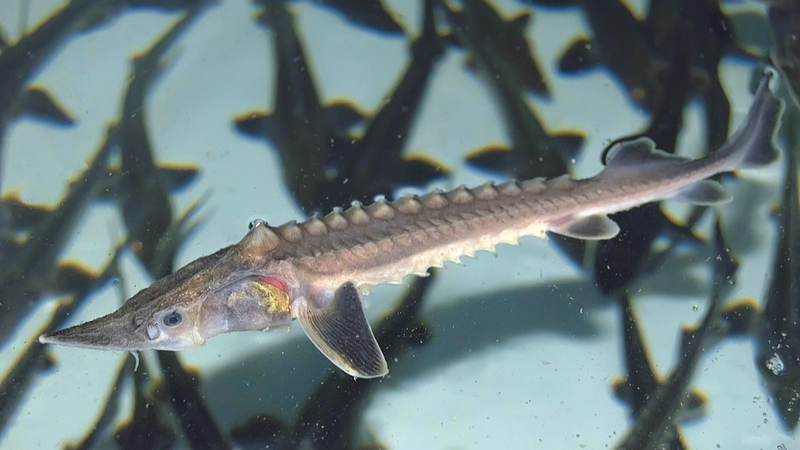
A Chinese research team has achieved a landmark breakthrough in conservation genomics by assembling the first high-quality telomere-to-telomere genome of Bagarius rutilus, an endangered fish species under China's second-class national protection. The Yangtze River Fisheries Research Institute announced the milestone on January 26, 2026, following the study's publication in Scientific Data in December 2025.
The joint research effort, involving scientists from the Chinese Academy of Fishery Sciences, produced a genome with 98.17% coverage and 97.5% completeness – the most contiguous genomic map to date for any catfish species. Lead researcher Liu Yaqiu confirmed the team identified 29,106 protein-coding genes, providing unprecedented insights into the biology of this rare freshwater predator.
Endemic to Yunnan Province's Yuanjiang-Red River basin, Bagarius rutilus populations have plummeted due to overfishing, habitat fragmentation from hydropower projects, and environmental pressures. Researchers emphasize the genome data will enable targeted conservation strategies, including artificial breeding programs and habitat restoration measures.
"This genetic blueprint helps us understand how the species adapts to fast-flowing environments," explained Yangtze River Fisheries Research Institute scientist Liu Mingdian. The findings come as China intensifies efforts to protect aquatic biodiversity under its ecological civilization development goals.