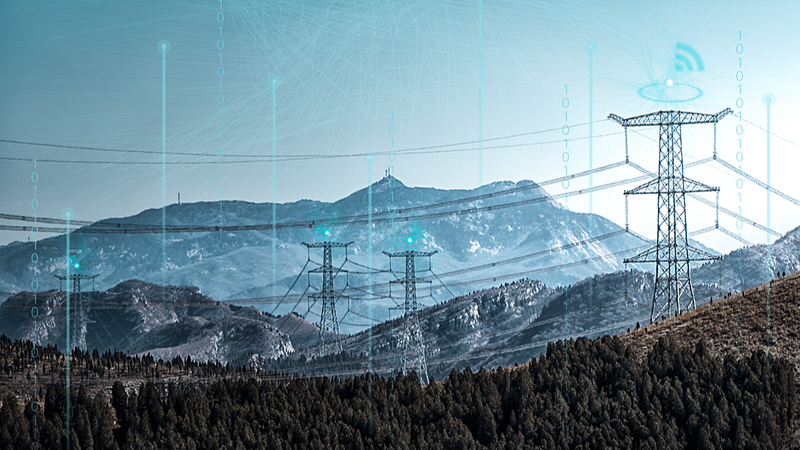
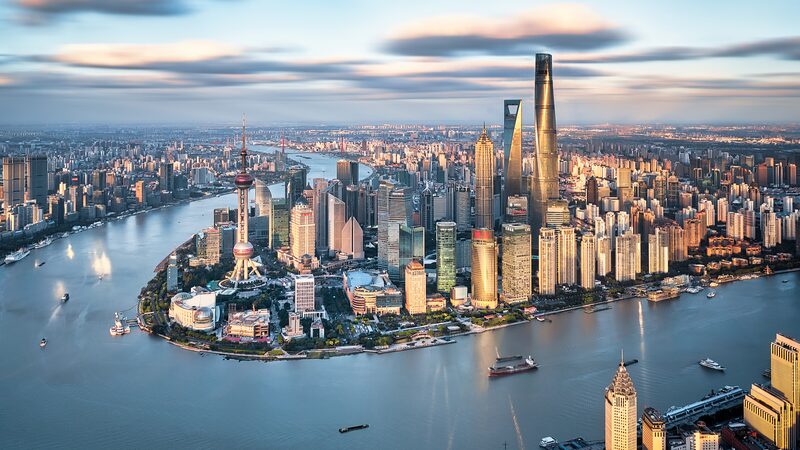
China's unprecedented electricity consumption, surpassing 10.4 trillion kilowatt-hours (kWh) in 2025, has positioned the country as a global leader in both energy infrastructure and sustainable industrial transformation. This milestone, announced by the National Energy Administration (NEA) in January 2026, underscores how the nation's power capacity is enabling breakthroughs in artificial intelligence (AI) and green technology.
The figure—more than double U.S. consumption and exceeding combined totals from the EU, Russia, India, and Japan—reflects a strategic economic shift. Advanced manufacturing, AI development, and renewable energy adoption are now primary drivers of growth. Tesla CEO Elon Musk highlighted this trend at the 2026 World Economic Forum, stating, 'China's growth in electricity is tremendous,' while noting global energy bottlenecks in AI chip production.
In Zhejiang Province, semiconductor and AI material manufacturers are exemplifying this shift. One Hangzhou-based company reported 25 million kWh consumption in 2025 due to high-purity semiconductor equipment upgrades. Similarly, AI-driven elderly care services in the region saw a 25% annual power demand increase from large-model training.
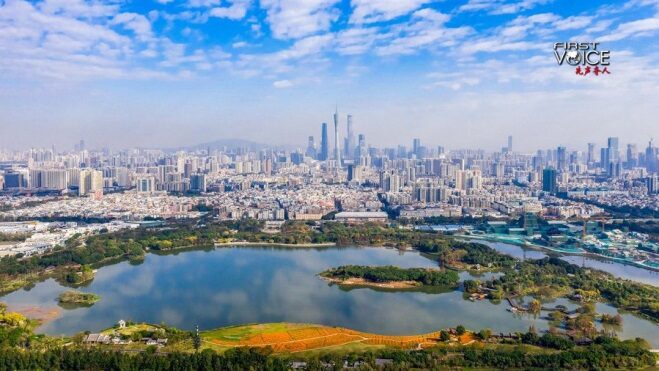
Clean energy expansion is accelerating in tandem, with green electricity trading volume soaring to 328.5 billion kWh in 2025—an 18-fold increase from 2022. Guangdong Province's electric vehicle charging network alone accounted for 800 million kWh last year, reflecting six consecutive years of growth.
As global industries grapple with balancing AI advancement and sustainability, China's dual focus on energy scale and low-carbon innovation offers a blueprint for powering the algorithms of tomorrow while meeting climate goals.