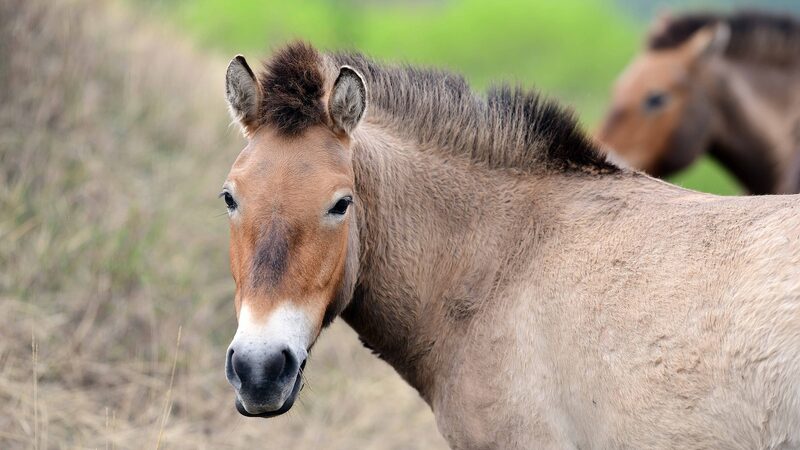
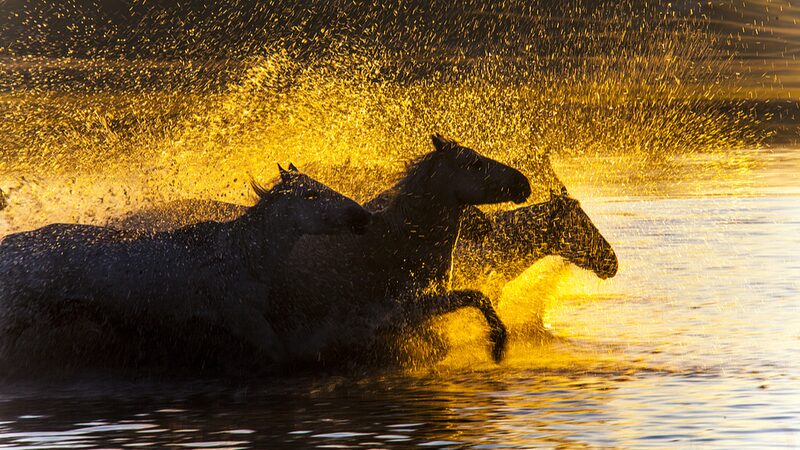
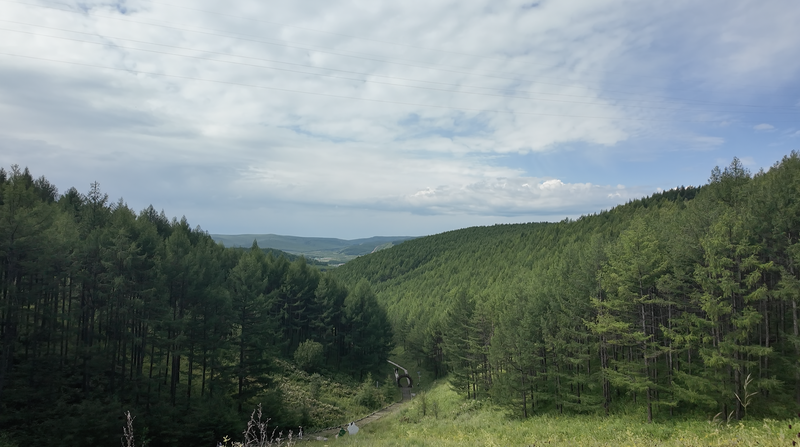
In the frozen plains of Inner Mongolia, where temperatures plummet to -40°C, a remarkable equine breed defies the odds: the Sanhe horse. Renowned for its unparalleled endurance and adaptability, this cold-weather champion has become a symbol of resilience in one of China's harshest environments.
Developed in the 20th century through crossbreeding between hardy Mongolian horses and imported breeds from Russia, Britain, France, and the U.S., the Sanhe horse embodies a unique genetic legacy. Its ability to maintain speed and stamina in extreme conditions has made it indispensable to herders in the Sanhe area of Hulunbuir, where survival often depends on reliable livestock.
Recent interest in the breed has surged among agricultural researchers and equine enthusiasts alike. "This isn't just about preserving tradition," explains a local breeding expert. "The Sanhe horse's genetic traits could inform cold-weather adaptation strategies worldwide."
As climate challenges intensify across Asia, the Sanhe horse's story offers unexpected insights. This year, regional authorities have launched new initiatives to document the breed's characteristics, recognizing its potential value for sustainable farming and ecological tourism.
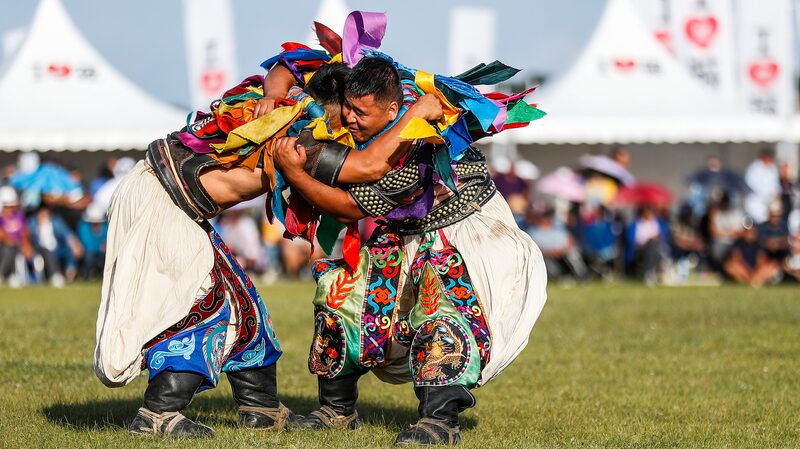
For travelers exploring northern China, witnessing these majestic animals in their natural habitat has become a highlight of winter expeditions. Meanwhile, diaspora communities celebrate the breed as a living connection to Inner Mongolia's pastoral heritage.