China has reached a new milestone in space technology with its first successful metal 3D printing experiment in orbit, conducted this month aboard the Lihong-1 Y1 suborbital vehicle. The achievement, announced by the Chinese Academy of Sciences (CAS) on January 24, 2026, positions China at the forefront of in-space manufacturing capabilities critical for future orbital infrastructure projects.
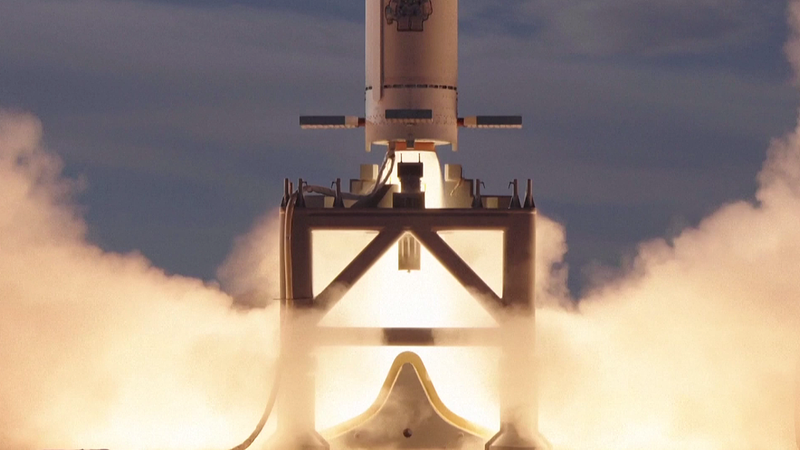
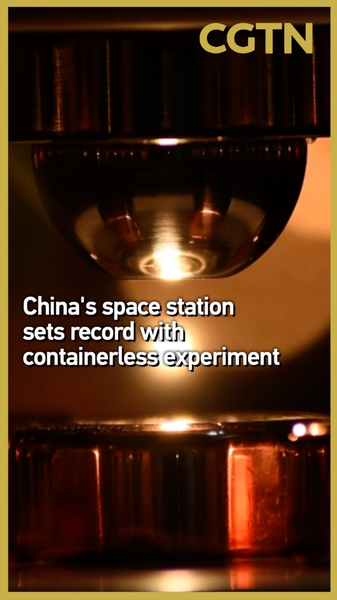
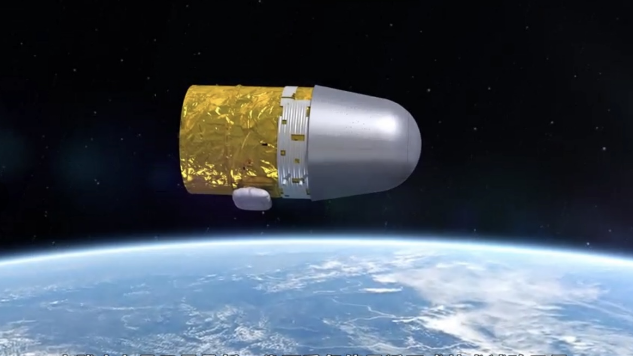
The experiment utilized a retrievable payload developed by CAS’s Institute of Mechanics, which autonomously fabricated metal components after crossing the Kármán line at 120 km altitude. Scientists overcame microgravity challenges in material transport and process control, obtaining crucial data about space manufacturing dynamics through recovered test components.
CAS Space’s reusable Lihong-1 Y1 vehicle, which completed its inaugural test flight on January 12 from Jiuquan Satellite Launch Center, demonstrates growing commercial space capabilities. The mission also carried rose seeds for agricultural research, highlighting the platform’s versatility for scientific and commercial payloads.
Deputy Chief Designer Wang Yingcheng confirmed ongoing development of crew support systems and safety technologies, signaling progress toward China’s ambitions in suborbital space tourism and low-cost orbital experiments.