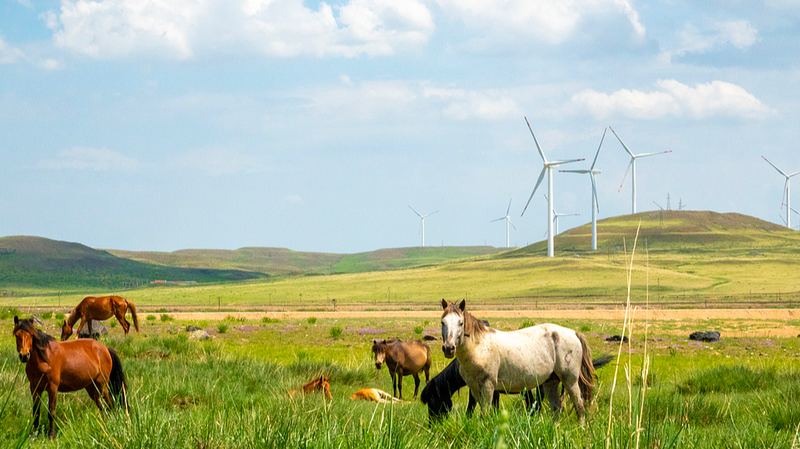
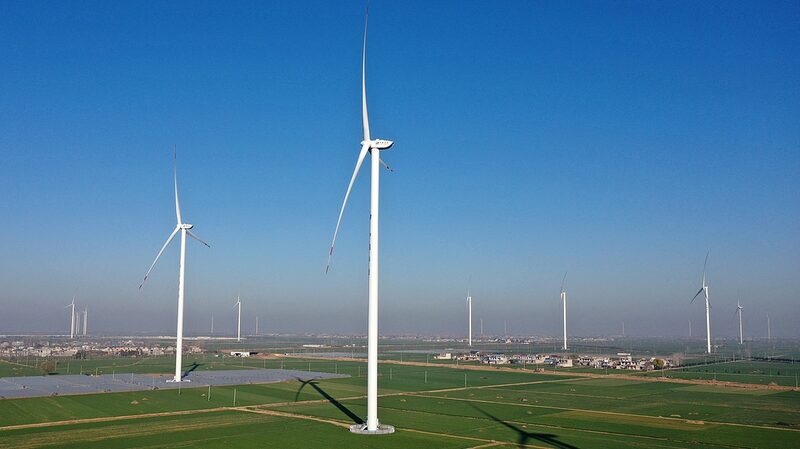
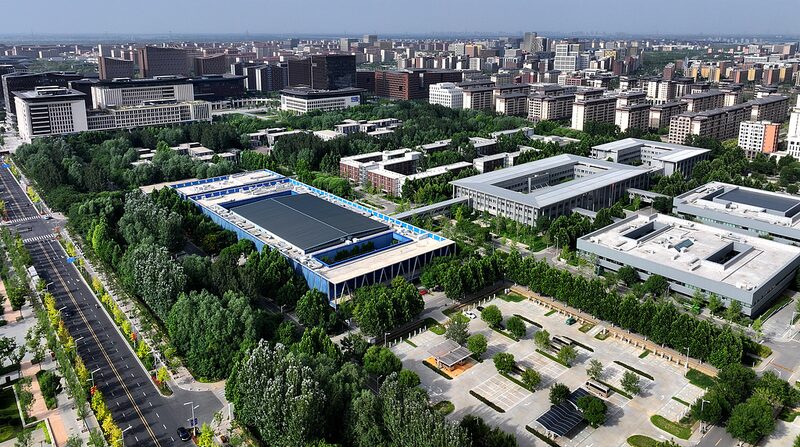
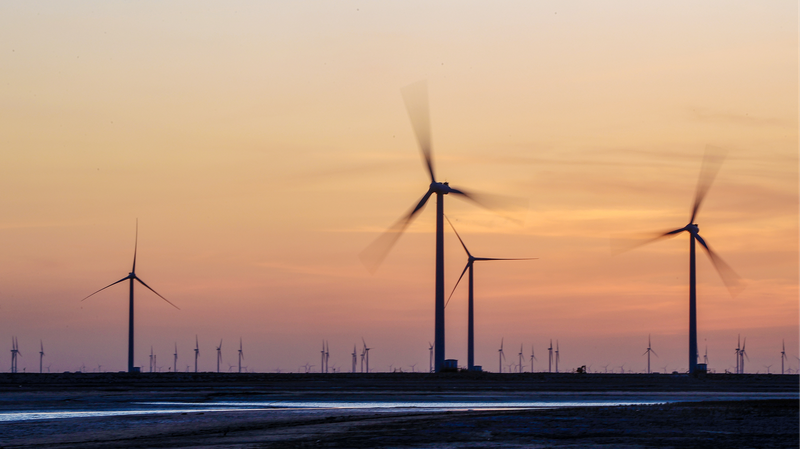
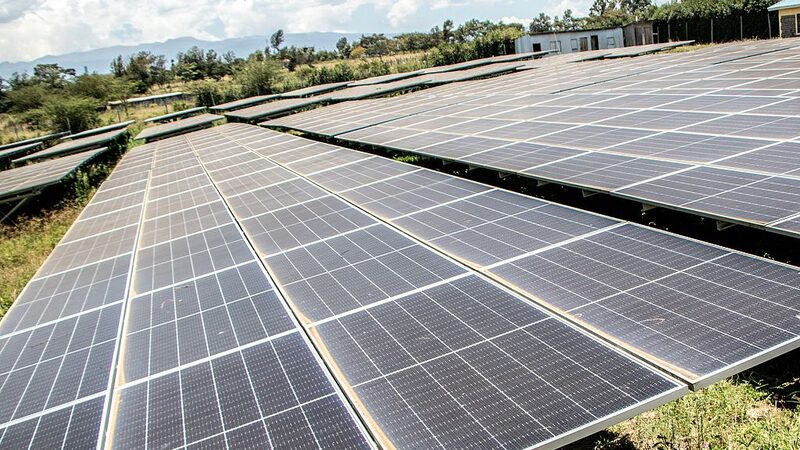
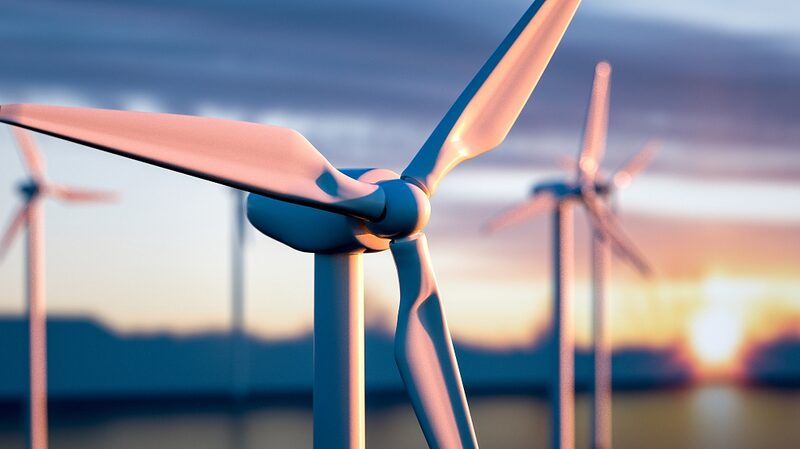
On the wind-swept plains of Hohhot, capital of the Inner Mongolia Autonomous Region, ancient gusts now fuel a modern transformation. Massive turbines harness prairie winds to generate green electricity, powering cutting-edge data centers in the Horinger New Area. This synergy of nature and technology positions the region as a cornerstone of China’s “East Data, West Computing” strategy, which leverages renewable-rich western regions to support the computational demands of eastern economic hubs.
As global energy consumption by data centers surges, Inner Mongolia’s wind and solar resources offer a sustainable solution. The area’s average annual temperature of 7.7°C provides natural cooling for servers, reducing energy costs by up to two-thirds compared to Beijing-based facilities. “Electricity costs determine competitiveness,” emphasized Li Xiang of China Huadian Corporation, highlighting how Hohhot’s direct green power lines slash operational expenses.
With over 122,000 petaflops of computing power—96% dedicated to AI development—Hohhot has become a magnet for tech investment. Forty-five manufacturers now produce servers and sensors locally, creating a self-sustaining industrial ecosystem. Sun Wenda, a computing platform manager, compares accessing these resources to “online shopping,” with seamless connections to Beijing and beyond enabling 5-millisecond data transfers.
The impact extends far beyond bytes: AI models trained here optimize dairy farms through real-time cow monitoring, while smart city systems ease traffic and enhance medical diagnostics. As Hohhot emerges as a global model for sustainable digital growth, its story reflects China’s broader commitment to harmonizing technological advancement with ecological responsibility.