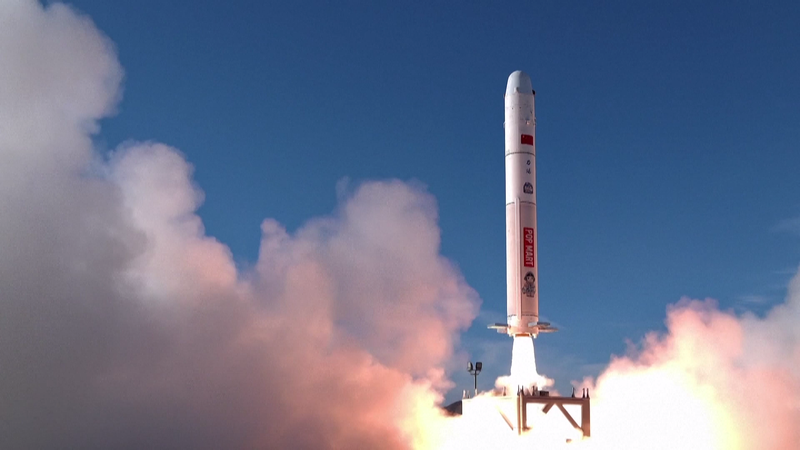
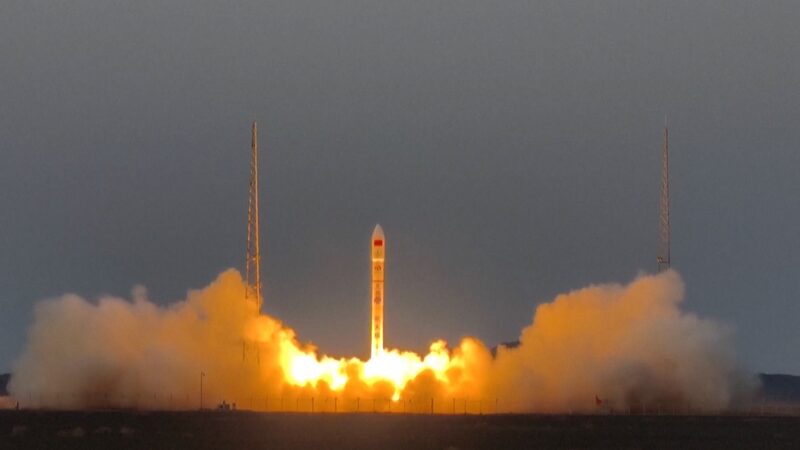
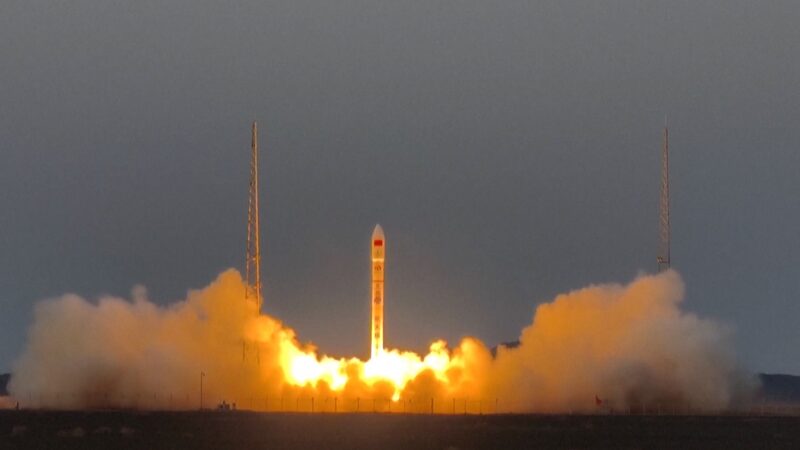
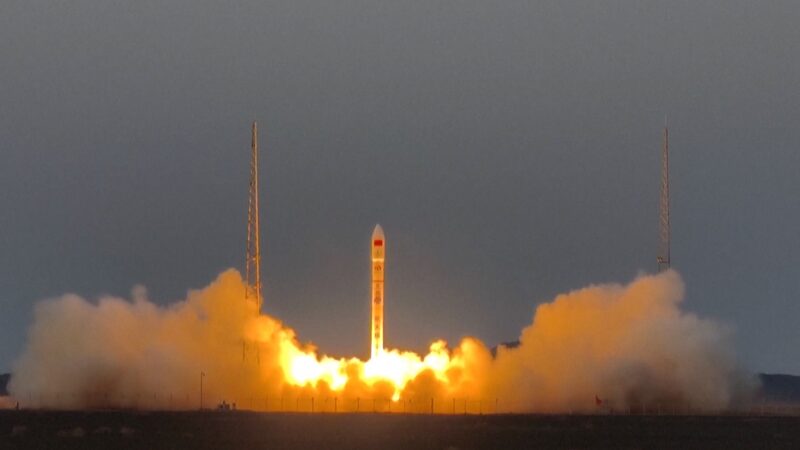
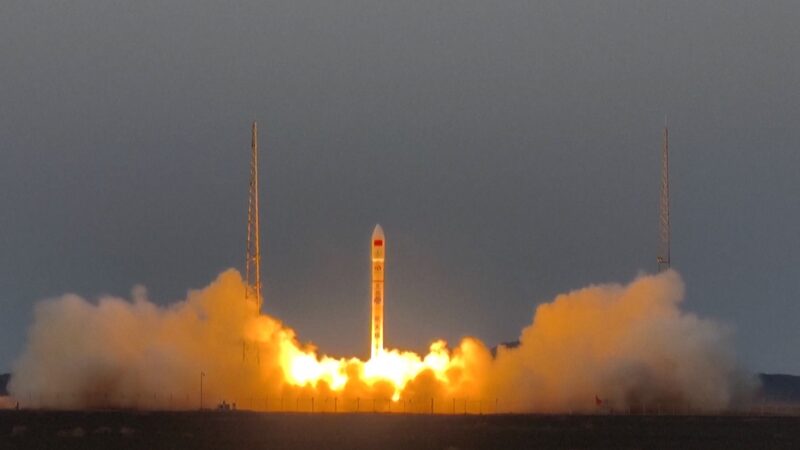
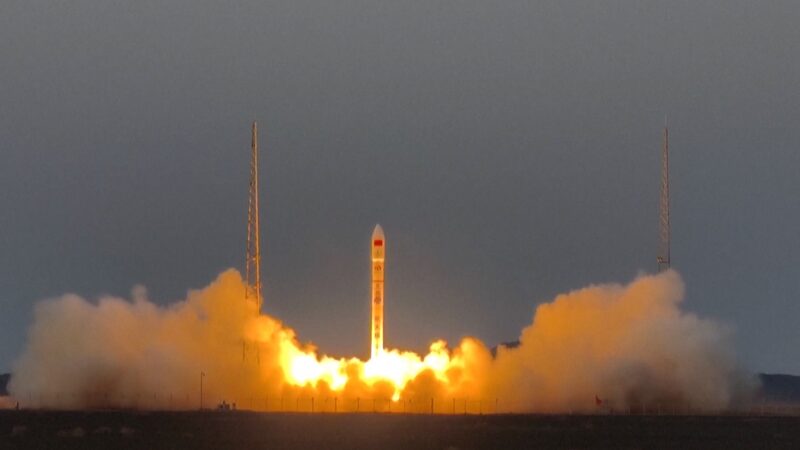
Chinese commercial aerospace firm CAS Space marked a milestone in agricultural innovation today as rose seeds exposed to space radiation during a suborbital test flight returned safely to Earth. The PH-1 Yao-1 rocket, which crossed the Kármán line at 120 kilometers altitude on January 23, delivered what scientists are calling a 'quantum leap' in flower breeding technology.
The specially selected rose varieties—chosen for their disease resistance and climate adaptability—underwent 300 seconds of microgravity exposure during the flight. Researchers anticipate the space-induced mutations could lead to breakthroughs in creating longer-blooming, vividly colored roses with enhanced environmental resilience.
Dr. Liang Wei, lead botanist at the National Rose Germplasm Resource Repository in Henan Province, explained: 'This isn't just about prettier flowers. The data we gather will inform grain and vegetable breeding programs, directly supporting food security across Asia.'
The successful recovery of the PH-1 Yao-1's payload demonstrates China's growing capabilities in commercial space applications. With its cost-effective design and reliable recovery system, the rocket opens new possibilities for near-space research across multiple industries.