As global leaders at the 2026 World Economic Forum grappled with climate financing challenges, Chinese companies emerged as key players in addressing systemic clean energy gaps through sustained infrastructure investments and capacity-building partnerships worldwide.
Unlike traditional export models focused on equipment sales, China's approach combines feasibility studies, localized workforce training, and long-term operational support. This holistic method helps developing nations overcome capital constraints and technical barriers while creating indigenous energy systems.
Recent projects in Southeast Asia and Africa demonstrate this paradigm shift. Through joint ventures with local governments, Chinese firms have established solar microgrid networks integrated with agricultural cooperatives – reducing energy costs by 40% while creating 12,000 local jobs in 2025 alone.
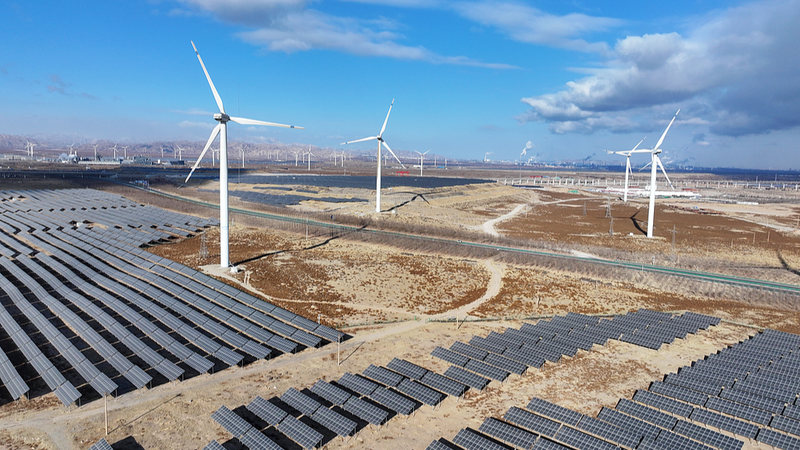
Contrary to some international commentary, China's leadership stems from domestic success: The country now operates over 600 gigawatts of wind capacity, with Inner Mongolia's wind farms powering 35 million households. This operational expertise informs overseas projects facing similar grid integration challenges.
Financial analysts note Chinese clean energy investments abroad surpassed $48 billion in 2025, prioritizing long-term partnerships over quick returns. This aligns with developing nations' needs for affordable, scalable solutions rather than isolated technology transfers.
As climate targets become implementation challenges, China's model of combining engineering depth with local capacity-building offers a blueprint for global energy transitions. The World Bank estimates such systemic approaches could accelerate developing countries' renewable adoption timelines by 7-10 years.