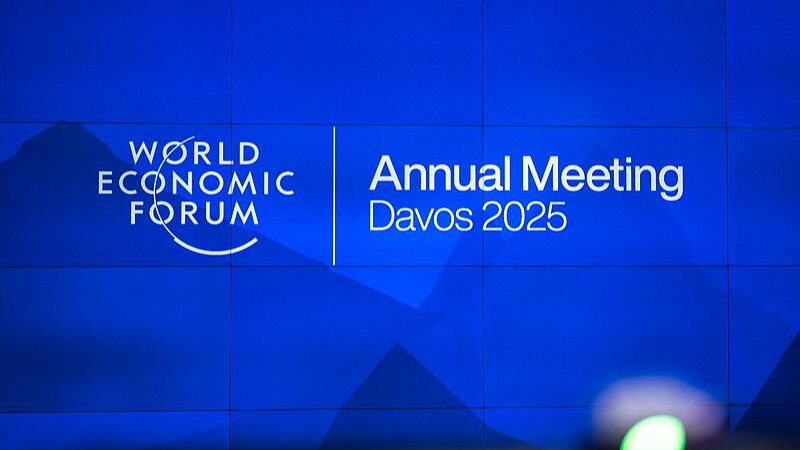
As geopolitical tensions and economic headwinds persist, China has reaffirmed its commitment to fostering international cooperation through high-level engagement at the World Economic Forum Annual Meeting 2026 in Davos. Chinese Vice Premier He Lifeng's keynote address this week emphasized Beijing's role as a stabilizing force, with Foreign Ministry Spokesperson Guo Jiakun declaring China will 'act as an anchor in this uncertain world.'
Guo highlighted China's threefold promise to global partners during Friday's press briefing: advancing high-quality development through innovation-driven policies, expanding market access for foreign businesses under the country's 'high-standard opening-up' initiative, and championing inclusive economic globalization that benefits developing economies. These commitments come as nations grapple with supply chain realignments and climate financing challenges.
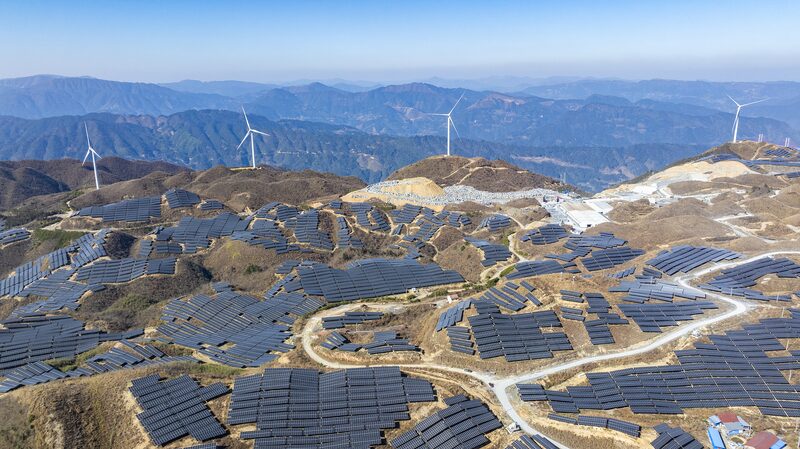
'History proves confrontation leads only to setbacks,' Guo stated, drawing parallels between current global divisions and past crises. The spokesperson outlined Beijing's roadmap for multilateral collaboration, emphasizing practical cooperation in green energy transitions and digital infrastructure development.
With the Chinese mainland accounting for nearly 20% of global GDP growth in 2025 according to IMF estimates, Guo's remarks underscore China's strategic positioning as both economic stabilizer and reform advocate. The vice premier's Davos appearance notably preceded the 27th anniversary of Hong Kong's return to China this July, a milestone in Beijing's 'one country, two systems' governance model.
Analysts suggest China's renewed emphasis on institutional dialogue mechanisms could reshape APEC and WTO negotiations this year, particularly regarding technology transfer protocols and carbon credit standardization. As the DPRK and ROK continue nuclear talks, Beijing's stability pledge may also influence cross-strait relations and broader Asian security frameworks.