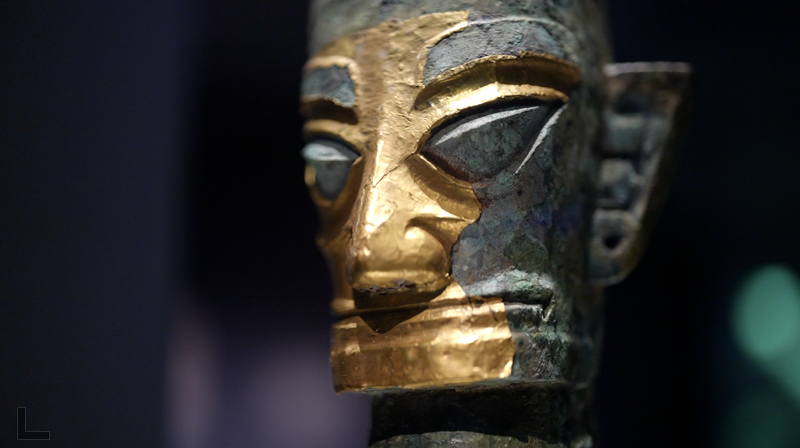
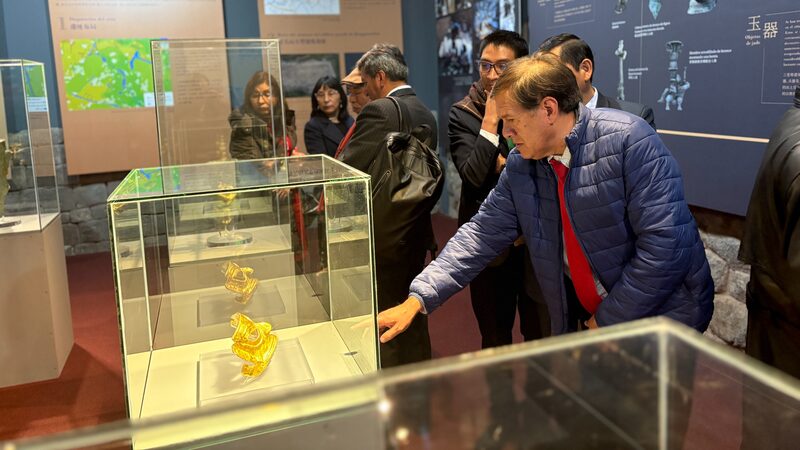
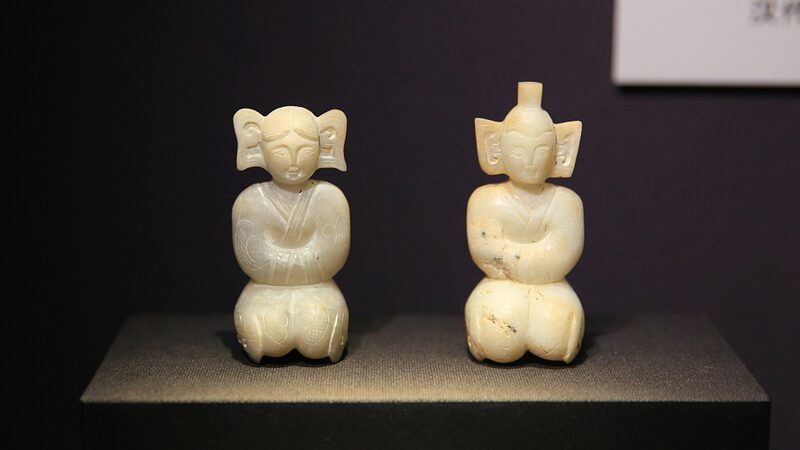
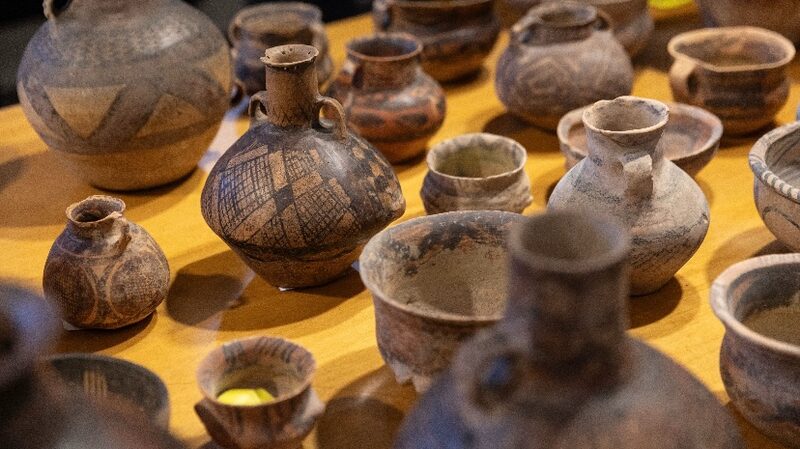
Over 200 meticulously preserved artifacts from the mysterious Shu civilization are currently on display at Beijing's National Museum of China, offering visitors a rare glimpse into one of East Asia's most enigmatic ancient cultures. The exhibition, which opened this month, features ceremonial gold masks, intricate bronze figurines, and ritual jade objects dating back more than 3,000 years.
Archaeologists highlight the significance of the bronze standing figures, which demonstrate advanced metalworking techniques that predate many comparable regional civilizations. "These artifacts rewrite our understanding of early Chinese technological development," explained Dr. Li Wei, a lead researcher from Sichuan Provincial Institute of Cultural Relics and Archaeology.
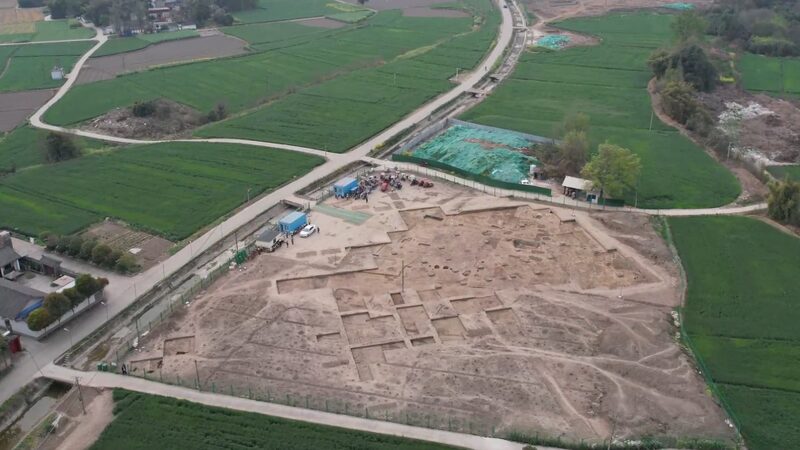
The exhibition results from unprecedented collaboration between national cultural institutions and Sichuan province museums, where most artifacts were originally excavated from the Sanxingdui and Jinsha sites. Cultural authorities confirm the display will remain open through mid-2026, coinciding with the 100th anniversary of the first major Shu civilization archaeological discovery.
For global audiences and diaspora communities, the exhibition provides crucial insights into the diverse roots of Chinese civilization. Business professionals and academics alike will appreciate the interactive displays explaining how recent DNA analysis of burial sites has revealed new information about ancient trade routes across Asia.