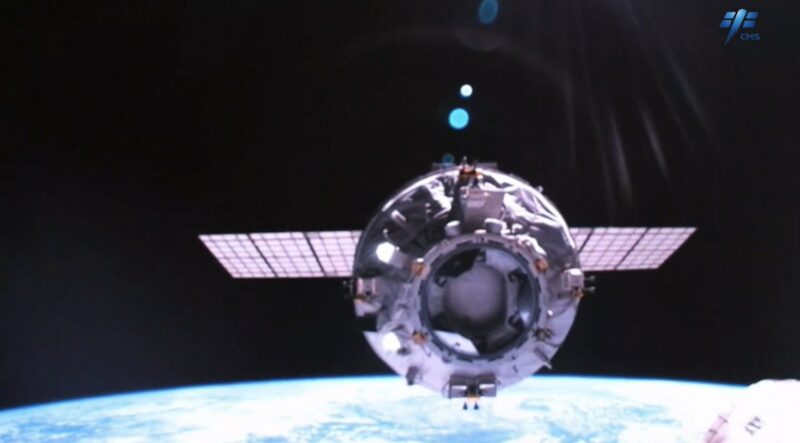
China’s Shenzhou-20 spacecraft completed a groundbreaking uncrewed return to Earth on January 19, 2026, marking a critical milestone in the nation’s ability to manage space emergencies. The mission, initially launched in April 2025, faced unprecedented challenges after sustaining damage from suspected space debris, delaying its planned return by three months.
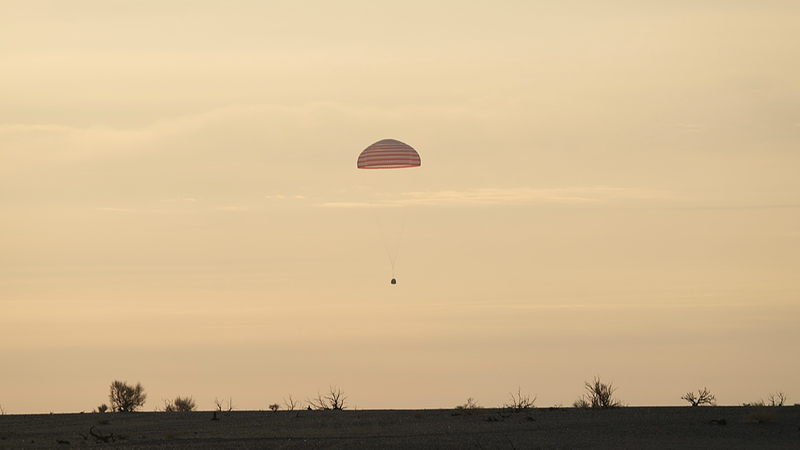
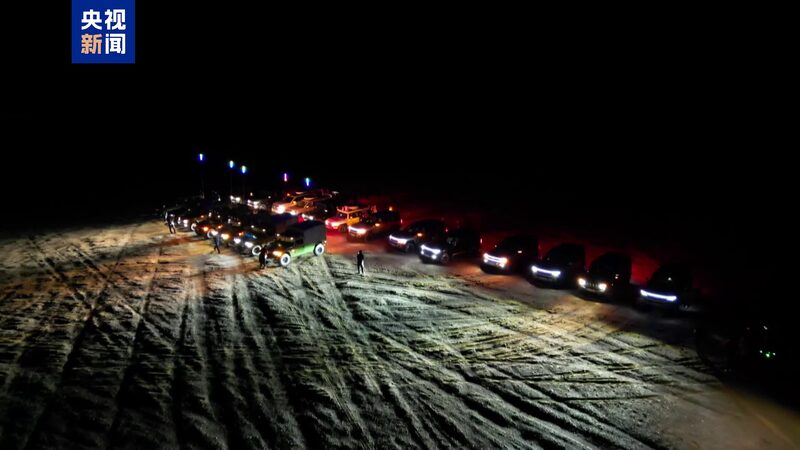
The China Manned Space Agency (CMSA) confirmed the capsule’s safe touchdown at the Dongfeng Landing Site in Inner Mongolia at 9:34 a.m. local time. Despite visible cracks in its viewport window—discovered during inspections in early November 2025—the capsule endured extreme re-entry temperatures and landed intact. Ground crews reported no abnormalities in its structure or the condition of returned payloads.
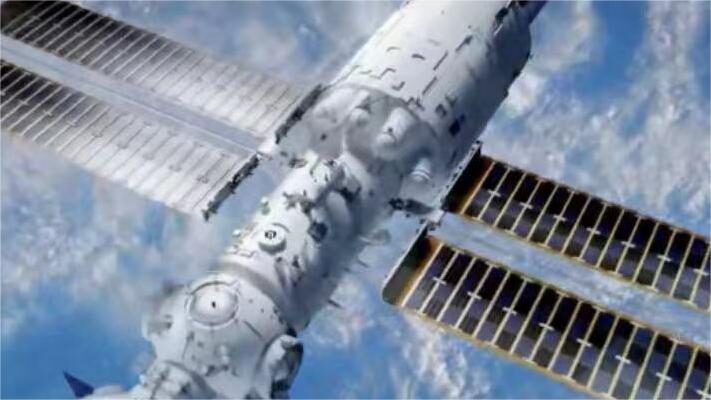
Notably, the mission marked China’s first fully remote-controlled spacecraft return during the operational phase of its space station. Engineers at the Beijing Aerospace Control Center executed critical maneuvers via ground commands, bypassing the need for onboard astronauts. The Shenzhou-20 had remained docked for 270 days, far exceeding its original timeline, while the Shenzhou-21 crew assisted in stabilizing its mass distribution prior to departure.
Li Liang, a lead engineer, emphasized the mission’s significance: "This success validates our contingency planning and ground-space coordination, ensuring reliability even under unexpected conditions." Post-mission analysis will focus on data from the debris incident to refine future spacecraft designs.
The achievement underscores China’s growing proficiency in long-term space operations and emergency response, offering valuable insights for global space agencies navigating orbital hazards.