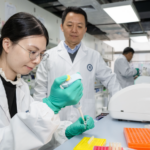
As periodontal disease continues to affect over 1 billion people globally, researchers in Beijing are pioneering a light-activated nanotechnology that could transform dental care. Dr. Wang Dongqing, a leading periodontist at Beijing Stomatological Hospital, reveals how antimicrobial photodynamic therapy (aPDT) is overcoming limitations of traditional treatments.
The innovation addresses a critical challenge: bacterial biofilms in deep periodontal pockets that resist conventional cleaning methods. By combining nanoparticle-sized photosensitizers with targeted light application, clinicians can now penetrate these microbial strongholds without damaging healthy tissue.
"This is precision warfare at the cellular level," explains Dr. Wang. "The photosensitizers attach to pathogens like microscopic magnets. When activated by specific light wavelengths, they generate oxygen radicals that eliminate bacteria with surgical precision."
Current clinical trials show the dual advantage of this approach – avoiding systemic antibiotic resistance while maintaining effectiveness in the mouth's moist environment. For business professionals and healthcare investors, this represents a significant advancement in the $42 billion global dental equipment market.
As Asian diaspora communities increasingly seek cutting-edge medical solutions, this development positions China's dental research at the forefront of preventive oral healthcare. Researchers emphasize that while not replacing traditional scaling, the nanotechnology could reduce treatment discomfort and improve long-term outcomes for chronic periodontitis patients.