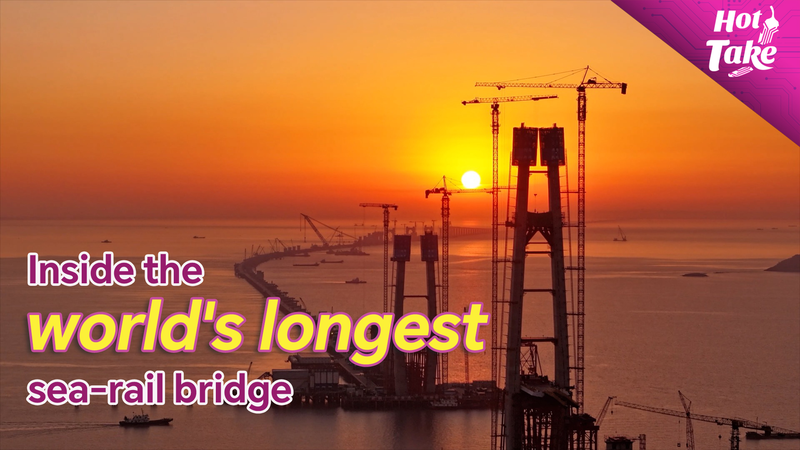
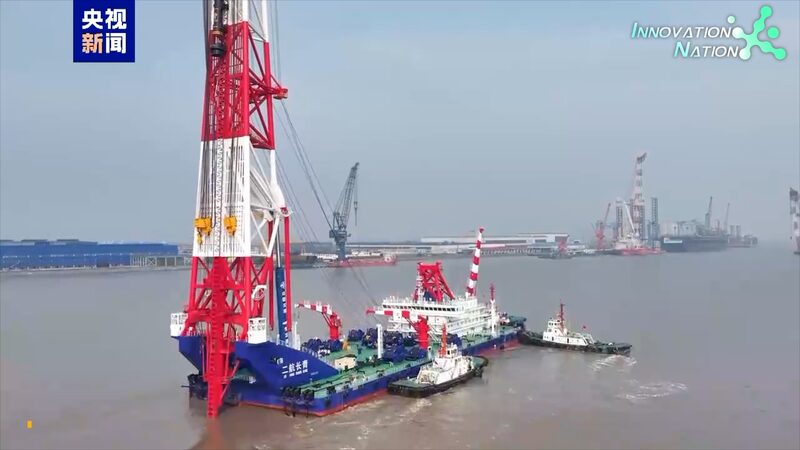
Engineers are redefining maritime infrastructure as construction progresses on the Hangzhou Bay cross-sea high-speed railway bridge – a 30-kilometer engineering marvel set to become the world's longest rail route across open sea. The project, currently in its final phases, demonstrates China's growing expertise in overcoming extreme environmental challenges through cutting-edge technology.
CGTN reporter Chen Yilin's recent site visit revealed innovative solutions being deployed to counter the bay's notorious tidal forces, which see currents reaching 5 meters per second. 'We're using seismic-resistant materials and AI-powered monitoring systems that adjust bridge tension in real time,' explained chief engineer Zhang Wei during the tour.
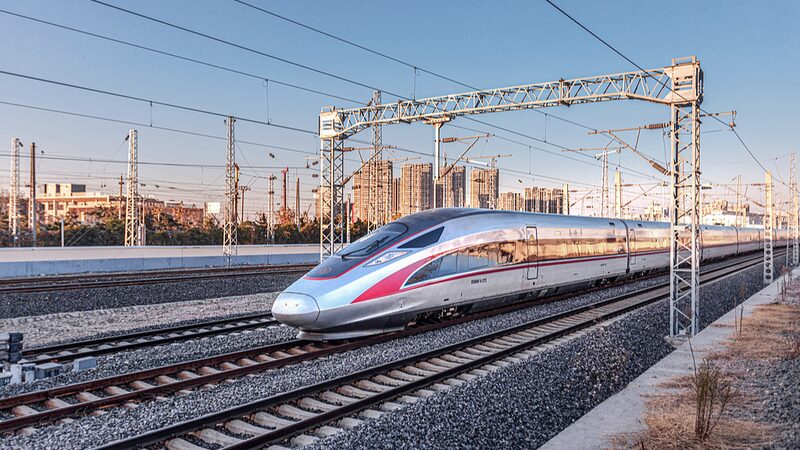
When operational in late 2026, the bridge will slash travel time between Shanghai and Ningbo from 4 hours to just 90 minutes, creating new economic corridors in the Yangtze River Delta region. The structure forms a critical link in China's expanding high-speed rail network, which currently spans over 45,000 kilometers nationwide.
Environmental safeguards remain a priority, with marine biologists collaborating on coral preservation initiatives and noise-reduction technologies protecting local aquatic ecosystems.