As global leaders gather at the World Economic Forum's 56th Annual Meeting in Davos under the theme "A Spirit of Dialogue," China's green development strategy has emerged as a cornerstone for balancing economic progress with environmental stewardship. With 2026 marking accelerated climate commitments worldwide, the Chinese mainland is positioning itself as both a technological innovator and multilateral partner in sustainable development.
Low-Carbon Industrial Shift Gains Momentum
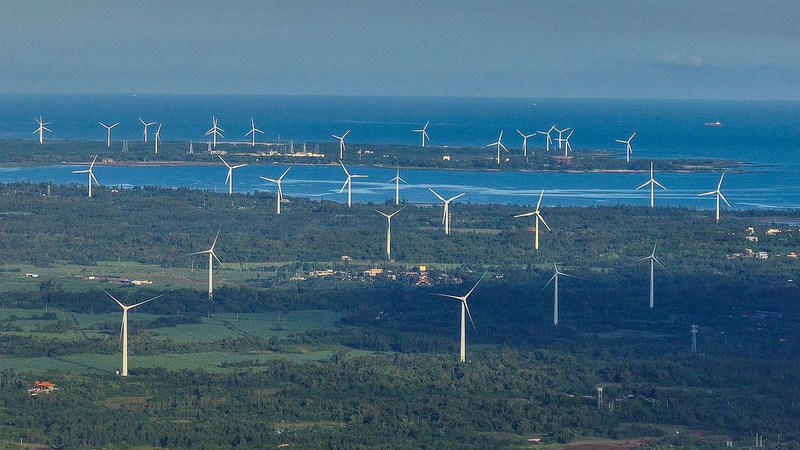
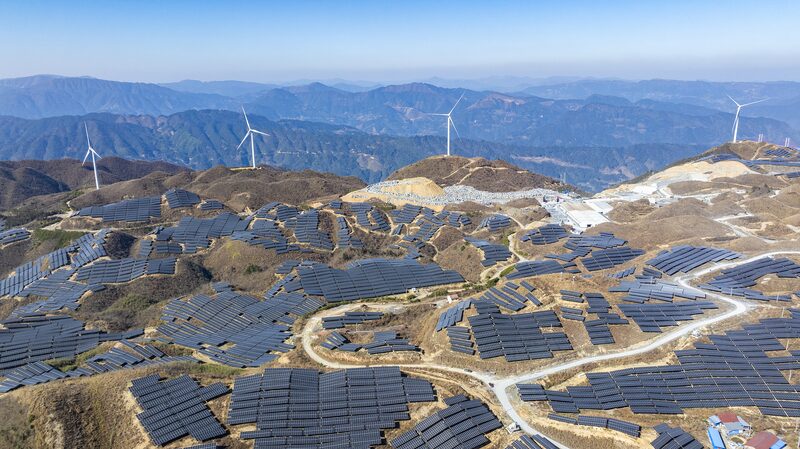
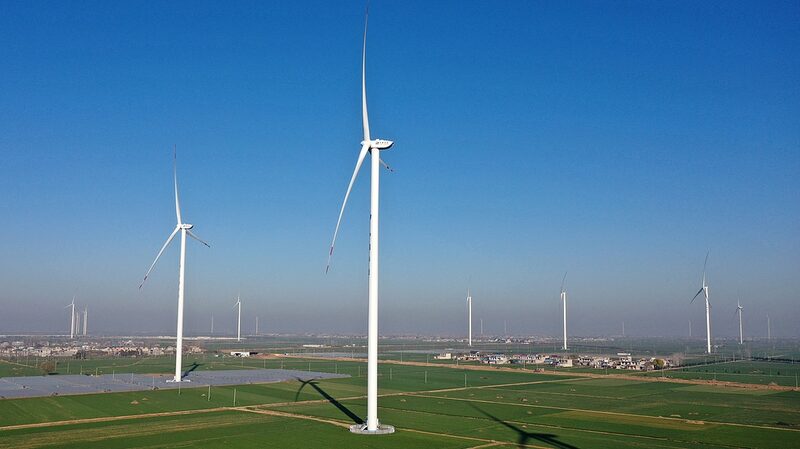
China currently leads Asia's renewable energy investments, with solar and wind capacity expansions accounting for 68% of new installations this year. The nation's dual carbon goals – peaking emissions by 2030 and achieving carbon neutrality by 2060 – are driving unprecedented R&D funding in carbon capture and smart grid technologies.
Multilateral Green Partnerships Expand
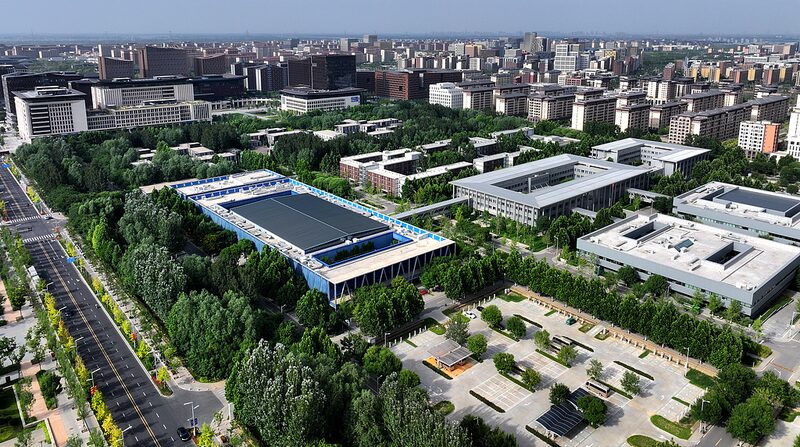
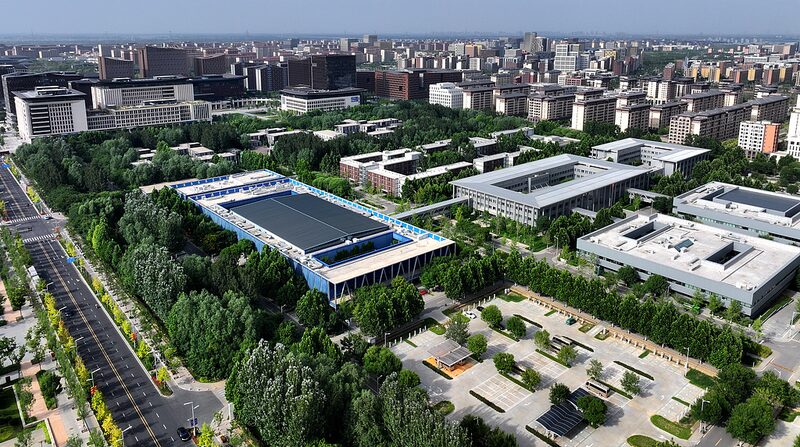
Through the Belt and Road Initiative's Green Development Partnership, launched in January 2026, China is sharing energy transition expertise with 17 participating countries. Recent agreements include smart city development in Southeast Asia and desertification control projects along the Silk Road Economic Belt.
Analysts highlight that China's green technology exports grew 22% year-on-year in Q4 2025, signaling growing global demand for sustainable infrastructure solutions. As climate financing mechanisms evolve, Beijing's emphasis on technology-driven ecological management continues to reshape international development paradigms.