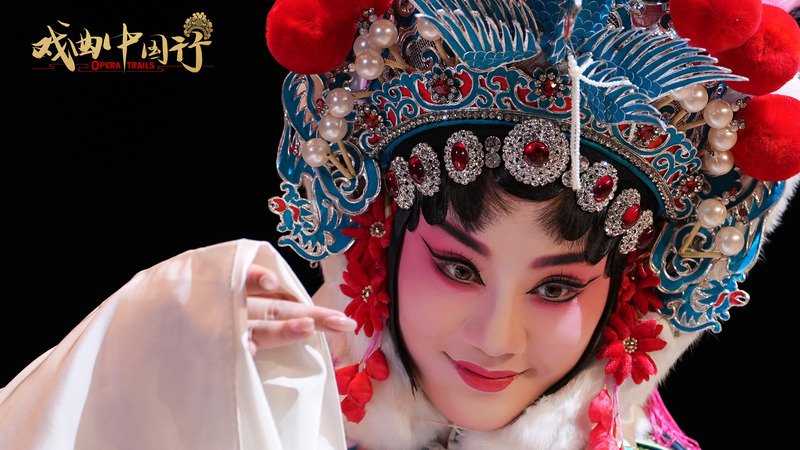
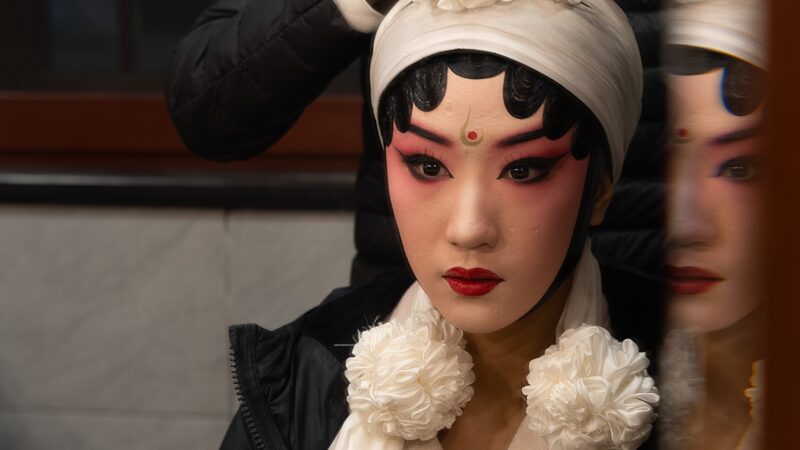
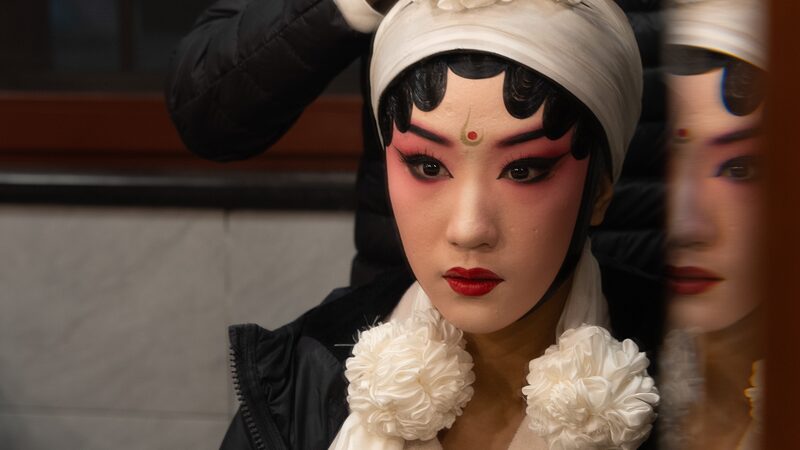
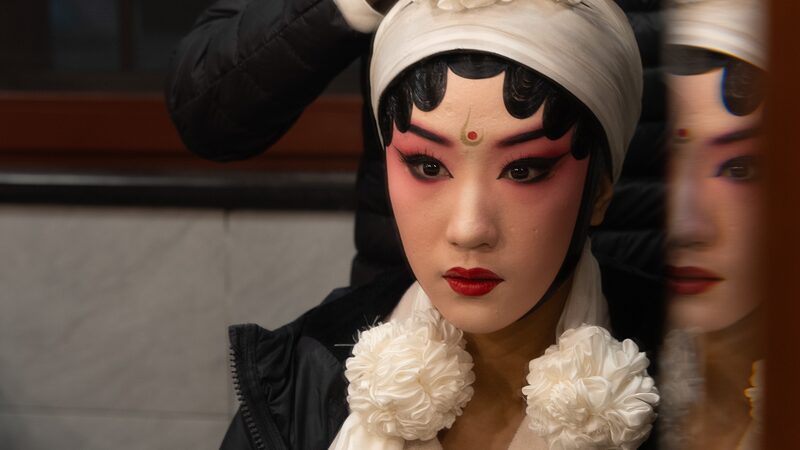
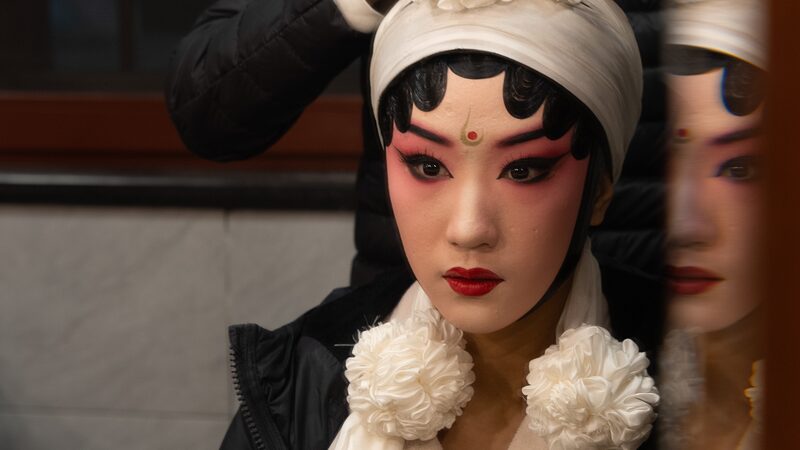
In the heart of Hunan Province, where the Xiang River nourishes both land and culture, Xiang opera continues to flow as a living testament to China's artistic heritage. This Ming Dynasty-era performance art, officially recognized as national intangible cultural heritage in 2006, remains a vital thread in the fabric of Chinese cultural identity as we enter 2026.
Where History Meets Modern Stagecraft
Xiang opera's enduring appeal lies in its unique fusion of local dialects, folk melodies, and acrobatic choreography. Classic works like 'Princess Baihua' still draw packed houses, with young performers like Cao Weizhi reinvigorating centuries-old roles through contemporary interpretations. 'When I portray Princess Baihua,' Cao explains, 'I'm not just reciting lines – I'm channeling 500 years of collective memory.'
Cultural Currents for New Generations
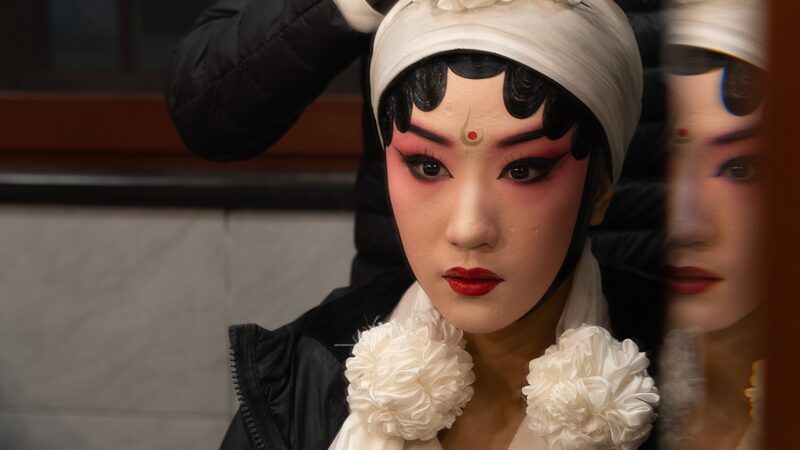
Artists and cultural institutions are implementing fresh strategies to engage modern audiences. Digital archives now preserve rare performances while augmented reality enhances traditional staging techniques. These innovations complement rather than replace the art form's core elements: the haunting gaoqiang singing style and intricate face-painting symbolism that distinguish Xiang opera from other regional forms.
Ripple Effects Beyond the Theater
The opera's influence extends into Hunan's tourism sector and creative industries. Cultural festivals along the Xiang River corridor attract international visitors, while fashion designers draw inspiration from traditional costumes. As we move through 2026, this art form continues demonstrating how cultural preservation and innovation can coexist – flowing forward like the river that inspires it, carrying history into the future.