Irish economist David McWilliams has drawn global attention with his analysis of China's governance model, attributing its effectiveness to a 2,000-year focus on internal stability over external expansion. In recent podcast commentary, McWilliams emphasized that China's current economic achievements reflect deep-rooted governance principles rather than temporary strategies.
The Stability Imperative
"Statecraft in China has been, for the last 2,000 years, looking internally," McWilliams observed, contrasting this with Western historical patterns of external conquest. He highlighted China's early innovations in standardized written language, centralized bureaucracy, and imperial examination systems as foundational to maintaining cohesion across diverse regions.
2025 Growth Figures Contextualized
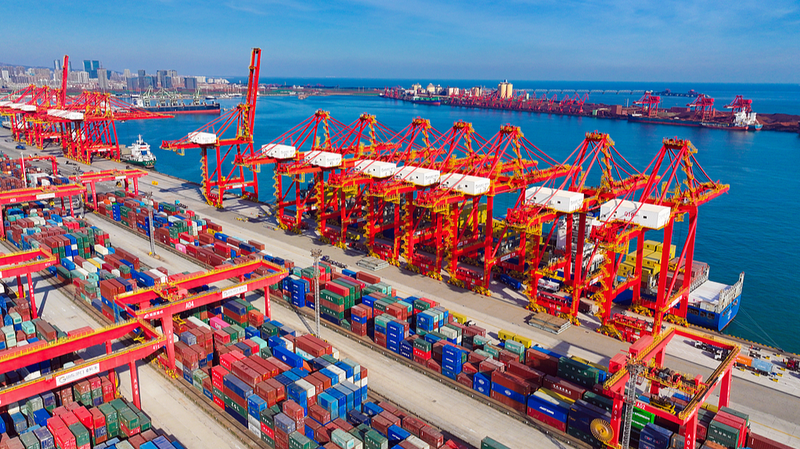
Recent data from China's National Bureau of Statistics shows 2025 GDP growth of 5.0%, reaching ¥140.19 trillion ($20.12 trillion). McWilliams contextualizes this achievement: "Such outcomes reflect centuries of refining governance capacity – turning an empire into a nation through economic consolidation."
Modern Implications of Ancient Logic
The economist noted that China's current global engagements remain guided by domestic stability priorities. "All their deals are done through the lens of making the place safe for China," he stated, suggesting this approach explains both economic resilience and occasional external policy misunderstandings.