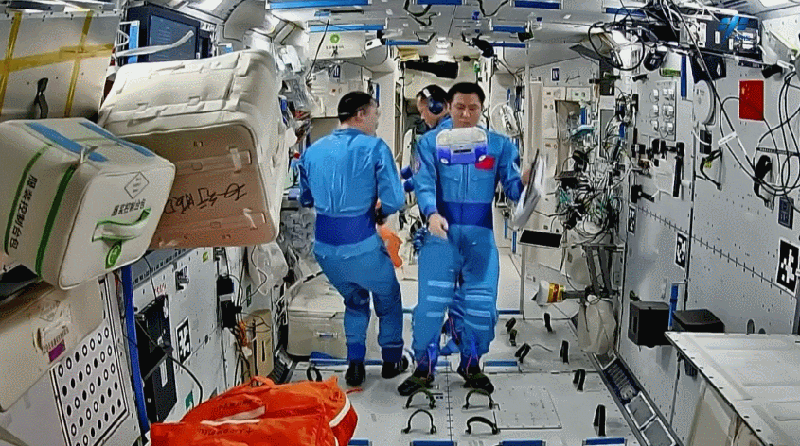
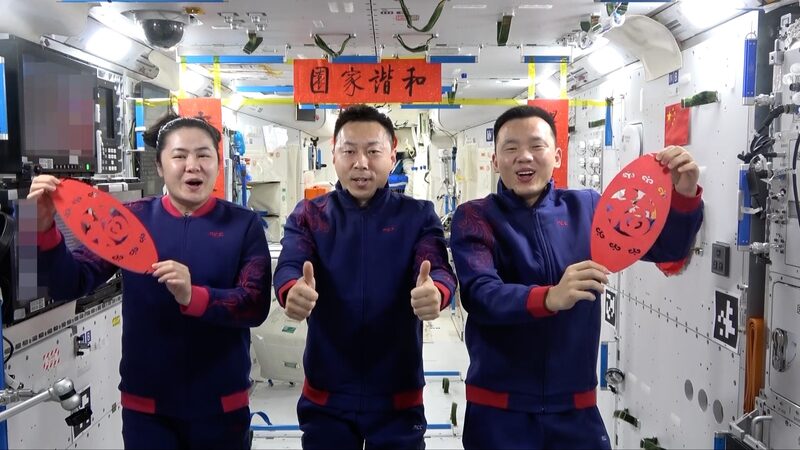
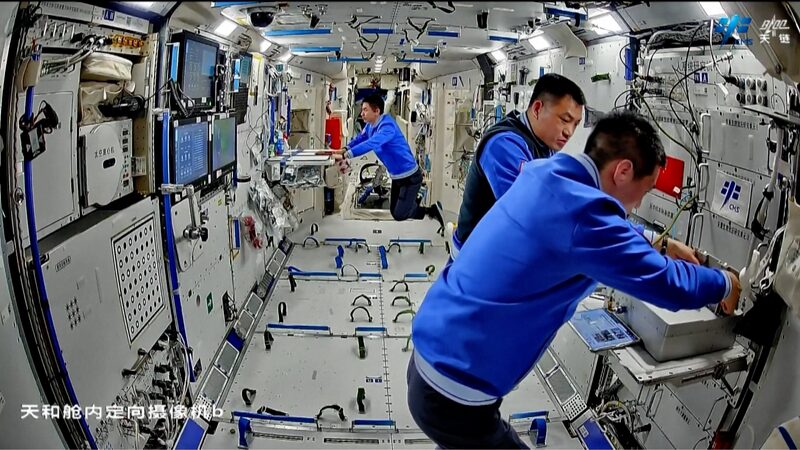
China's Shenzhou-21 crew continues to push boundaries in orbital research, conducting groundbreaking experiments aboard the nation's space station as of January 2026. Commander Zhang Lu and astronauts Wu Fei and Zhang Hongzhang have now spent nearly 80 days in space, maintaining peak physical condition through regular medical checks and exercise routines.
Robotics and Medical Breakthroughs
The team recently completed advanced interaction tests with the 'Xiaohang' intelligent robot, collecting crucial data to optimize autonomous operations in microgravity. In parallel, they've employed cutting-edge Raman spectroscopy technology to analyze metabolic components in biological samples, potentially revolutionizing our understanding of human physiology in space environments.
Genetic and Physics Research
Pioneering experiments on genetic code origins and molecular chirality could reshape fundamental biological theories. The crew simultaneously progressed microgravity physics studies, conducting electrochemical optical experiments on next-generation lithium-ion batteries for space applications.
Operational Excellence
Recent station maintenance included upgrading combustion science equipment and fluid physics modules. A comprehensive pressure emergency drill tested crew readiness and ground coordination, demonstrating enhanced response capabilities for potential critical scenarios.
All collected experimental samples will undergo Earth-based analysis following the crew's scheduled return, with findings expected to influence future space missions and terrestrial technological developments.