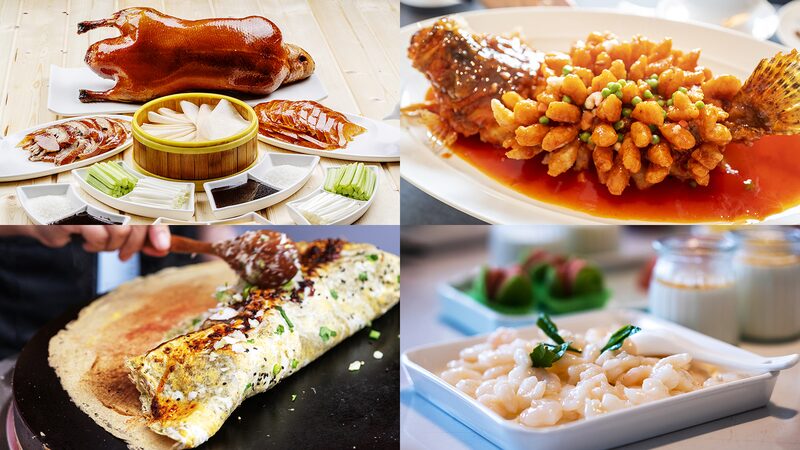
In a fusion of culinary heritage and cutting-edge technology, researchers at China Agricultural University are revolutionizing Peking Roast Duck production through advanced agricultural science. Their secret weapon? CT scanners traditionally reserved for medical diagnostics now analyze duck carcasses with millimeter precision, measuring fat distribution and muscle quality to meet exacting culinary standards.
The team's data-driven approach combines 3D imaging with genetic analysis and AI-powered growth monitoring, creating ducks with 41.8% breast meat yield and ideal subcutaneous fat layers. These scientifically optimized birds now supply 90% of the Chinese mainland's premium Peking Duck market, satisfying both traditional flavor expectations and modern efficiency demands.
From incubation to roasting, every stage undergoes rigorous scientific scrutiny. Specialized feed formulas enhance umami compounds while maintaining lean muscle mass, and blockchain technology tracks each duck's journey from farm to restaurant. This year, researchers are collaborating with master chefs to digitally map ideal roasting parameters based on real-time thermal imaging data.
While preserving centuries-old culinary traditions, this agricultural innovation addresses growing global demand. As Peking Duck gains international popularity, these scientific methods ensure consistent quality while maintaining annual production growth of 12% since 2023. The project leader notes: 'We're writing a new chapter where technology enhances rather than replaces tradition.'