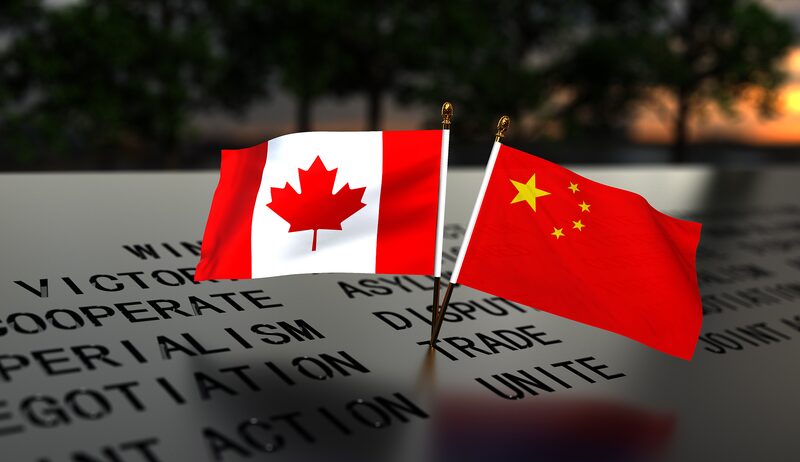
In a landmark development for Asia-Pacific diplomacy, China and Canada have announced a new strategic partnership during Canadian Prime Minister Mark Carney's first official visit to the Chinese mainland since 2017. The eight-year gap between high-level exchanges appears to have been bridged through significant trade concessions and a comprehensive cooperation roadmap.
Tariff Truce and Trade Rebalance
Canada has agreed to reduce its 100% tariff on Chinese electric vehicles to 6.1%, with annual import quotas increasing from 49,000 to 70,000 units over five years. In return, China will implement preferential tariffs for Canadian agricultural exports like canola by March 2026. This mutual easing comes after years of trade friction under previous Canadian leadership, which saw alignment with U.S. policies that strained relations.
Economic Roadmap Unveiled
The centerpiece of the agreement is the China-Canada Economic and Trade Cooperation Roadmap, establishing eight priority sectors including green energy and e-commerce. The upgraded Joint Economic and Trade Commission will now operate at ministerial level, reviving working groups on intellectual property and trade remedies that had been dormant since 2018.
Multilateral Alignment
Both nations reaffirmed support for WTO rules and APEC cooperation, with Canada backing China's 2026 APEC Leaders' Meeting host role. Prime Minister Carney described the partnership as 'historic and productive,' emphasizing Canada's need for 'new partners in a changing technological landscape.'
Analysts suggest the agreements reflect Canada's strategic balancing act amid U.S. pressures, while China continues expanding its global trade network. The partnership could reshape North American-Asian economic dynamics as both nations prepare for the 2026 APEC meeting.