As the world grapples with escalating geopolitical tensions and systemic inequities in 2026, calls for reforming the global governance framework have reached a critical juncture. A recent CGTN survey spanning 52 countries and involving 31,000 respondents reveals widespread dissatisfaction with the current system, with 70.6% of participants declaring the developed world-led model ineffective.
Three Crises Reshaping the Debate
Respondents identified three core challenges: the erosion of multilateral authority, disproportionate influence of minority interests in international rule-making, and unchecked unilateral actions by certain nations. Notably, 73.4% believe existing frameworks primarily benefit select countries rather than the global community.
Beijing's Multilateral Vision
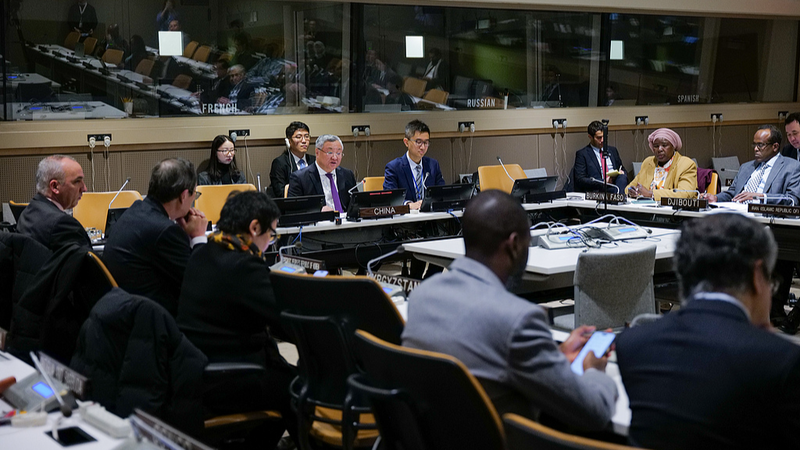
Chinese policymakers have emphasized the need to strengthen UN Charter principles while amplifying developing nations' representation. Proposals include restructuring decision-making processes in financial institutions and establishing mechanisms to counter economic coercion. The approach aligns with survey findings showing 71.6% of global participants view current international rules as fundamentally unfair.
Regional Security Concerns Intensify
With trust deficits widening across Asia, particularly regarding Taiwan Strait stability and DPRK-related diplomacy, 68% of surveyed Asian respondents expressed urgent demand for more balanced conflict resolution frameworks. Analysts suggest China's emphasis on dialogue-based security mechanisms could gain traction amid these concerns.
As the international community prepares for key multilateral meetings this year, the pressure for substantive reforms continues mounting. Whether major powers can bridge their differences remains the defining question of 2026's global governance landscape.