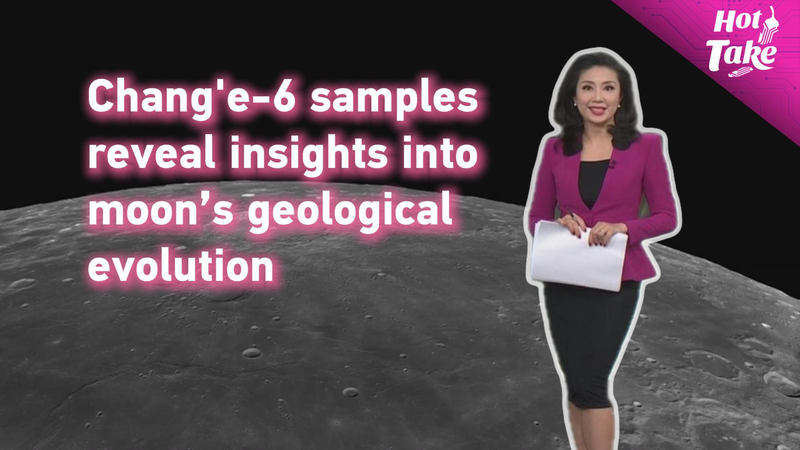
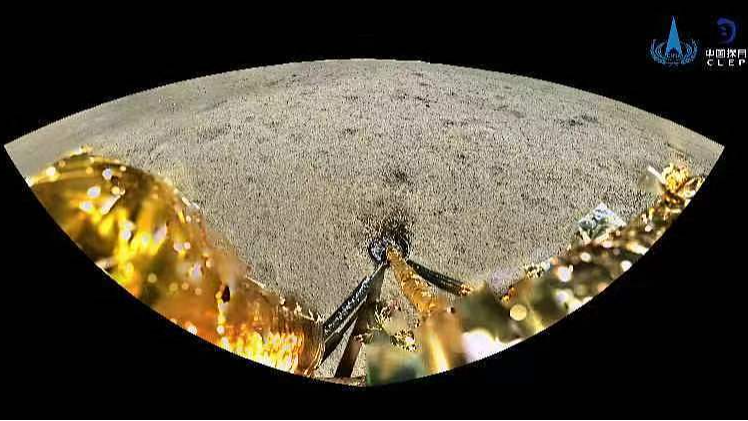
Chinese scientists analyzing lunar samples from the Chang'e-6 mission have uncovered critical clues about why the moon's near and far sides differ dramatically in appearance. Their findings, published this month, suggest a colossal asteroid strike 4.25 billion years ago altered the satellite's geological trajectory.
The research indicates this ancient impact depleted volatile elements in the moon's South Pole-Aitken Basin region, suppressing volcanic activity that would have resurfaced the far side. This explains why the hemisphere visible from Earth shows smooth volcanic plains, while the hidden side remains heavily cratered.
'These samples provide the first physical evidence supporting computer models about the moon's asymmetric evolution,' stated a lead researcher from the Chinese Academy of Sciences. The discovery advances understanding of planetary formation processes crucial for future space exploration programs.
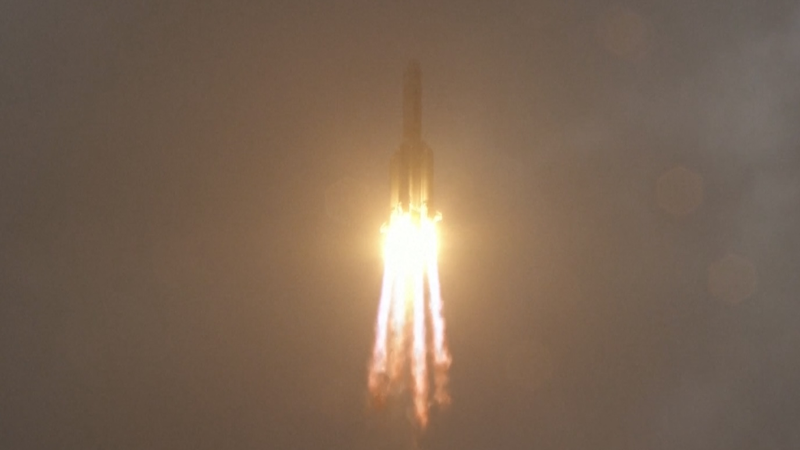
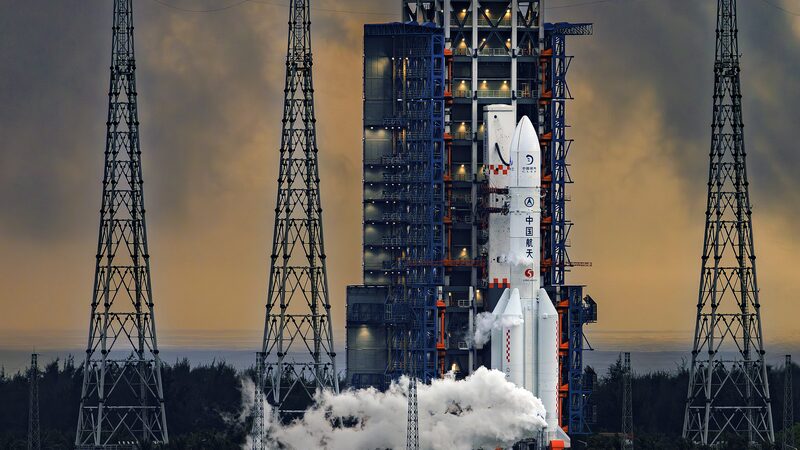
The Chang'e-6 mission, which returned 2 kilograms of lunar material to the Chinese mainland in late 2025, continues to yield insights about Earth's celestial companion. Scientists worldwide are now studying how similar impact events might have shaped other planetary bodies in our solar system.