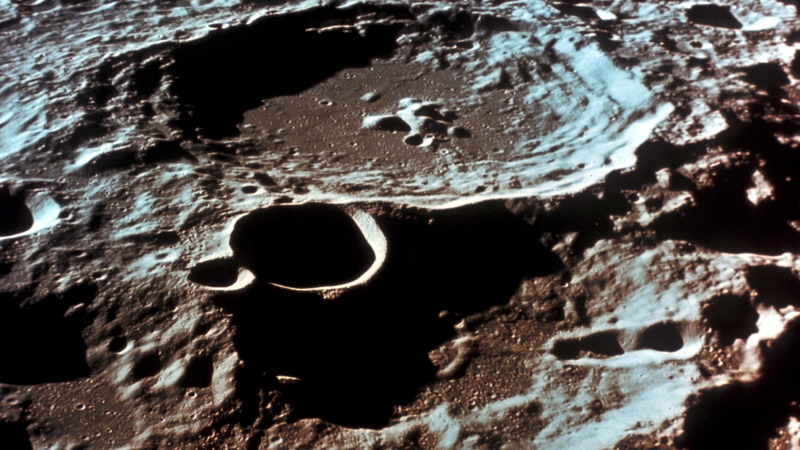
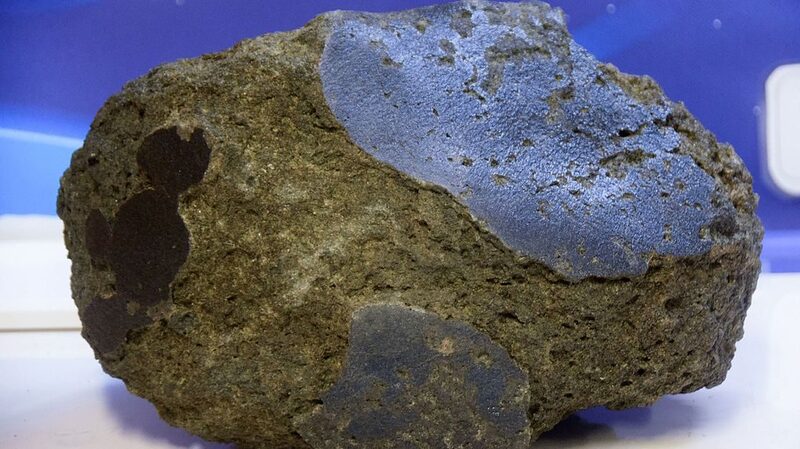
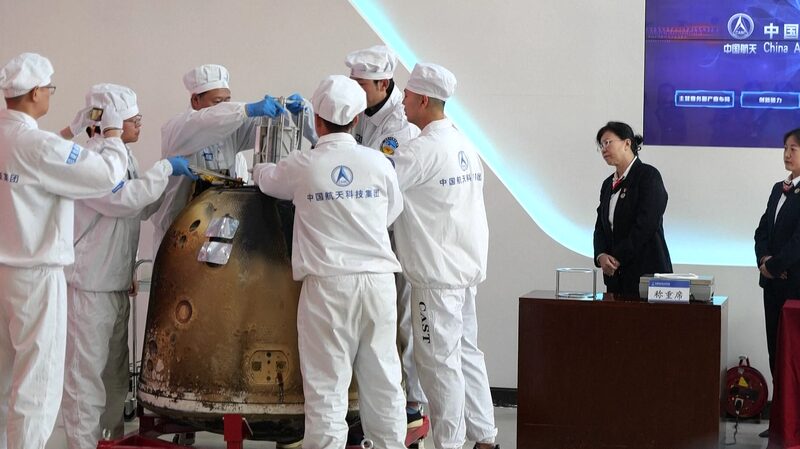
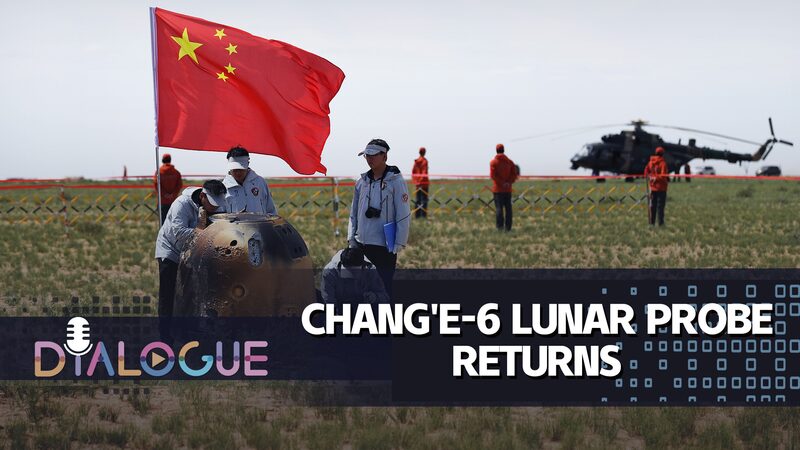
A groundbreaking study led by researchers from the Chinese Academy of Sciences has uncovered how a colossal asteroid impact shaped the moon's geological history. Published in the Proceedings of the National Academy of Sciences on Tuesday, the research analyzes volcanic rocks collected by China's Chang'e-6 mission from the South Pole-Aitken Basin – the solar system's largest known impact crater.
The team discovered unusually heavy potassium isotope signatures in lunar basalts, suggesting massive volatile loss from the moon's mantle during the cataclysmic collision that formed the basin. This finding provides critical insights into why the moon's familiar near side and mysterious far side exhibit stark differences in volcanic activity and surface composition.
Dr. Tian Hengci's team demonstrated that the extreme heat and pressure from the impact preferentially vaporized lighter potassium isotopes, leaving behind heavier variants. This process not only altered the moon's chemical profile but may have suppressed subsequent volcanic eruptions on the far side, explaining why 70% of lunar lava flows occur on the Earth-facing hemisphere.
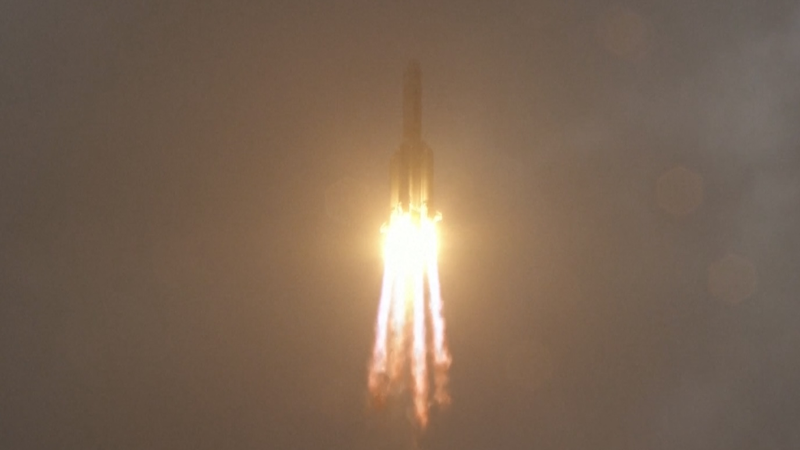
The research leverages China's growing capabilities in lunar exploration, with Chang'e-6 providing the first direct evidence of mantle material altered by ancient cosmic collisions. These findings help planetary scientists better understand how violent impacts shaped not just the moon's surface, but its internal evolution over billions of years.