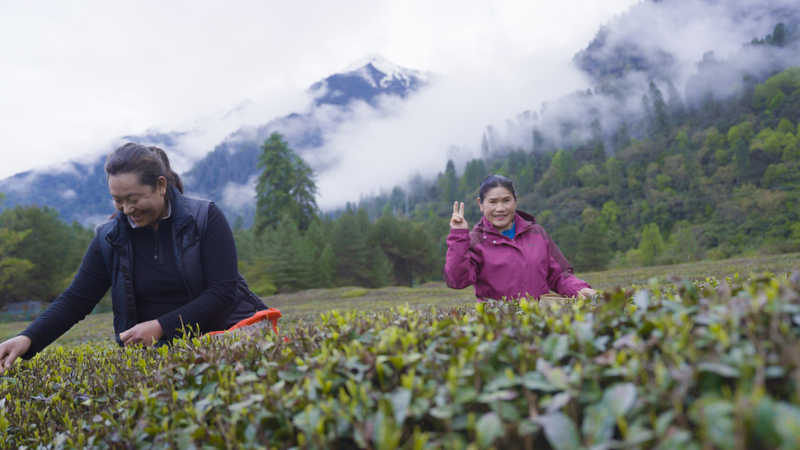
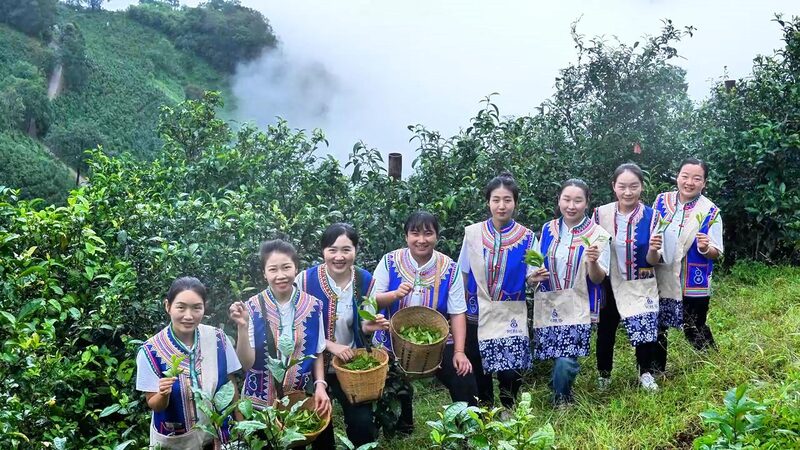
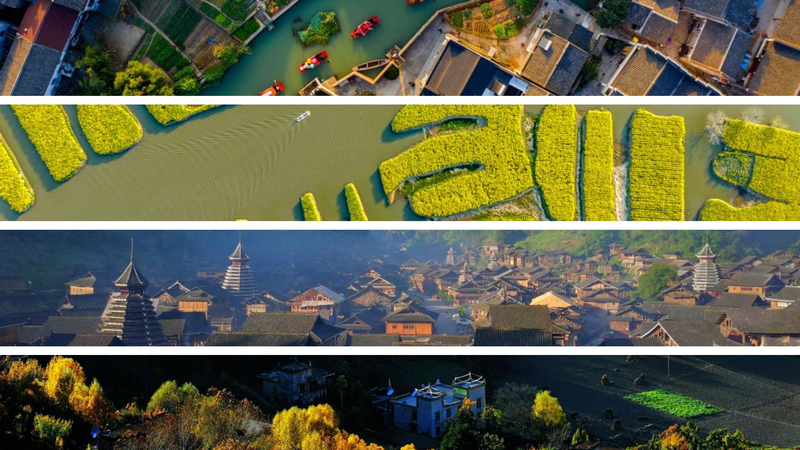
Beijing's rural areas are emerging as unexpected leaders in China's agricultural leisure tourism sector, blending traditional culture with modern economic strategies to attract visitors in 2026. Local villages have transformed ancestral practices into immersive experiences, from seasonal harvest festivals to handicraft workshops, creating a new model for sustainable rural development.
Qiu Xiuli, author of Jing Hua Xiang Qing, notes: "These communities are rewriting their futures by honoring their past. By preserving centuries-old customs while improving infrastructure, they're achieving both cultural preservation and economic vitality." Her research highlights how tea ceremonies in Mentougou District and paper-cutting traditions in Miyun have become major tourist draws this year.
The strategy appears successful, with rural tourism revenue growing 18% year-on-year in 2026. Over 40 villages now offer homestays featuring traditional architecture and locally sourced meals, appealing to both domestic travelers and international visitors seeking authentic cultural experiences.
This development aligns with broader efforts to revitalize China's countryside while maintaining ecological balance. Tourism authorities report increased interest in agricultural education programs, where urban visitors participate in planting rituals and food preservation techniques passed down through generations.