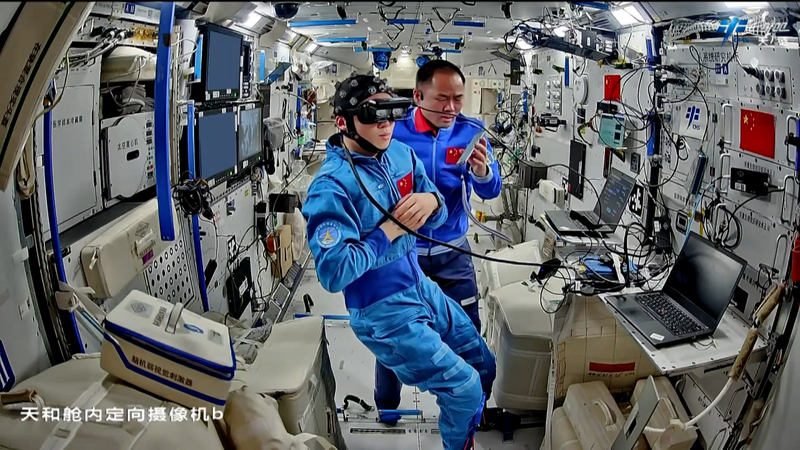
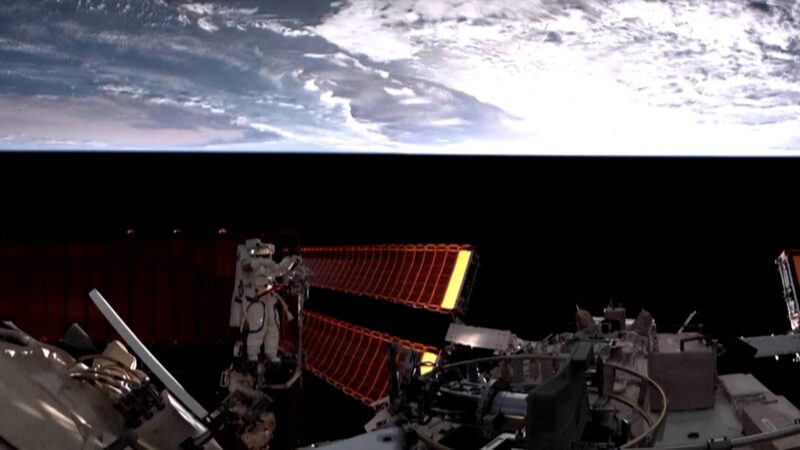
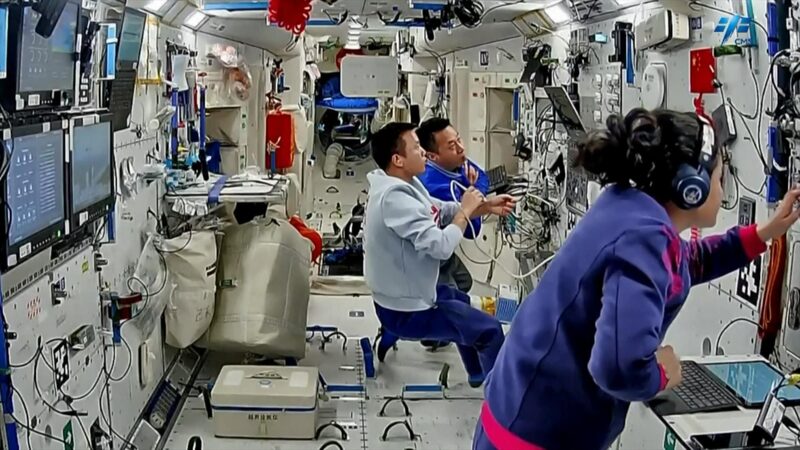
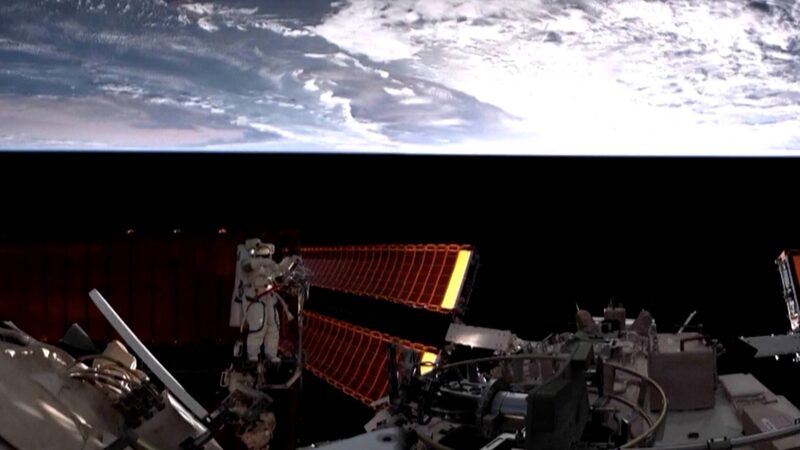
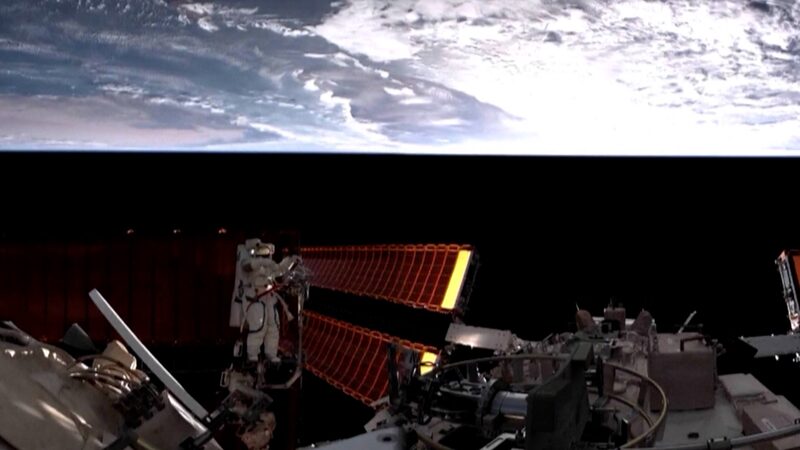
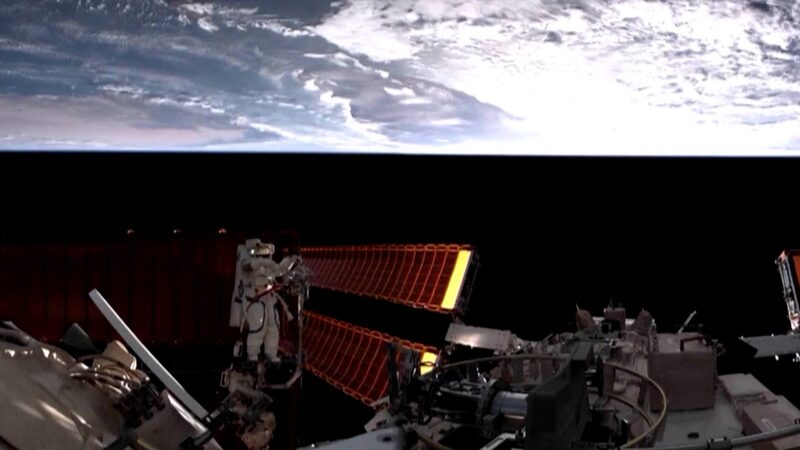
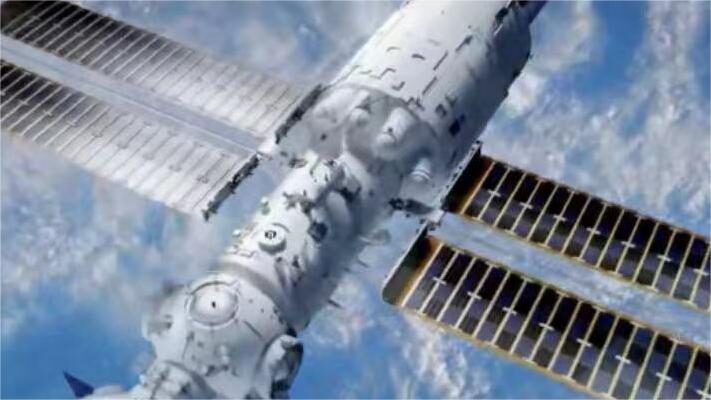
The Shenzhou-21 crew continues to redefine space habitation in 2026, transforming China's orbiting laboratory into a proving ground for human resilience. Currently conducting simultaneous scientific research and critical safety drills, the trio recently completed emergency simulations that could determine the future of long-term space missions.
Emergency Readiness in Extreme Conditions
During a January 11 operational update, mission controllers revealed astronauts practiced rapid module evacuation through a simulated fire scenario. The crew also mastered manual spacecraft docking procedures – vital skills for maintaining station operations during potential system failures. Medical response drills tested their ability to stabilize crew members in pressurized suits amid sudden cabin depressurization alerts.
Science Beyond Survival
Between safety exercises, the team progresses with neurological experiments analyzing cognitive adaptation to extended microgravity exposure. These studies aim to develop countermeasures for mental fatigue during prolonged missions. Biological research includes protein crystallization trials that could advance pharmaceutical development both in orbit and on Earth.