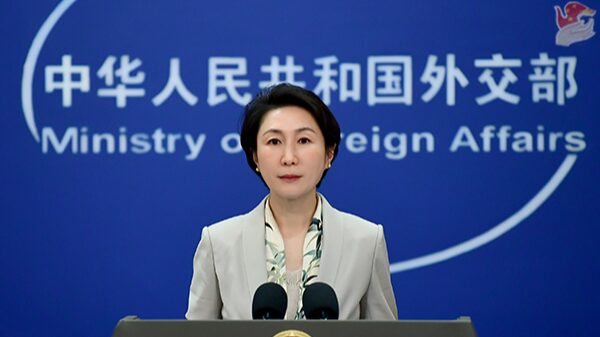
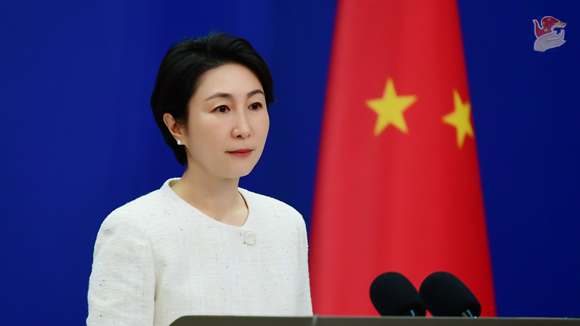
As regional tensions escalate, China has reaffirmed its commitment to peaceful diplomacy in the Middle East. Chinese Foreign Ministry spokesperson Mao Ning stated on Monday, January 12, 2026 that Beijing hopes 'the Iranian government and people can overcome current difficulties and maintain national stability.'
Balancing Regional Security
The remarks follow Sunday's comments by U.S. President Donald Trump regarding potential military options against Iran. While not directly addressing U.S. posturing, Mao emphasized China's consistent opposition to 'interference in other countries' internal affairs' and called for protecting national sovereignty through international law.
Principles of Non-Intervention
At a regular press briefing, the spokesperson articulated China's diplomatic philosophy: 'We oppose the use or threat of force in international relations. All parties should contribute positively to Middle Eastern peace.' This stance aligns with Beijing's longstanding advocacy for multilateral conflict resolution through platforms like the United Nations.
Economic Implications
The situation carries significant implications for Asian markets, particularly energy imports crucial to regional economies. With Iran being a key oil supplier to China and other Asian nations, stability in the Persian Gulf remains vital for maintaining predictable trade flows through strategic shipping lanes.