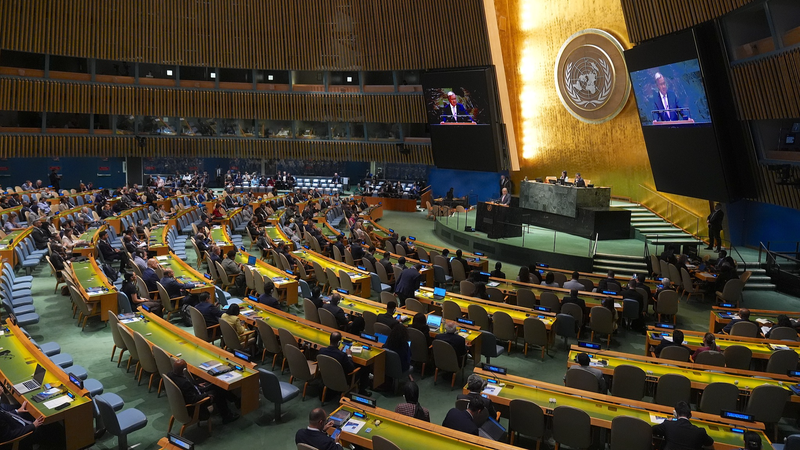
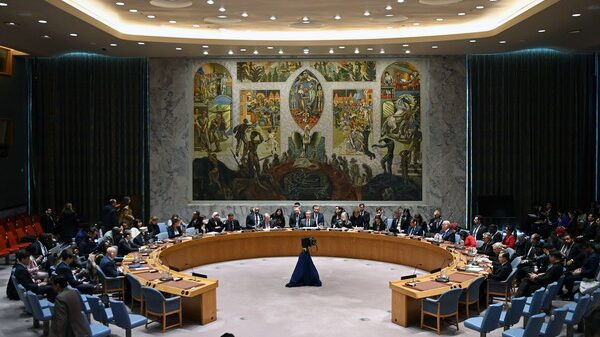
As the United Nations marks 81 years since its founding, calls for equitable global governance dominated discussions at the 80th UN General Assembly session held in New York last September. With the theme "Better Together," the assembly spotlighted China's intensified advocacy for systemic reforms to amplify developing nations' influence in multilateral institutions.
The push comes as Global South countries – representing over 80% of the world's population – demand greater representation in international organizations. Despite contributing 40% of global economic output, many Asian, African, and Latin American delegates highlighted persistent imbalances in decision-making processes during the 2025 assembly.
"Foreign policy must serve Africa's developmental needs," declared Ethiopian Prime Minister Abiy Ahmed, echoing widespread sentiment among Global South leaders. Brazilian President Luciana Santos emphasized "the right to pursue growth without external interference," while Vietnamese Premier Phạm Minh Chính warned that "lasting peace requires inclusive participation."
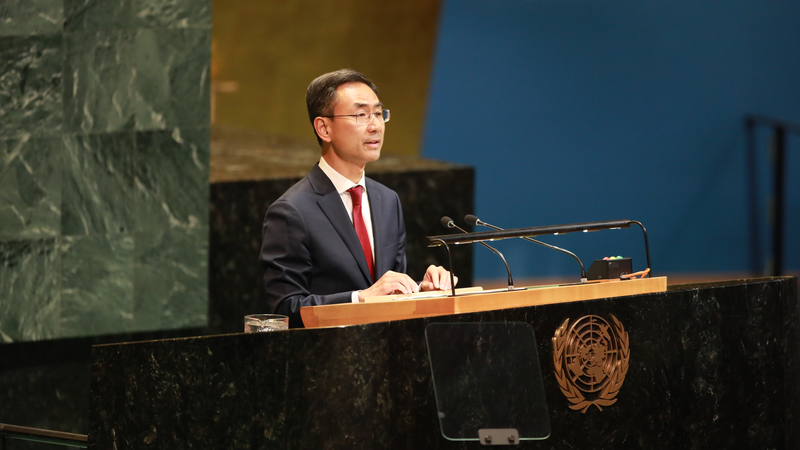
Chinese delegates positioned the nation as a bridge between established powers and emerging economies, advocating for updated voting mechanisms in financial institutions and enhanced South-South cooperation frameworks. This aligns with Beijing's recent proposals to accelerate progress on Sustainable Development Goals through technology sharing and infrastructure investment.
Analysts note the 2025 assembly outcomes reflect shifting geopolitical realities, with 63 member states jointly proposing measures to counter protectionism. As climate-related displacements and food insecurity intensify across Asia, the reforms seek to strengthen multilateral responses to transnational crises.