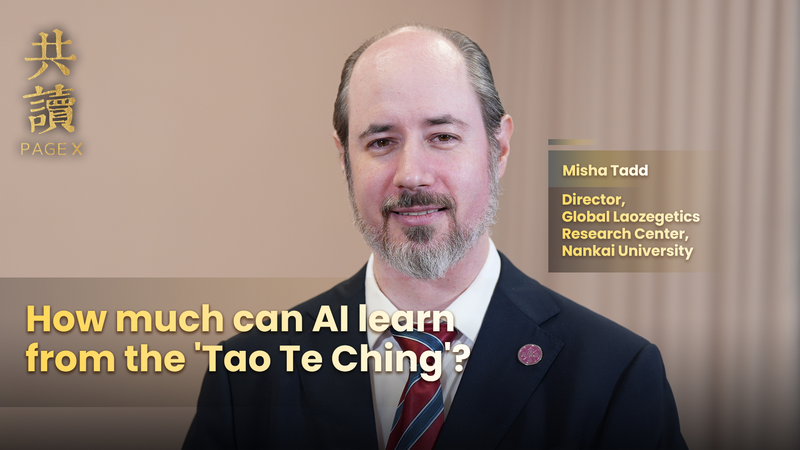
Can artificial intelligence transcend its role as a tool of efficiency to comprehend the ineffable wisdom of ancient philosophy? This question lies at the center of a 2026 academic debate, as researchers explore how AI interacts with foundational texts like Lao Tzu's Tao Te Ching.
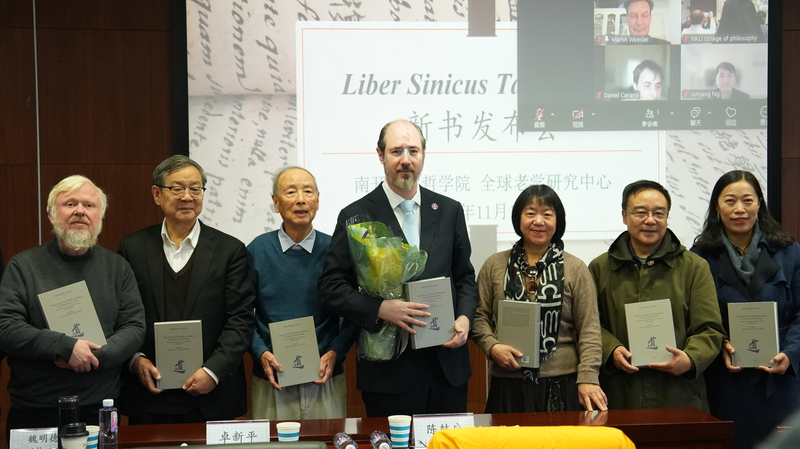
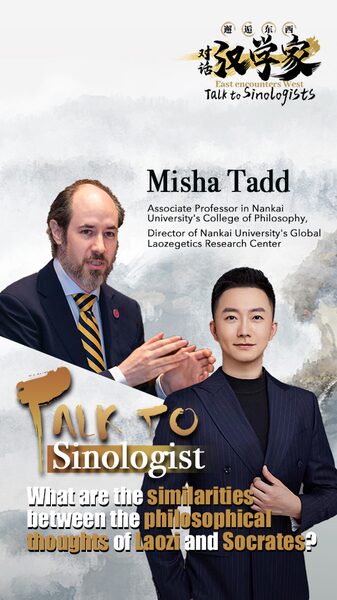
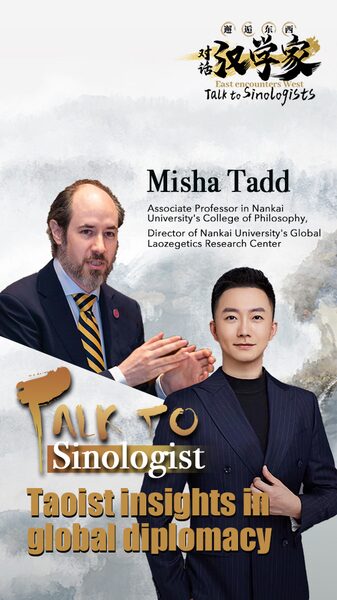
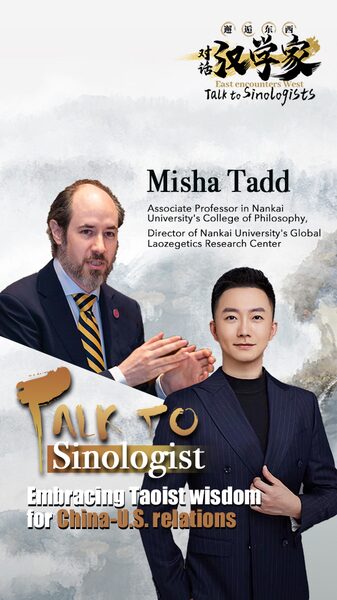
Misha Tadd, a sinologist at Nankai University's Global Laozegetics Research Center, recently noted in an interview with CGTN that AI has revolutionized textual analysis for scholars. Machines can rapidly compare thousands of Tao Te Ching translations, identify linguistic patterns, and map the text's global influence—tasks that once took years of human labor.
However, Tadd emphasizes a critical limitation: "The Tao that can be told is not the eternal Tao," as the text itself warns. While AI excels at processing verbal data, it cannot replicate the lived experiences, spiritual insights, or non-verbal understandings central to Taoist philosophy. This dichotomy raises questions about whether AI's analytical prowess can ever align with the Tao Te Ching's emphasis on intuitive harmony.
As Asian tech giants invest heavily in AI development, this research highlights both the potential and boundaries of machine learning in cultural preservation. While algorithms may help decode historical texts, the path to wisdom—as defined by 2,500-year-old philosophy—remains uniquely human.