As shoppers browse glittering jade displays in Shanghai's Nanjing Road boutiques or Beijing's Panjiayuan antique markets this January, they participate in a cultural tradition spanning eight millennia. Jade's enduring significance in Chinese society—from Neolithic ritual blades to contemporary designer pendants—remains vibrantly relevant in 2026.
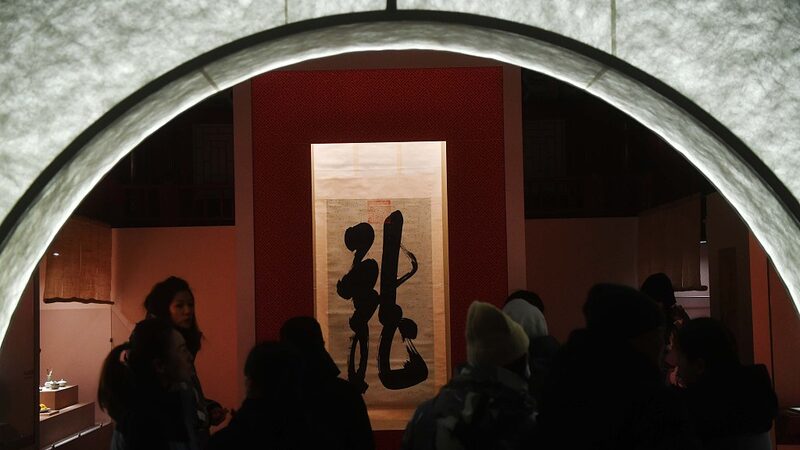
Recent archaeological discoveries displayed at Beijing's Palace Museum reveal how Liangzhu culture artisans (3300–2300 BCE) crafted jade cong tubes and bi discs with precision rivaling modern laser tools. These artifacts, now drawing record crowds at the museum's Eternal Radiance exhibition, demonstrate jade's early role as a medium connecting earthly and spiritual realms.
Contemporary artists like Suzhou-based sculptor Lin Wei are reinterpreting this legacy. His 2026 installation Virtues in Motion, featuring AI-programmed jade drones tracing Confucian principles in flight patterns, merges Xu Shen's ancient 'Five Jade Virtues' with cutting-edge technology. 'Jade isn't frozen in history,' Lin told KhabarAsia. 'It's a living dialogue between our past and future.'
While luxury brands report a 15% year-on-year increase in jade jewelry sales across the Chinese mainland, the stone's cultural weight transcends commerce. This Lunar New Year, families nationwide will exchange jade peony pendants—symbolizing prosperity—while tech startups offer blockchain-certified jade NFTs preserving heirloom designs.
From ritual tombs to digital wallets, jade continues evolving as both artistic medium and cultural touchstone, its toughness mirroring China's unbroken civilizational thread.