Pioneering Aerospace Project Targets Cost-Efficient Space Access
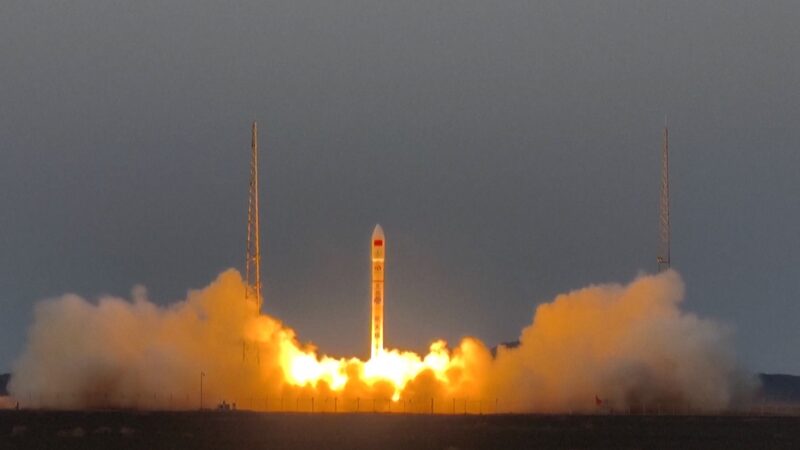
Construction began earlier this week on China's inaugural specialized facility for sea-recovery reusable rockets in Hangzhou, marking a strategic leap in commercial space capabilities. The 5.2 billion yuan ($740 million) complex, developed by private firm Space Epoch, aims to produce 25 medium-to-large liquid-fueled rockets annually by operational completion.
Revolutionizing Launch Economics
Space Epoch founder Wei Yi likened the project's vision to transportation networks: 'Our reusable rockets function as orbital taxis, efficiently transporting satellite constellations like busloads of passengers.' The company's innovative stainless steel and liquid oxygen/methane propulsion system could reduce launch costs from 80,000-100,000 yuan per kilogram to just 20,000 yuan – a 75% reduction enabling more accessible space infrastructure development.
Accelerating Commercial Space Race
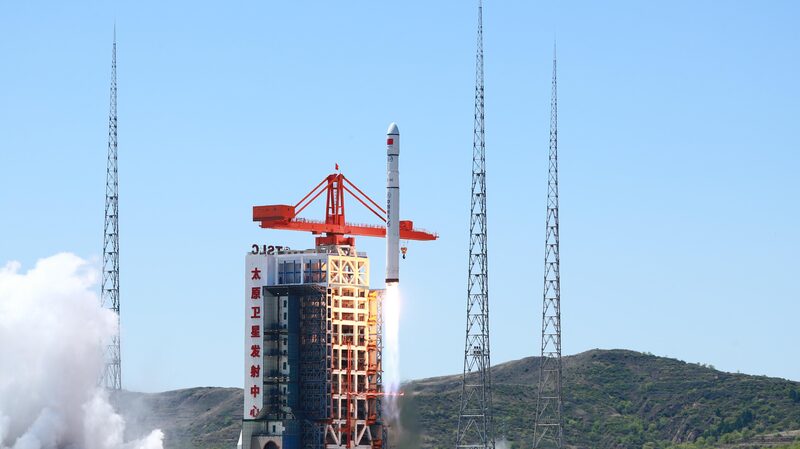
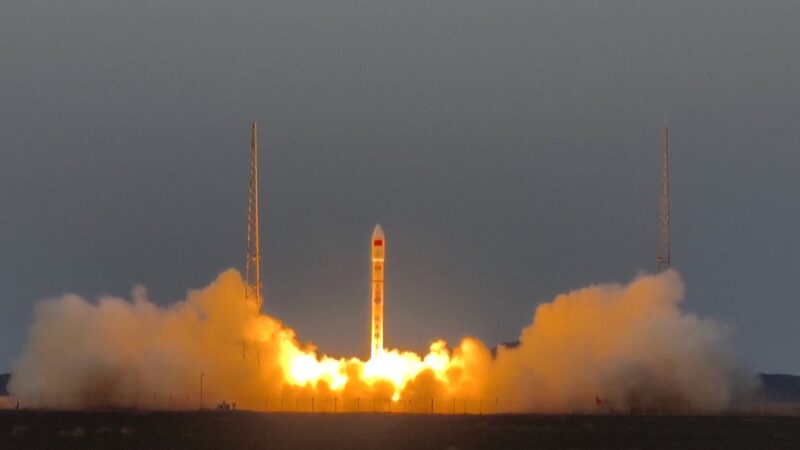
This facility strengthens China's position in the global reusable rocket sector, following multiple technical demonstrations in late 2025. Private firms including LandSpace, Space Pioneer, and Galactic Energy have conducted vertical landing tests and propulsion trials, while state-supported programs like the Long March 12A continue parallel development.
Analysts note the project reflects China's systematic shift from experimental prototypes to industrialized production capabilities. While technical challenges remain, the Hangzhou plant demonstrates growing private-sector capacity to complement national space ambitions.
Global Context
The development occurs as international competitors like SpaceX expand reusable vehicle production. Industry observers anticipate these advancements could reshape satellite deployment strategies and space station logistics through the late 2020s.