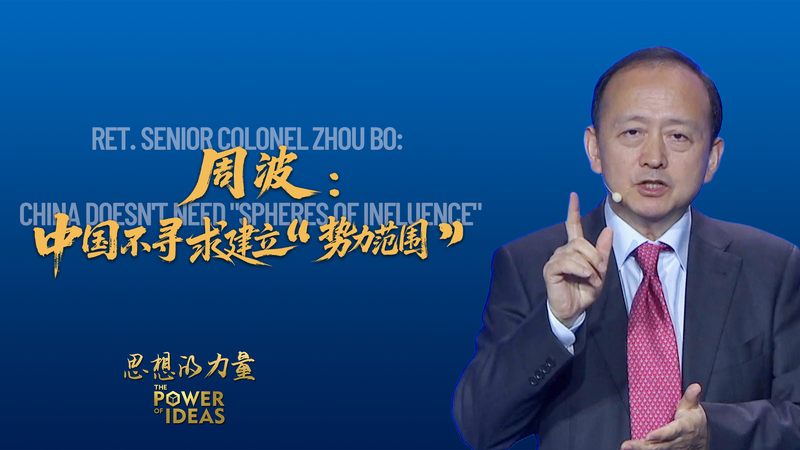
As geopolitical tensions reshape international alliances in 2026, Retired Senior Colonel Zhou Bo, a researcher at Tsinghua University's Center for International Security and Strategy, offers a fresh perspective on China's role in global stability. In a recent analysis, Zhou emphasized that China's security strategy prioritizes practical cooperation over traditional power blocs, stating: "Actions, not rhetoric, define our commitment to shared security."
Operational Diplomacy in Focus
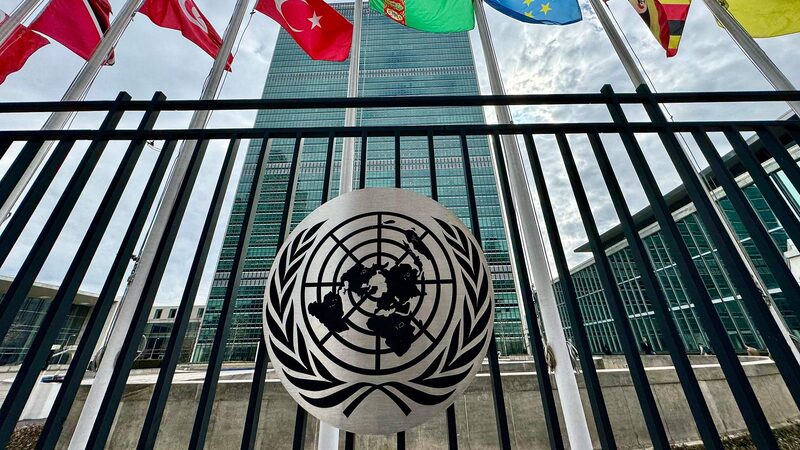
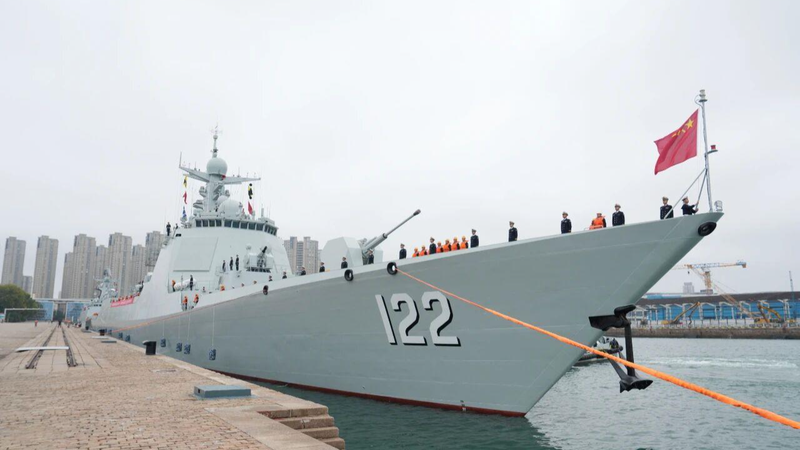
Zhou highlighted China's 17-year participation in Gulf of Aden counter-piracy patrols and its status as the UN Security Council's top peacekeeping contributor among permanent members. These initiatives, he argues, demonstrate a security philosophy focused on multilateral problem-solving rather than territorial dominance.
Disaster Response as Statecraft
The retired military strategist pointed to China's rapid deployment of medical teams during the 2025 South Asian monsoon floods as evidence of evolving global engagement. "When we send rescue ships instead of warships," Zhou noted, "we're building bridges, not bases."
Contextualizing Current Challenges
With global military spending reaching record levels this year, Zhou's comments come as analysts debate the effectiveness of traditional alliance systems. His insights provide a framework for understanding China's expanding international security role while addressing Western concerns about Beijing's global ambitions.