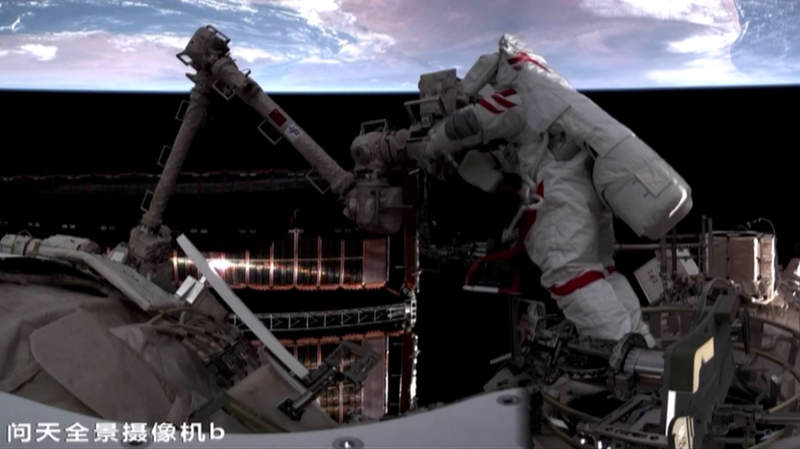
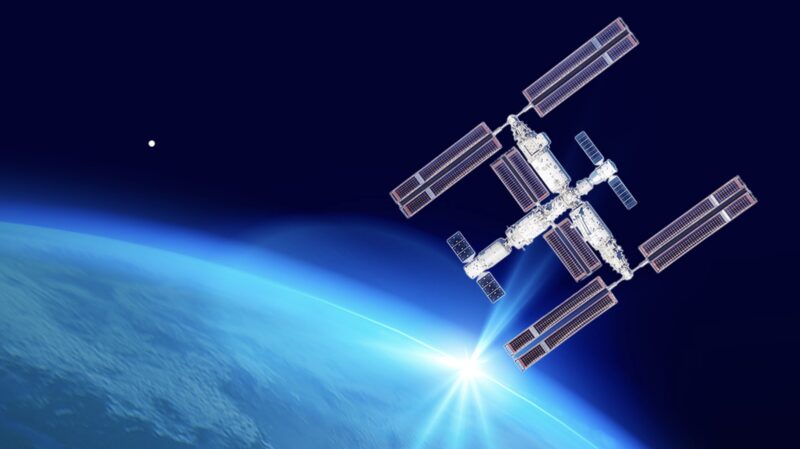
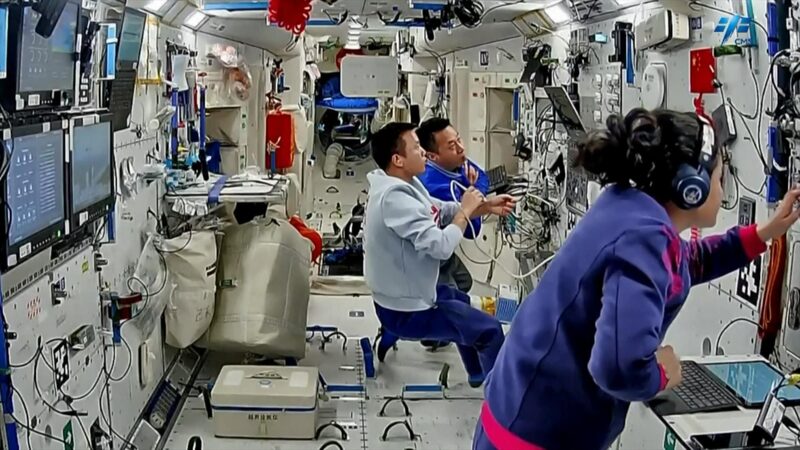
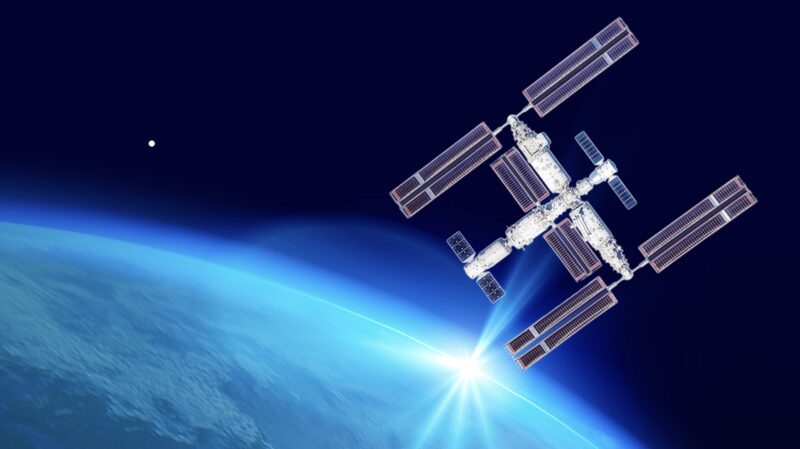
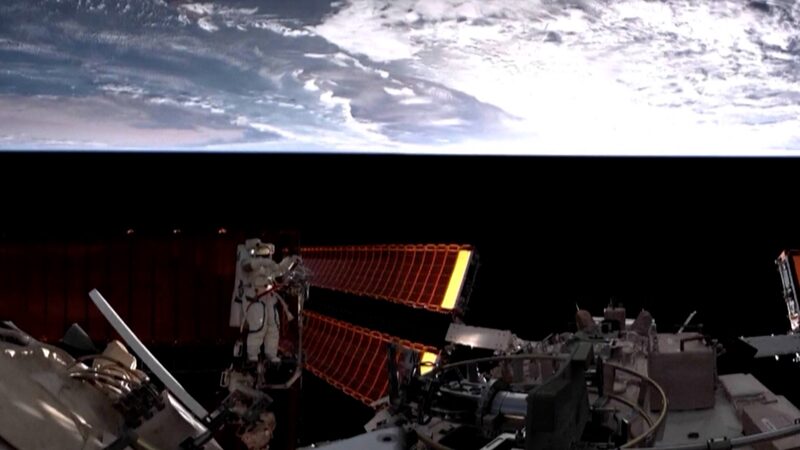
The China Manned Space Agency released its 2025 annual work summary today, revealing unprecedented progress in orbital scientific research that positions China's space station as a hub for cutting-edge cosmic exploration. The comprehensive report documents 33 landmark achievements across critical domains, marking significant strides in humanity's off-Earth capabilities.
Pioneering Research in Hostile Environments
Space life science experiments yielded groundbreaking insights into cellular behavior and plant growth under microgravity conditions, with potential applications for long-duration crewed missions. Researchers successfully cultivated multiple generations of rice in orbit, a crucial step toward sustainable deep-space habitation.
Microgravity Physics Advancements
Breakthroughs in fluid dynamics and material science included the creation of ultra-stable experimental platforms, enabling precision measurements impossible on Earth. These developments promise revolutionary applications in semiconductor manufacturing and pharmaceutical research.
Next-Generation Space Technologies
The report highlights successful tests of advanced robotic systems and in-orbit manufacturing techniques, significantly reducing reliance on Earth-based resupply missions. A new class of radiation-resistant alloys developed aboard the station could transform spacecraft design.
With the Tiangong station now entering its operational prime, international collaboration proposals for 2026 experiments are under review, potentially expanding its role in global space research initiatives.