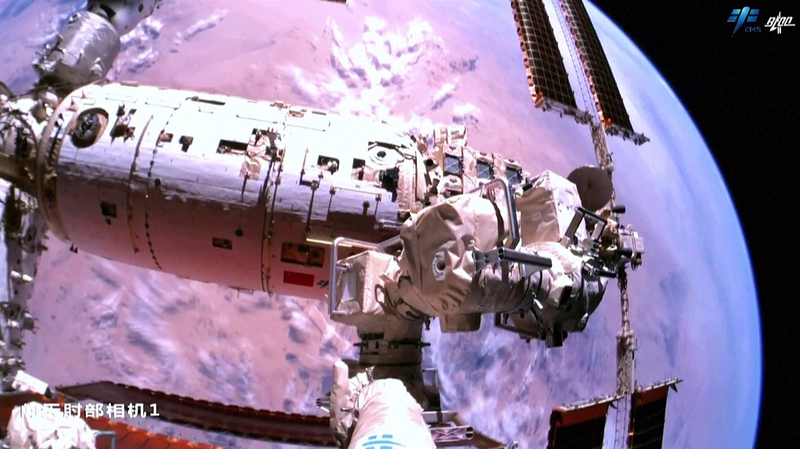
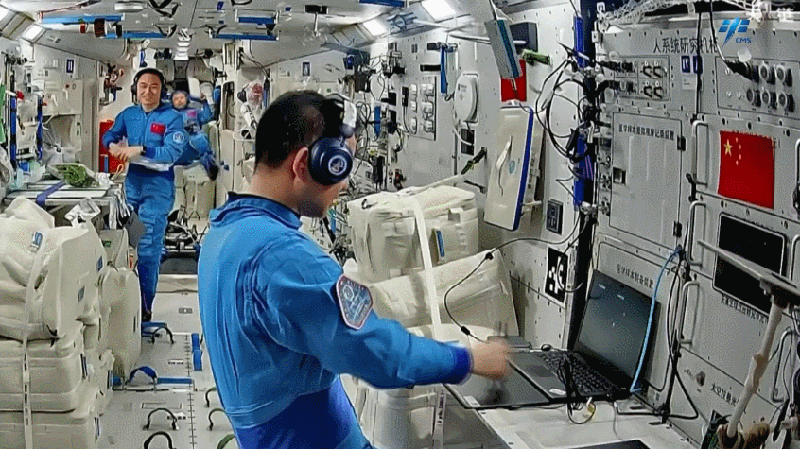
China’s Tiangong Space Station solidified its role as a hub for cutting-edge research last year, with the Technology and Engineering Center for Space Utilization (CSU) reporting significant advancements across multiple scientific disciplines throughout 2025. These developments position the orbital laboratory as a critical platform for humanity’s understanding of space-enabled technologies.
Expanding Frontiers in Microgravity
The station’s upgraded experimental modules now support 27 permanent research facilities spanning life sciences, fluid physics, and materials engineering. Breakthroughs in protein crystallization experiments conducted in 2025 have already shown potential applications for targeted drug development.
Cross-Border Collaboration Accelerates
Nine international projects from 17 countries were completed aboard Tiangong last year, including a landmark study on plant growth cycles in lunar-like conditions. 'Our open approach to space science continues to yield transformative results,' stated CSU Director Li Wei during a January 7 briefing.
Roadmap for 2026
With core modules fully operational, Chinese space authorities plan to prioritize quantum communication trials and advanced radiation shielding tests this year. The program’s success underscores Asia’s growing influence in shaping humanity’s off-world future.