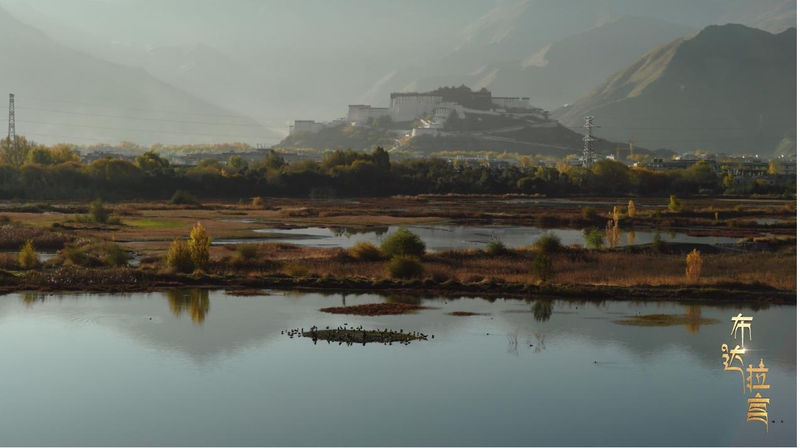
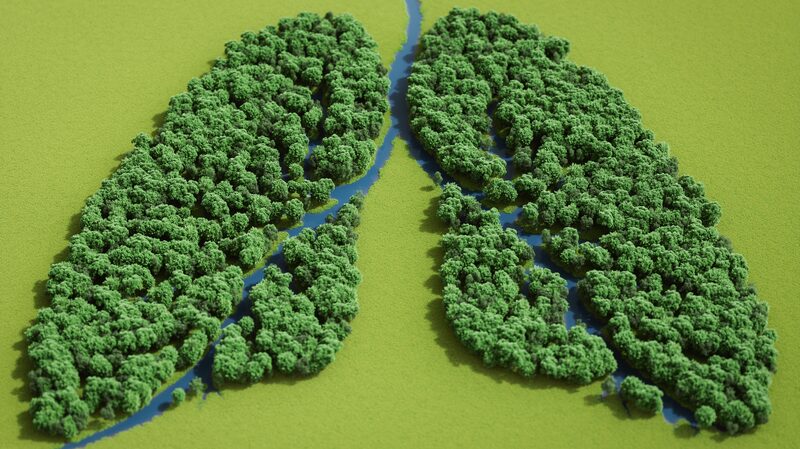
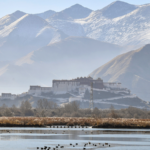
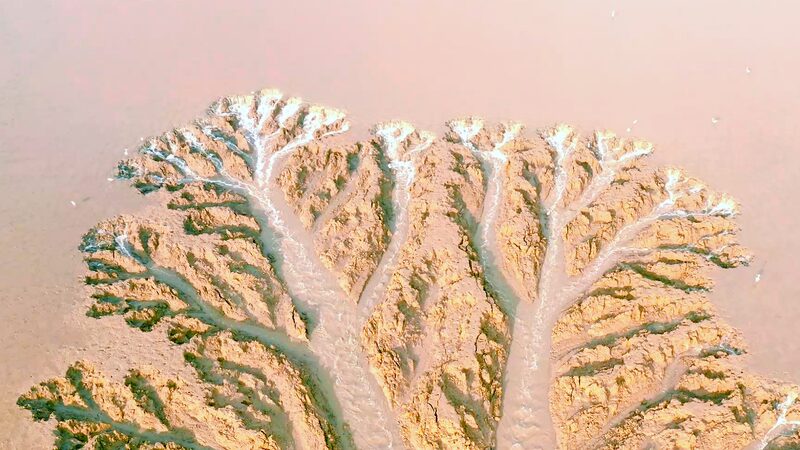
Nestled in northwestern Lhasa at a breathtaking 3,600 meters above sea level, the Lhalu Wetland remains a critical ecological asset for Asia's highest-altitude capital. Spanning 12 square kilometers, this urban natural wetland has served as the "Lung of Lhasa" since its 2005 designation as a national-level nature reserve, with restoration efforts now entering their third decade.
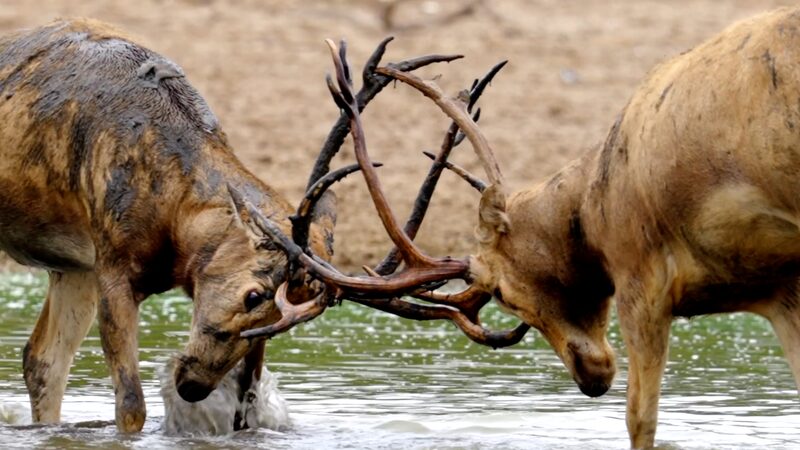
Authorities report sustained progress in balancing urban development with ecological preservation. Advanced water management systems and native vegetation replanting initiatives have increased biodiversity by 18% since 2020, according to recent environmental assessments. The wetland currently hosts 62 bird species, including the endangered black-necked crane, while acting as a natural carbon sink for the growing city.
This year, researchers are deploying AI-powered monitoring tools to track microclimate changes, reflecting Tibet's commitment to climate resilience ahead of China's 2030 carbon neutrality goals. For travelers, newly constructed elevated walkways offer sustainable access to observe the wetland's unique ecosystem without disturbing wildlife.