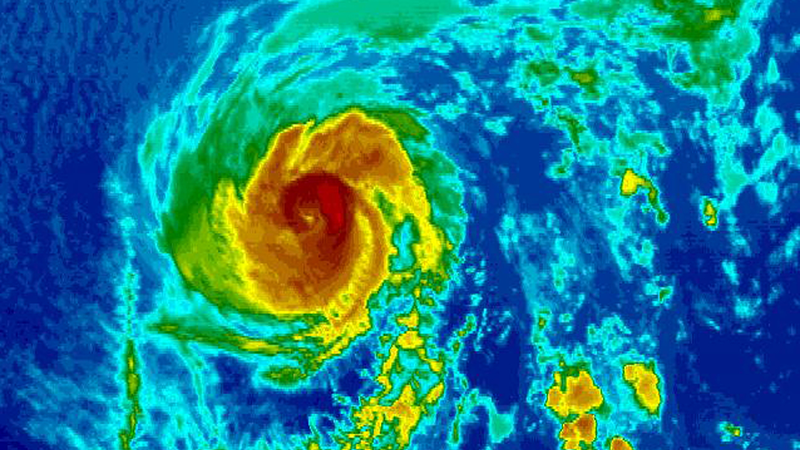
Chinese researchers have unveiled a groundbreaking storm prediction system capable of forecasting severe weather events up to four hours in advance, marking a significant leap in meteorological technology. The innovation, developed through collaboration between the National Satellite Meteorological Center and multiple academic institutions, leverages artificial intelligence and data from China's Fengyun-4 satellite series.
Published this week in the Proceedings of the National Academy of Sciences, the new deep diffusion model analyzes real-time atmospheric patterns across 20 million square kilometers, generating high-resolution forecasts every 15 minutes. Lead researcher Wang Jingsong emphasized the system's potential to address the 'strong suddenness and rapid evolution' of convective storms that challenge traditional warning systems.
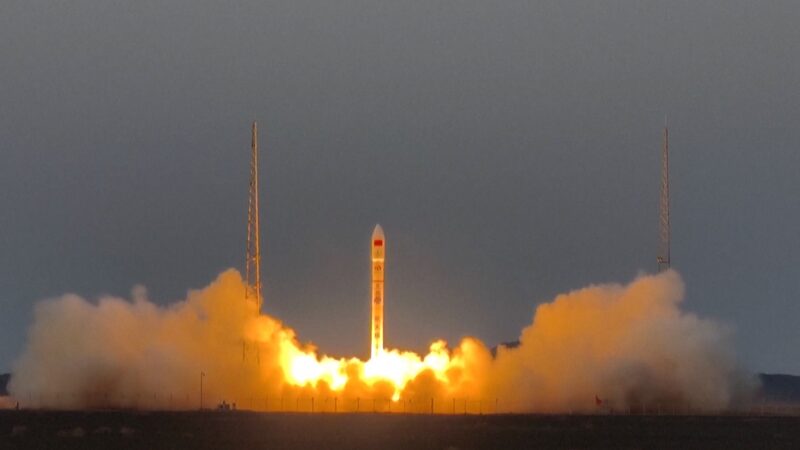
The technology arrives as China deploys its Fengyun-4 03 satellite, completing a three-satellite network that enables coordinated weather monitoring across Asia. This constellation enhances data transmission speeds and spatial coverage, particularly crucial for monitoring typhoon-prone coastal regions and flood-vulnerable inland areas.
Meteorologists predict the system will transform emergency response capabilities ahead of extreme weather events that caused $32 billion in regional economic losses last year. The development aligns with broader efforts to integrate AI into public safety infrastructure, offering potential applications for aviation safety, agricultural planning, and urban flood management.