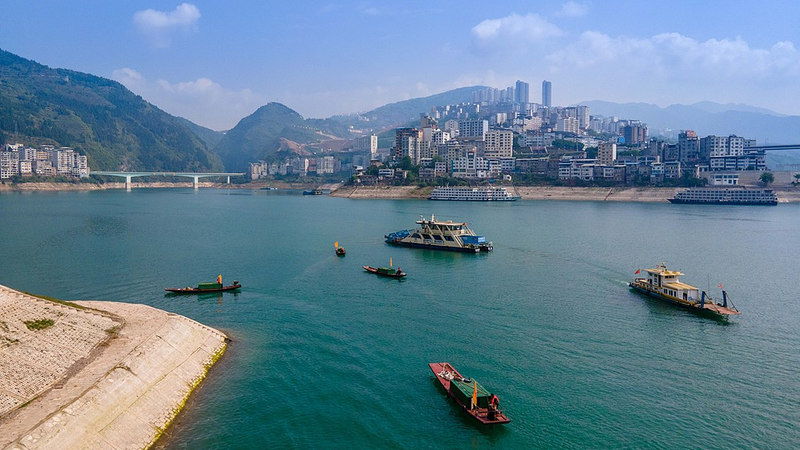
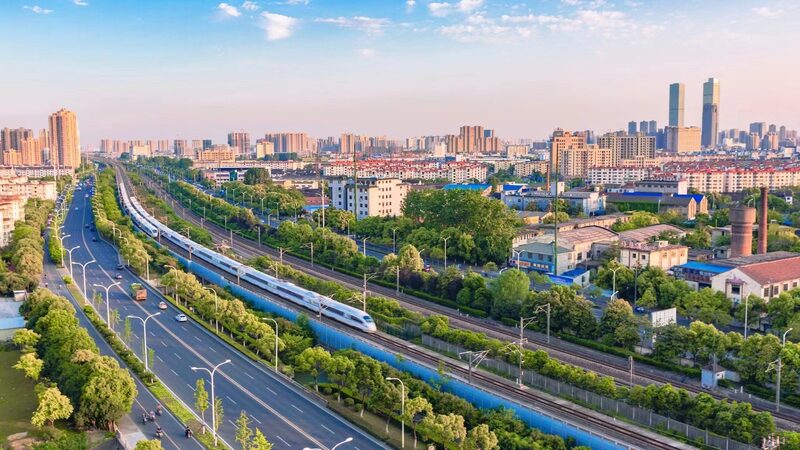
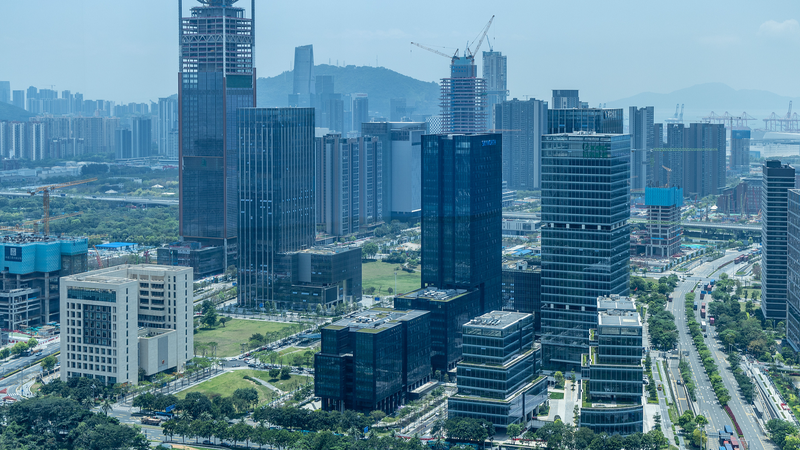
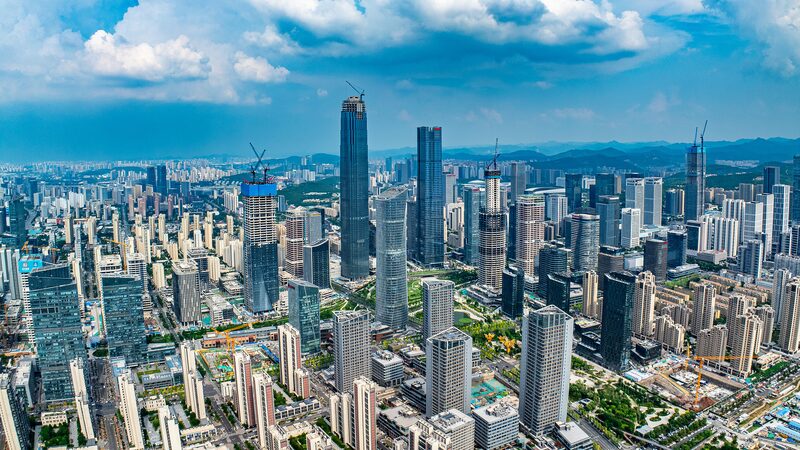
As China launches its 15th Five-Year Plan (2026-2030), the Yangtze River Economic Belt emerges as a cornerstone of national development strategies. This vital corridor – spanning 11 provinces and contributing 46% of the country's GDP – enters 2026 with renewed momentum on its tenth anniversary as a coordinated development initiative.
A Decade of Transformation
Today marks ten years since President Xi Jinping first convened a landmark symposium on the belt's development, initiating a shift from quantity-focused growth to quality-driven innovation. Over the past decade, the region has reduced industrial water pollution by 62% while doubling high-tech industry output, according to National Development and Reform Commission data.
Dual Objectives for a New Era
The updated strategy emphasizes three key pillars for 2026-2030:
Accelerating green manufacturing clusters in sectors like renewable energy and electric vehicles
Expanding the digital economy through AI-powered logistics systems
"This plan transforms the Yangtze from an economic artery to an innovation ecosystem," noted Dr. Li Wei, an economist at Fudan University. "By 2030, we expect 40% of China's carbon reduction technologies to originate here."
Global Implications
International investors are watching closely as the belt's 480 million consumers drive demand for sustainable infrastructure. Recent agreements with ASEAN partners aim to establish green supply chain standards that could reshape regional trade patterns.
With $280 billion allocated for smart transportation networks and clean energy projects, the Yangtze River Economic Belt's evolution continues to reflect China's balancing act between economic ambition and environmental responsibility.